

The journey from first steps to confident walking represents one of the most significant developmental milestones in a child’s early years. This transition period, filled with wobbles, tumbles, and triumphant first steps, presents unique challenges for both toddlers and their caregivers. Among the many considerations during this crucial developmental stage, appropriate footwear often emerges as a critical factor in supporting safe mobility. Grip socks—specialized socks featuring non-slip patterns on their soles—have gained increasing popularity as an effective solution for enhancing stability while supporting natural foot development. This comprehensive guide explores how these seemingly simple garments can significantly impact your toddler’s safety, confidence, and developmental progress during the early walking stages.
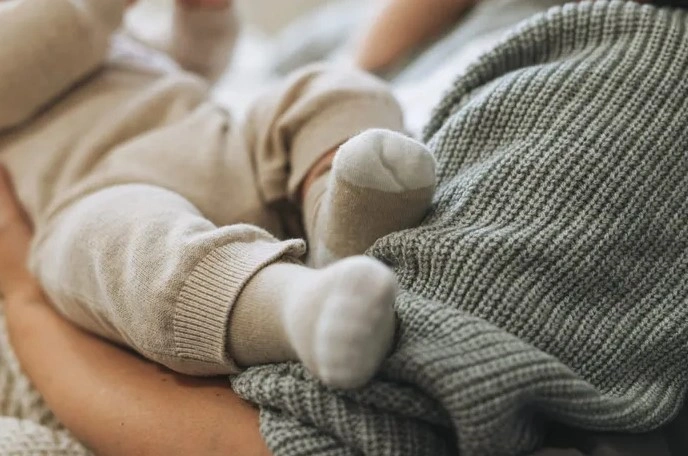
Toddler Walking 101: What’s Going On in Their Bodies?
Most children take their first independent steps between 9 and 15 months and become more stable walkers around 18 months. This window is about much more than “learning to walk.”
During this stage:
- The brain is building new connections for balance and coordination
- Muscles and joints are adapting to upright movement
- Toddlers use a wide stance, short steps, and raised arms to stay stable
Falling is a normal part of this process. Each tumble provides feedback that helps refine balance and gait. The goal isn’t to eliminate all falls—that would be impossible—but to avoid unnecessary, preventable slips caused by the environment, such as very smooth socks on very smooth floors.
Grip socks aim to keep the challenge level healthy, not overwhelming.
The Hidden Dangers of Slippery Surfaces for New Walkers
Home feels safe, but for new walkers, it can be surprisingly hazardous.
Common risk factors:
- Smooth floors: hardwood, laminate, tile, vinyl
- Ordinary socks with smooth knit bottoms
- Corners, doorways, and transitions between surfaces
Traditional socks act almost like “mini ice skates” on these surfaces. When toddlers push off, turn quickly, or lose focus for a second, their feet can shoot out from under them. Beyond bruises and bumps, frequent slipping can:
- Make toddlers more hesitant to walk
- Reduce independent exploration time
- Delay practice is essential for strong walking skills
Grip socks are designed to change the friction equation—without locking the foot in place or feeling like a shoe.
How Grip Socks Work: The Science Behind the Sticky Dots
The main difference between regular socks and toddler grip socks is in the sole.
Grip Elements
Most grip socks are made of silicone, PVC, or Rubber
These are applied as raised dots, lines, or patterns on the bottom of the sock. They:
- Increase friction against smooth surfaces
- Create more contact points with the floor
- Help the foot resist sliding when toddlers push off or stop suddenly
Pattern and Placement
Good designs focus grippers where toddlers need them most:
- Heel
- Ball of the foot
- Sometimes the toe area
Some socks cover the entire sole; others target high-pressure zones while leaving the arch more flexible. The goal is stability plus natural movement, not stiff “armor” under the foot.
Sock Construction
The upper part of the sock still matters:
- Elasticity should hold the sock in place without cutting into the skin
- Fabric should balance comfort, breathability, and durability
- The fit should keep the foot centered over the grip pattern
Together, these details turn a simple sock into a child-friendly safety tool.
Beyond Safety: Confidence Building Through Secure Footing
The benefits of grip socks are not only physical—they are psychological.
When toddlers feel secure underfoot, they are more willing to:
- Take independent steps away from caregivers
- Explore further across the room
- Try new challenges like climbing onto low furniture or navigating small obstacles
Fewer “unnecessary” slips means:
- Less frustration
- Fewer startling falls on slick surfaces
- More positive experiences with movement and exploration
This balance of safety and challenge helps nurture a healthy attitude toward physical activity and risk-taking later in childhood.
Indoor vs. Outdoor Applications: When and Where to Use Grip Socks
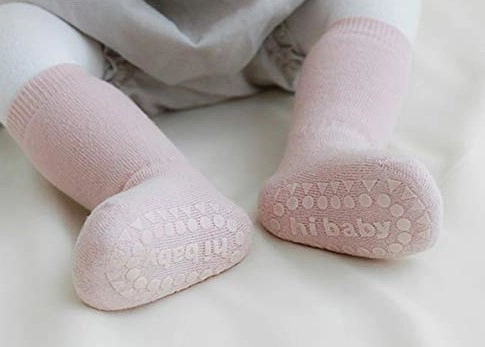
Toddler grip socks are engineered for indoor, smooth, clean surfaces, where they reduce slip risk without restricting natural movement. Typical appropriate settings include:
- Hardwood, laminate, tile, or vinyl floors
- Indoor play areas and hallways
- Covered porches or decks with finished, even surfaces
They are not a substitute for outdoor shoes. Grip socks lack:
- Protection against gravel, rough concrete, splinters or sharp debris
- Insulation and weather resistance for rain, puddles, snow or hot pavement
- Structural support for longer outdoor walks or uneven ground
A simple rule: if you would consider letting your child go barefoot on that surface but worry about slipping or cold, grip socks are appropriate. If the surface might injure bare feet or expose them to harsh weather, proper footwear is required instead.
Material Matters: Choosing Breathable, Skin-Friendly Fabrics
The best toddler grip socks use a blend, not a single fiber.
- Cotton blends: soft, breathable, familiar; a bit of polyester/nylon improves shape retention and durability.
- Organic cotton: similar feel with fewer chemical residues; useful for sensitive skin.
- Bamboo-based yarns: very smooth, naturally odor-resistant, good temperature regulation.
- Performance synthetics: superior moisture management and fast drying in very active children.
Whatever the base, check the elastic content. The fabric should stretch easily and rebound cleanly without feeling stiff or leaving marks. Good material quietly disappears on the foot while keeping the grip area aligned.
Finding the Perfect Fit: Sizing Guidelines for Growing Feet
Grip only works if the sock stays where it should.
How to get the right fit
- Measure foot length standing; compare with the brand’s size chart.
- Fit test: heel cup sits on the heel, not climbing the calf; no excess fabric at the toes; grippers centered under the sole.
Signs it’s wrong
- Hard to pull on or off.
- Deep, lasting indentations at the cuff.
- Socks twisting, rotating, or sliding off during normal play.
Because toddlers grow quickly, re-check size every few months instead of once per season.
Grip Patterns and Their Impact on Stability and Movement
Grip layout determines how socks behave when toddlers move in real life.
Full-sole coverage
- Grippers across almost the entire bottom.
- Best for new or unsteady walkers with inconsistent foot placement.
Targeted zones
- Focus on the heel and forefoot, sometimes toes.
- Suits more confident walkers who benefit from a bit of controlled slide between key contact points.
Evaluate by watching your child: if the foot lands in many different ways, fuller coverage helps; if gait is already organized, zoned grip often feels more natural and flexible.
Caring for Grip Socks: Maintaining Effectiveness Through Washing
Care has a direct impact on how long the grip stays useful. At that point, they function like ordinary socks and no longer provide reliable stability.
Washing
- Turn socks inside out.
- Use cold or lukewarm water, a gentle cycle, and mild detergent.
- Avoid bleach and fabric softener; residues soften fibers and reduce friction at the sole.
Drying
- Prefer air-drying on a rack.
- If using a dryer, select low heat and remove promptly. High temperatures accelerate elastic fatigue and can crack some grip compounds.
Replace when
- Grippers are visibly flattened, missing, or peeling.
- Fabric thins at the heel or toes.
- Socks no longer stay in position despite correct sizing.
Seasonal Considerations: Options for Summer and Winter Use
Grip socks don’t need a separate “summer” and “winter” philosophy; they just need to match the environment.
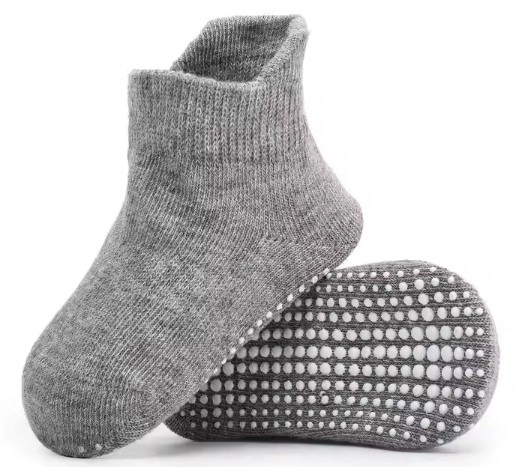
- In warmer conditions, lighter fabrics and lower profiles prevent overheating while still adding friction where floors are slick.
- In cooler conditions, thicker constructions or longer shafts add warmth on cold indoor surfaces without changing grip behavior.
Instead of thinking by month, think by floor temperature and activity level: cooler, slower days justify warmer socks; highly active play in a warm house calls for thinner, faster-drying options.
Integrating Grip Socks into Your Toddler’s Footwear Rotation
Infant Grip socks work best as one element in a broader strategy, not as the only thing a toddler ever wears.
A balanced routine typically includes:
- Barefoot time on safe, non-slippery surfaces to build strength and sensory feedback.
- Grip socks on smooth indoor floors where falls are more likely and warmth or hygiene are desirable.
- Proper shoes are required outdoors and in environments that demand protection from impact, weather, or rough ground.
Used this way, grip socks reduce avoidable accidents without interfering with natural development. They make indoor exploration more forgiving, so each fall teaches balance rather than punishing small mistakes.
Conclusion
Toddler grip socks solve a very specific problem: slick indoor floors during the unsteady learning-to-walk stage. By adding targeted traction without blocking natural movement or foot sensation, they reduce avoidable slips and create safer conditions for daily practice and exploration.
Used alongside barefoot time on safe surfaces and proper shoes outdoors, they become a precise tool in a balanced footwear routine. If you want to give little feet a safer start, choose well-fitted toddler grip socks from Max Hosiery or partner with Max Hosiery for custom toddler grip sock solutions tailored to your brand and customers.
FAQ Section
At what age should toddlers start wearing grip socks?
Grip socks become beneficial when children begin pulling to stand and cruising (typically 8-10 months). They’re most valuable during the early walking stage (9-18 months) when falls are frequent, but remain useful through the toddler years whenever children play on slippery indoor surfaces.
Can grip socks delay walking development by providing too much assistance?
No, quality grip socks provide appropriate stability without restricting natural movement. They prevent unnecessary falls from slippery surfaces while still allowing the essential sensory feedback and movement patterns necessary for proper development.
How many pairs of grip socks does a typical toddler need?
Most families find 4-6 pairs sufficient for regular rotation. This allows fresh socks daily with some backup for laundry cycles. Consider having options in different weights if your home experiences significant seasonal temperature variations.
Are more expensive grip socks worth the additional cost?
Higher-quality grip socks typically offer better grip durability, more comfortable materials, and longer-lasting elasticity. For daily users, premium options often provide better value over time as they maintain effectiveness through more wash cycles before requiring replacement.
Can grip socks replace shoes for outdoor use?
No, grip socks are designed primarily for indoor use on clean, smooth surfaces. They lack the protection, durability, and weather resistance necessary for outdoor environments. Always use proper shoes for outdoor activities and reserve grip socks for indoor use.