
Custom & Private Label Compression Socks Manufacturer
As a compression socks manufacturer and OEM supplier, we develop private label compression socks for sports, travel, recovery, maternity, workwear and medical brands—from 500 pairs per color and size. Our OEM service covers compression levels, sizing, yarn and material options, knitted logos, pressure verification and retail packaging.
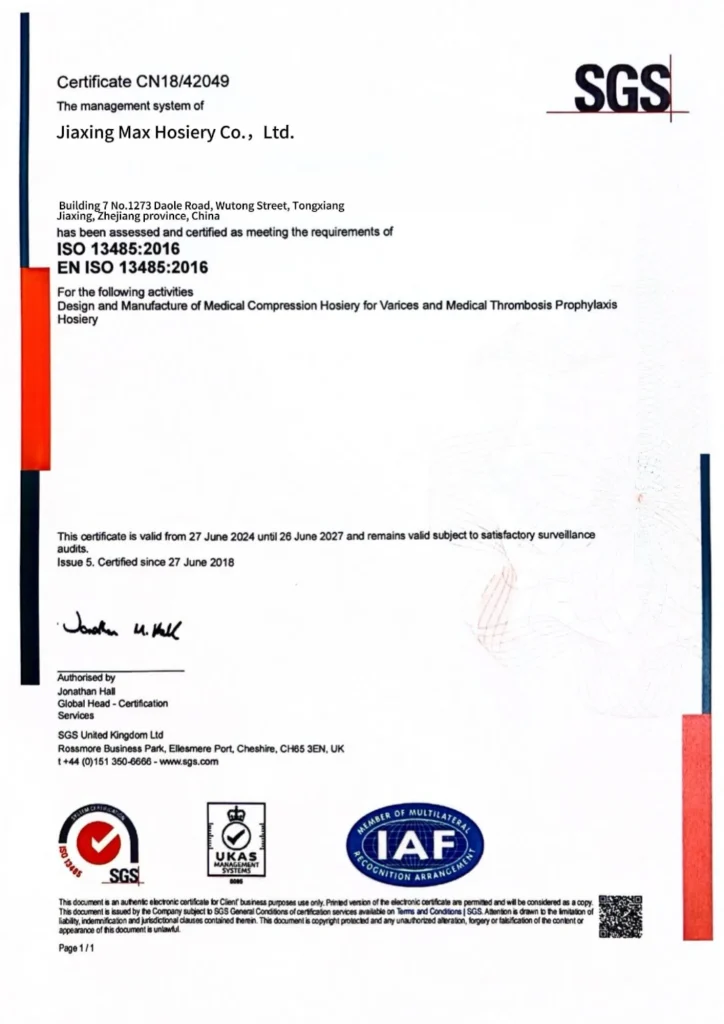
ISO 13485:2016 · ISO 9001:2015 · FDA establishment registration & device listing · OEKO-TEX® Standard 100 yarns · BSCI audited — view certificates & test reports →
MOQ per Color & Size
mmHg Options
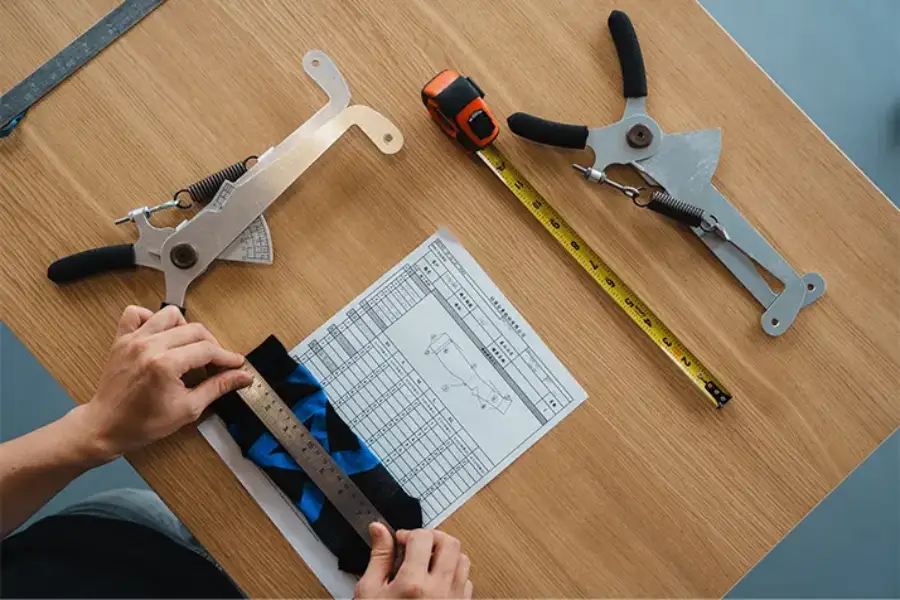
Swisslastic Pressure Tester
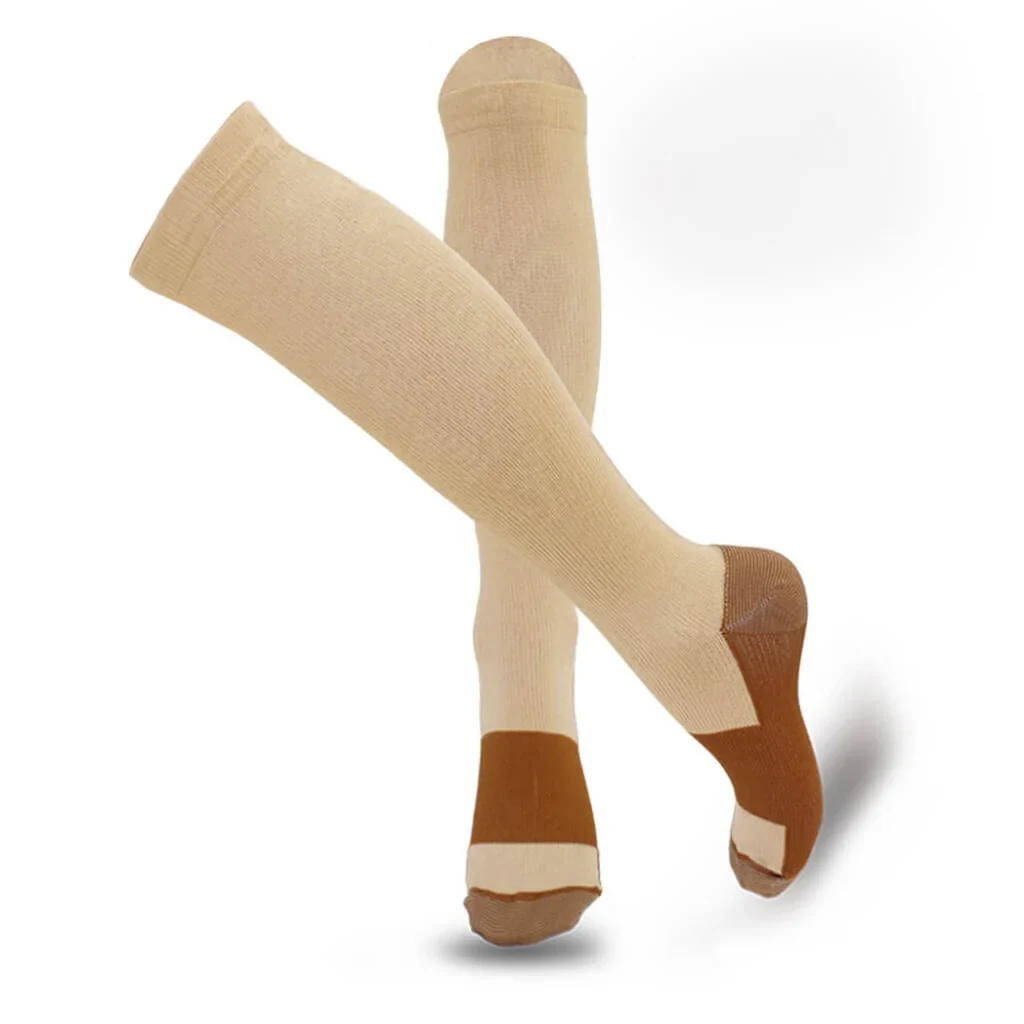
Compression Sock Types We Manufacture
These are the compression sock types we develop for private label and OEM programs. Open a card to see construction options, compression levels and MOQ for each style.
- Calves up to 71cm / 28″
- 15–20 / 20–30 / 30–40 mmHg
- Pressure-verified per size
- Toe-free design for open footwear
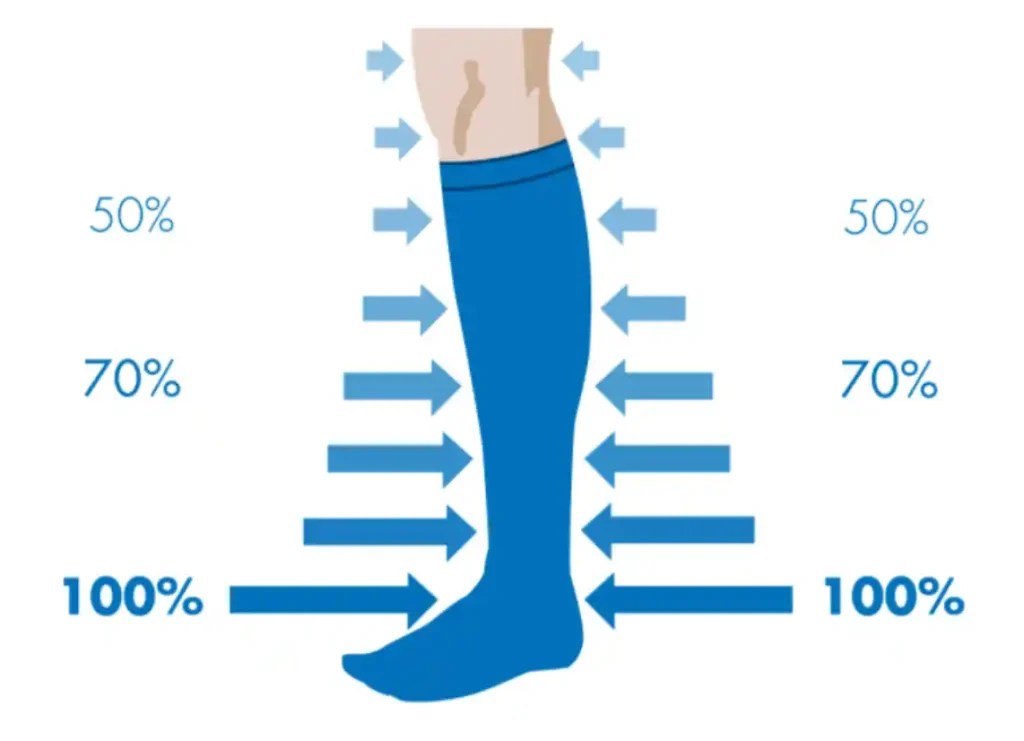
- Graduated compression to your spec
- Custom colors, logo and packaging
- Side zipper for easier on and off
- Medical and everyday versions
- Graduated compression to your spec
- Silicone grip sole for indoor use
- For hospital, recovery and home programs
- Graduated compression to your spec
- Lightweight & breathable mesh zones
- Arch support band & cushioned zones
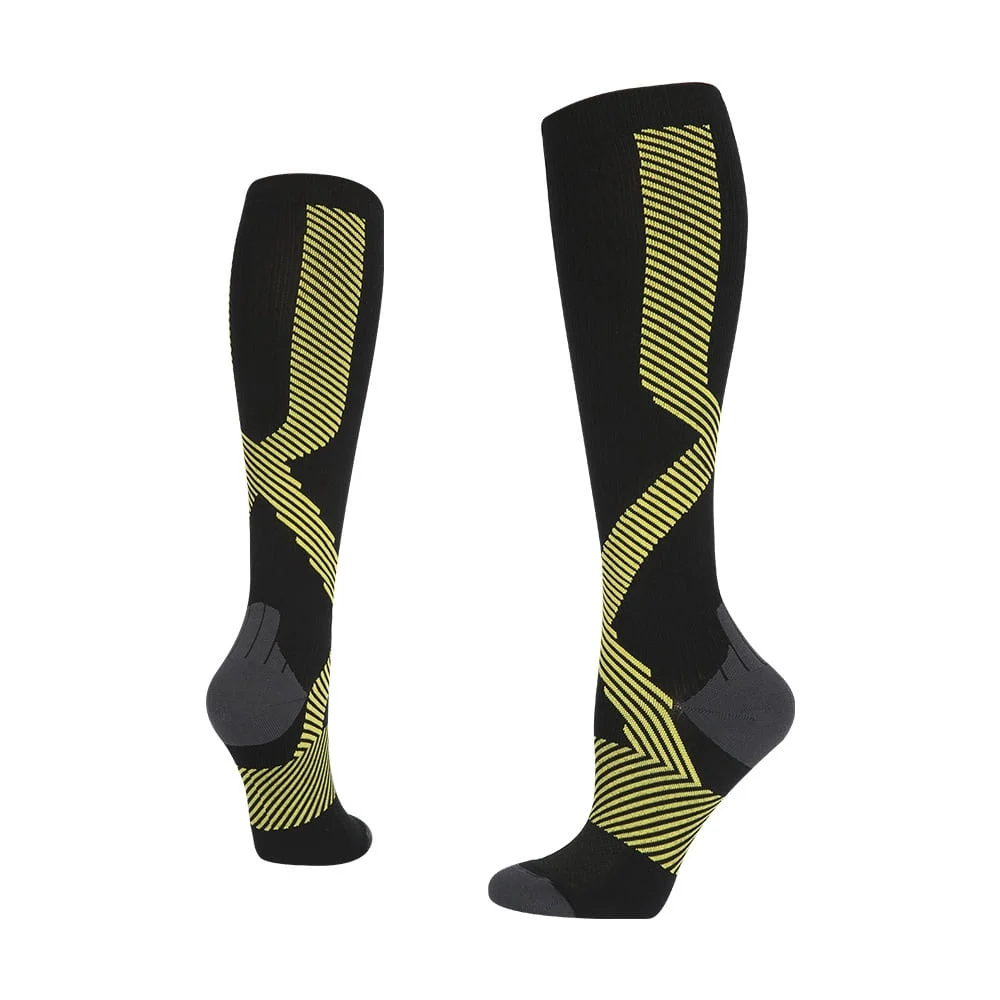
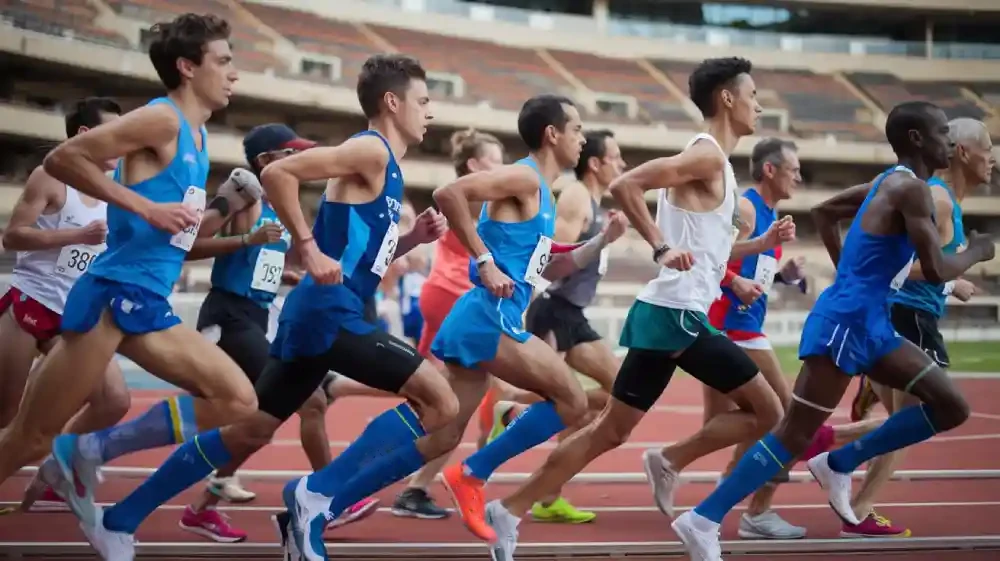
- Ideal for marathon, trail & daily running
- Knit-in jacquard or full-color printing
- Custom colorways and patterns
- 15–20 mmHg everyday compression
- Copper-ion yarn for antibacterial performance
- Antibacterial test report available on request
- Graduated compression to your spec
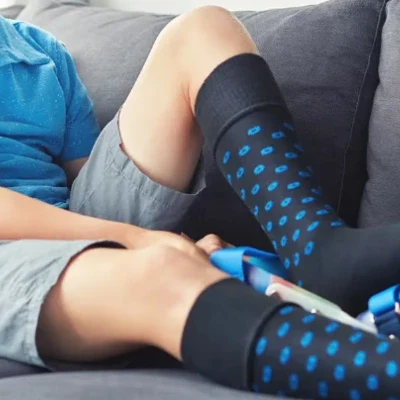
- Knee-length compression in kids' sizes
- Soft, breathable yarns
- Custom colors and patterns
Also available: Magnetic Compression Socks
Related category: Need medical-grade compression — 20–30 / 30–40 mmHg, thigh-high, pantyhose or anti-embolism styles? Explore Medical Compression Stockings →
Compression Sock Programs by Market
We build compression lines for brands in these markets — each program page covers typical specs, materials and packaging.
- Running, cycling and recovery lines, typically 15–20 / 20–30 mmHg
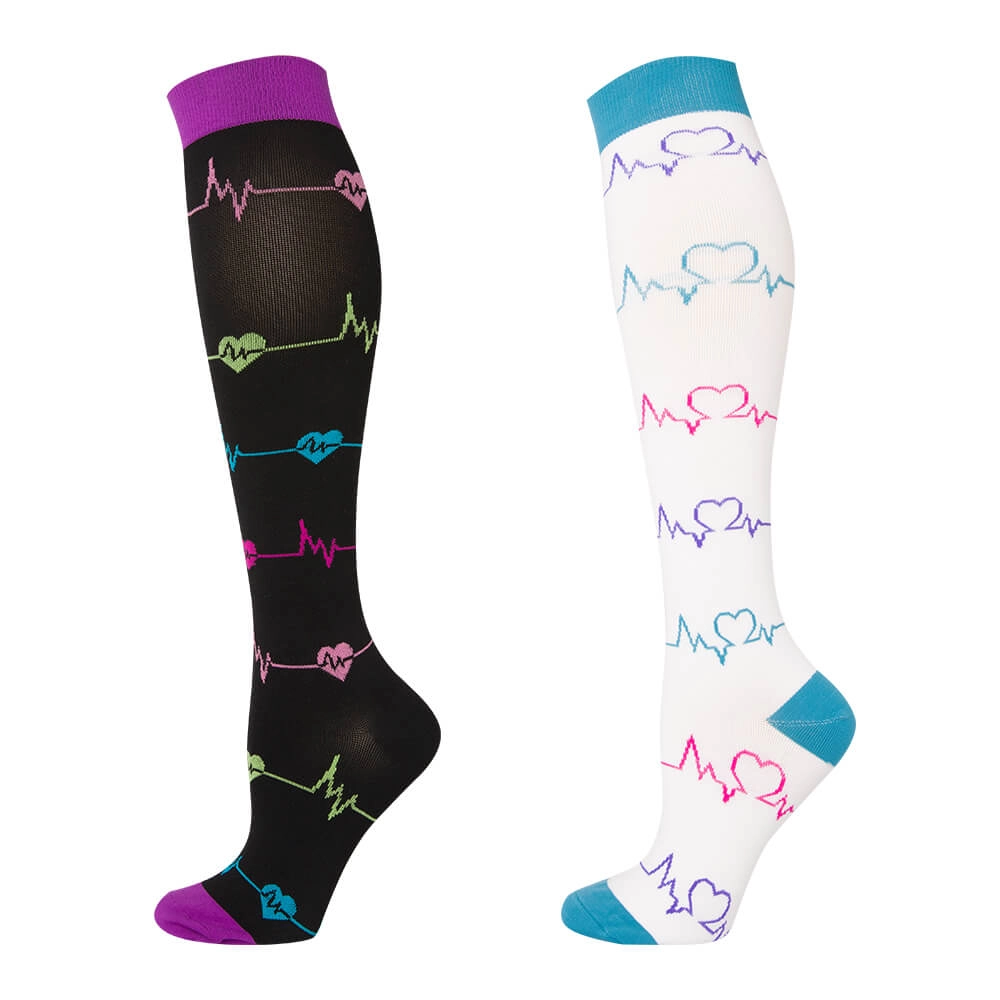
- Shift-wear lines for nurses and clinical teams
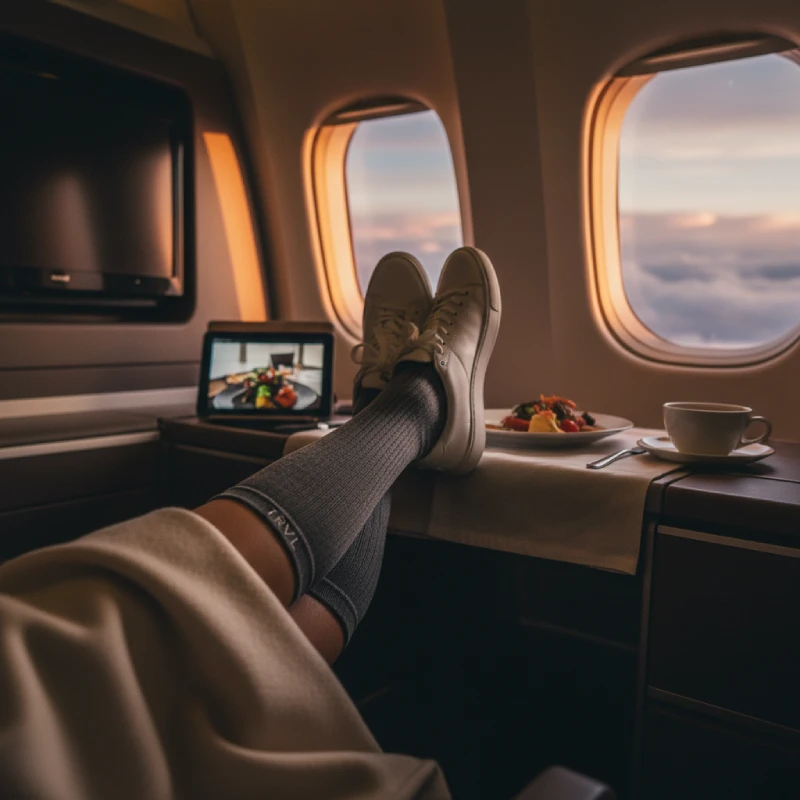
- Lightweight graduated socks for long-haul travel ranges
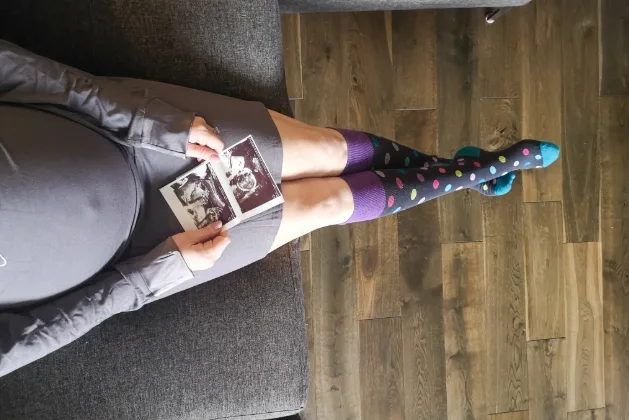
- Soft, stretchy compression for pregnancy and postpartum ranges
Everyday wear and standing jobs: see the compression levels below. For medical conditions, see Medical Compression Stockings.
More Compression Products from Our Factory
Explore adjacent OEM product lines developed for targeted calf and foot support.
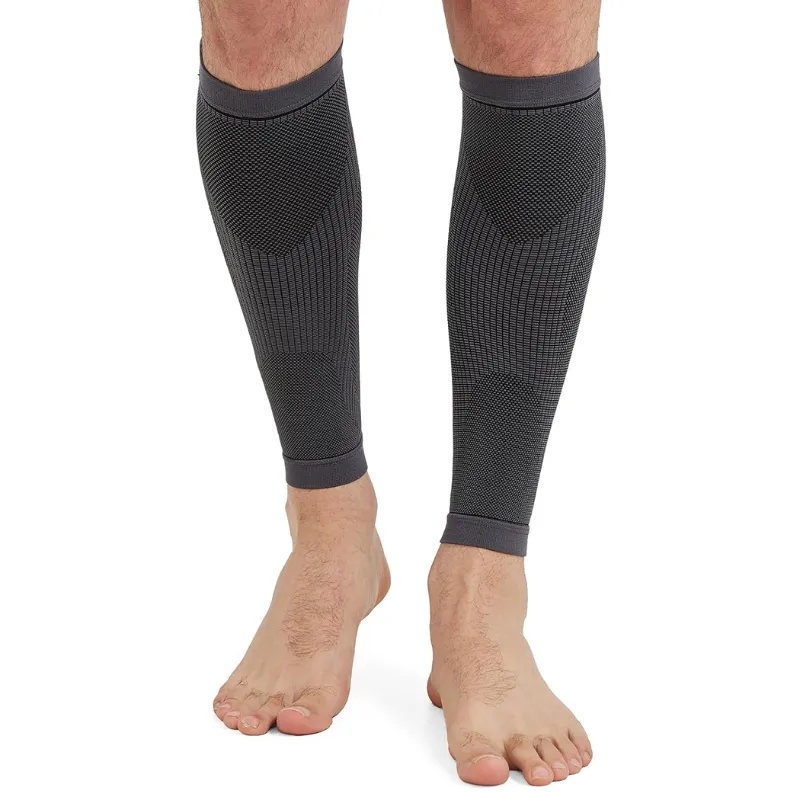
Calf Compression Sleeves
Seamless compression sleeves for sports, training and recovery.
View Calf Compression Sleeves →
Plantar Fasciitis Socks
Ankle compression socks with targeted arch-support zones.
View Plantar Fasciitis Socks →Compression Sock Construction and Branding Options
Develop each compression sock program around the required fit, wear environment, brand identity and target cost.
Construction & Support Features
Open-Toe or Closed-Toe Construction
Choose the toe construction according to footwear compatibility, fit requirements and the intended sales channel. Standard lengths include knee-high, crew and ankle / no-show; thigh-high styles are in our medical range.
Arch Support and Targeted Cushioning
Add zoned knit support or cushioning around the arch, sole and other specified areas.
Reinforced Heel and Toe
Strengthen high-wear areas while maintaining the approved fit and compression specification.
Finishing, Branding & Materials
Non-Slip Sole Options
Add silicone grip patterns for selected work, recovery and indoor-use product programs.
Knitted Logos and Pattern Methods
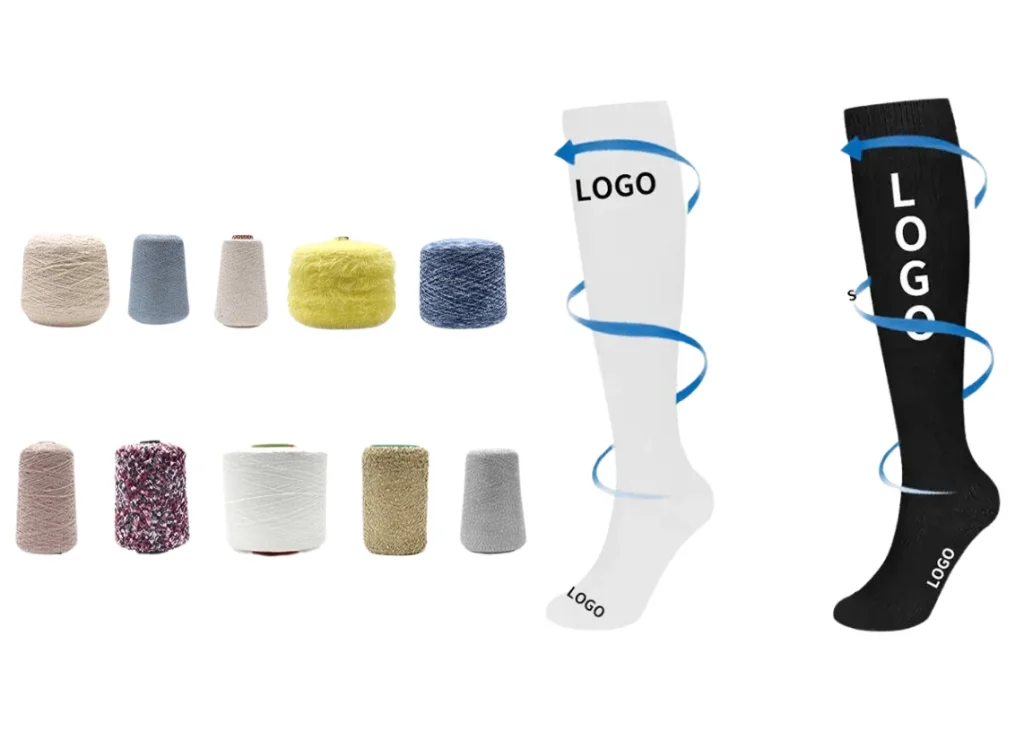
Integrate knitted logos, jacquard patterns, color blocking or full-color printing where the construction allows.
Custom Yarn and Material Blends
Develop yarn blends around softness, breathability, stretch recovery, durability and target cost.
What You Can Customize in Private Label Compression Socks
Build private label compression socks around your target market, compression level, sizing, materials, logo, functional features and packaging requirements.
Size Development for Your Target Market
01 Standard Size Range
Size Recommendations for Your Target Market
Size ranges vary by market because shoe-size systems differ. US programs typically separate women’s and men’s sizes, while European programs use EU sizes.
If you don’t have a size chart, share your target market and customers, and we’ll use our manufacturing experience to recommend the size range and coverage.
Not sure where to start? We can build a practical S–XL size chart that covers your target customers without creating unnecessary size options.
Wide-Calf & Plus-Size Programs
Develop extended-size compression socks with dedicated size ranges, adjusted leg construction, and wider cuff options.
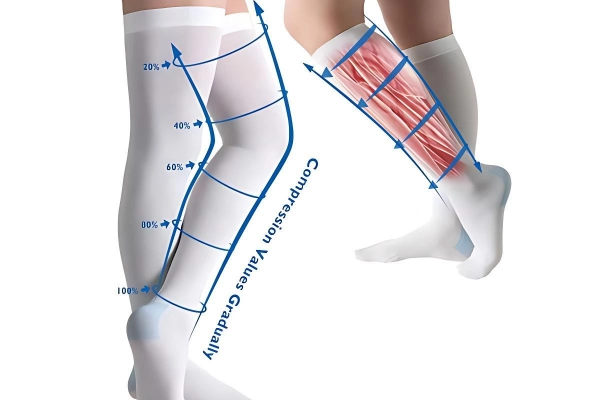
Compression Levels for Different Product Programs
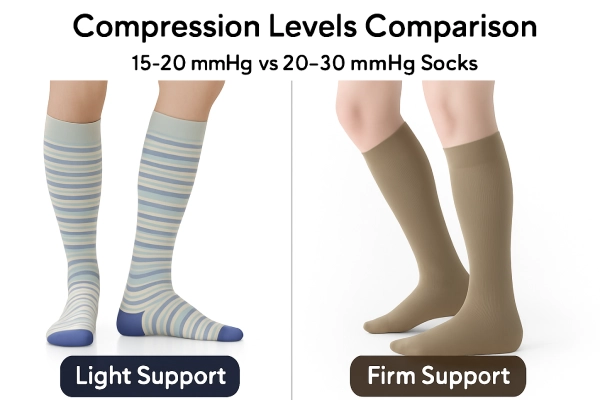
Office, travel, lifestyle and entry-level wellness programs.
Sports, workwear, maternity and daily-wear collections.
Firm-support programs requiring closer pressure and size control.
Higher-pressure projects requiring dedicated verification and documentation.
Explore Medical Compression Programs →
💡 Buyer Tip: 15–20 mmHg is a practical starting point for many lifestyle, travel, maternity, sports, and workwear programs. Final selection should still be based on the intended use, target market, and testing requirements.
Material Selection
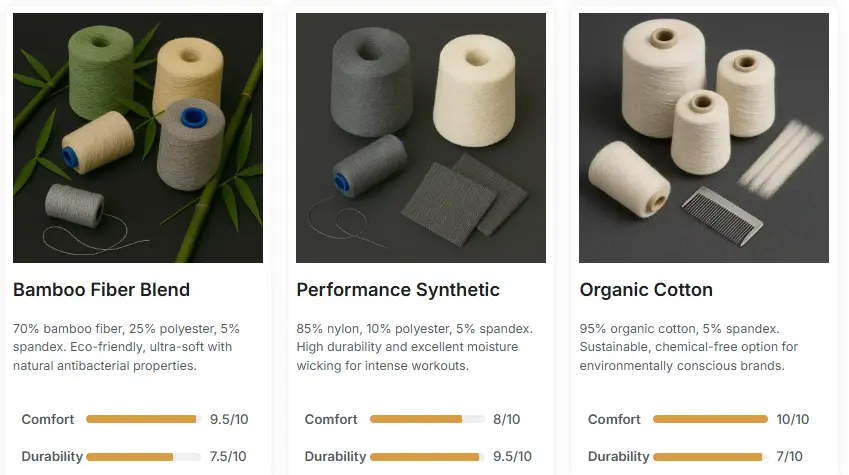
High elasticity, durability, and moisture-wicking performance. The go-to choice for sports brands and athletic compression lines.
Naturally soft and breathable. Popular with maternity lines and customers who prefer a softer hand feel.
Ultra-soft with good sweat absorption. Popular for daily-wear and recovery lines.
Natural temperature regulation and odor resistance. Perfect for outdoor brands and cold-environment workwear. Merino wool blends start at 2,000 pairs.
We support brands, distributors and retailers with two bulk purchasing options: custom OEM production and selected unlabeled stock. Choose the program that fits your product specifications, branding needs and order schedule.
Compare the minimum quantities, customization options and preparation times below.
Compression socks made to your product and brand specifications
- Custom compression specifications, yarn selection, sizing and construction
- Custom colors, knitted logos, private labels and retail packaging
- Custom sampling based on approved specifications, with eligible sample fees credited to the bulk order
Existing compression sock styles without full product customization
- Selected ready-made products for buyers who do not require fully custom manufacturing
- Available colors and sizes may be mixed within confirmed stock
- Product styles, quantities and inventory availability must be confirmed before ordering
Finalize the SKU breakdown, sizes, quantities, labeling, packaging artwork and shipping marks.
Confirm compression-pressure verification, supporting records and AQL 2.5 sampling where agreed.
Coordinate final inspection, packing details, shipment requirements and delivery arrangements.
Custom production timelines apply after the required approvals and production conditions are confirmed. Freight transit time is additional.
Share your target compression range, product type, size plan, colors, packaging requirements and estimated order quantity for a program review.
Packaging Designed Around Your Sales Channel
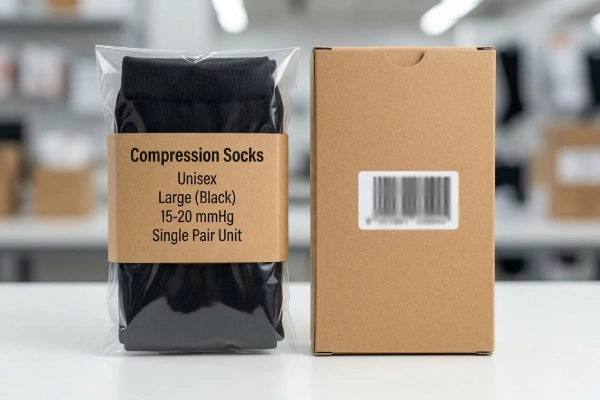
Private label packaging should match where the compression socks will be sold. Amazon listings, pharmacy shelves, specialty retailers and premium DTC collections require different packaging structures, labeling information and presentation.
We can deliver retail-ready private label compression socks with branded sleeves, boxes, poly bags, barcodes, size labels and care instructions.
E-Commerce & Amazon
Use compact packaging that protects the product without adding unnecessary fulfillment volume.
Recommended Formats
Compact poly bags, flat card sleeves, and lightweight individual boxes.
Label Information
- Product barcode
- Size and color
- Compression level
- Material composition
- Care instructions
Retail & Specialty Stores
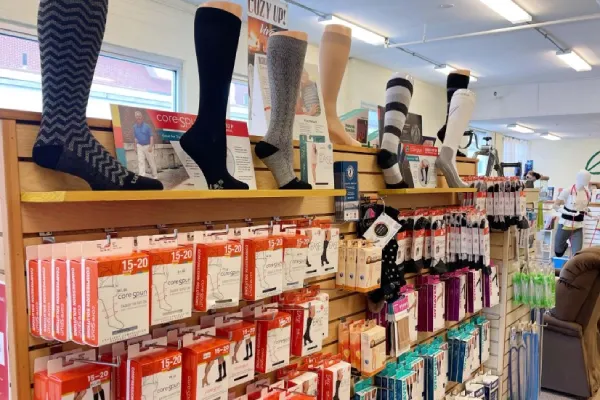
Use shelf-ready packaging that makes product specifications easy to identify and compare in store.
Recommended Formats
Printed card sleeves, boxes with hang holes, and other shelf-ready packaging structures.
Front or Side Panel
- Product size
- Compression range
- Intended use
- Product identification
Premium & Multi-Pair Programs
Use higher-presentation packaging for premium positioning, subscription programs, bundles, and gift collections.
Recommended Formats
Rigid boxes, branded gift packaging, and custom multi-pair packs.
Suitable Programs
- Premium retail collections
- Subscription programs
- Gift and bundle collections
Packaging Formats Available
Share your sales channel, package dimensions, and required label information. We’ll recommend a practical packaging structure before the artwork is finalized.
- Custom Poly Bags
- Printed Card Sleeves
- Belly Bands
- Hang Tags
- Individual Boxes
- Multi-Pair Packs
- Sustainable Formats
What Affects the Price of Custom Compression Socks?
Private label compression sock pricing is based on the complete product specification—not simply the addition of a logo. Even at the same order quantity, unit cost can change with the yarn, compression structure, size range, design method, functional features, packaging, and testing requirements.
We review the following eight factors before preparing a quotation.
Yarn & Material
Standard nylon or polyester blends are generally more economical. Bamboo, wicking polyester, merino wool, recycled yarns, and other specialty fibers may increase material cost but support stronger product differentiation.
Compression & Knitting
Higher compression levels, more complex graduated zones, denser knitting, and tighter tolerances may require additional development and pressure verification.
Size Range
Standard grading is usually the most efficient to produce. Wide-calf, plus-size, custom grading, and additional size combinations require more sampling and production setup.
Logo & Design Method
Simple knitted logos and limited-color patterns are generally easier to produce. Embroidery, complex jacquard, full-color printing, and all-over patterns require different processes.
Functional Features
Seamless toes, targeted cushioning, arch support, reinforced heels and toes, anti-slip grips, open-toe structures, zippers, and antibacterial copper-ion yarn all affect construction and production cost.
Packaging & Labeling
A basic poly bag costs less than a printed sleeve, retail box, rigid gift box, or multi-pair pack. Barcodes, inserts, labels, and market-specific artwork should also be confirmed.
Order Quantity
Larger production runs usually improve manufacturing efficiency and reduce unit cost. The MOQ can be used to validate a new product before scaling into larger repeat orders.
Testing & Documentation
Pressure testing, material testing, third-party reports, and additional compliance documentation may be included depending on the product specification and destination market.
For a More Accurate Quotation
Share your target compression level, material, size range, design method, functional features, packaging format, order quantity, and destination market.
Quality Assurance at Our Compression Sock Factory
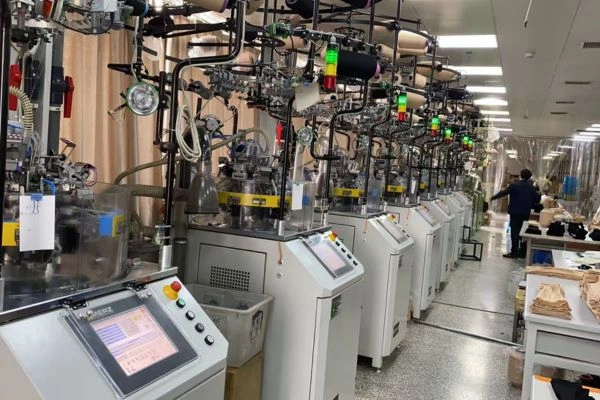
Compression is measured, not assumed. Our compression lines run on Merz and Lonati knitting machines with needle counts up to 452N, pressure is measured on a Swisslastic MST MK V tester, and bulk production is sampled for pressure before shipment. Pressure test reports can be supplied with your order.
Knitting & Testing Equipment
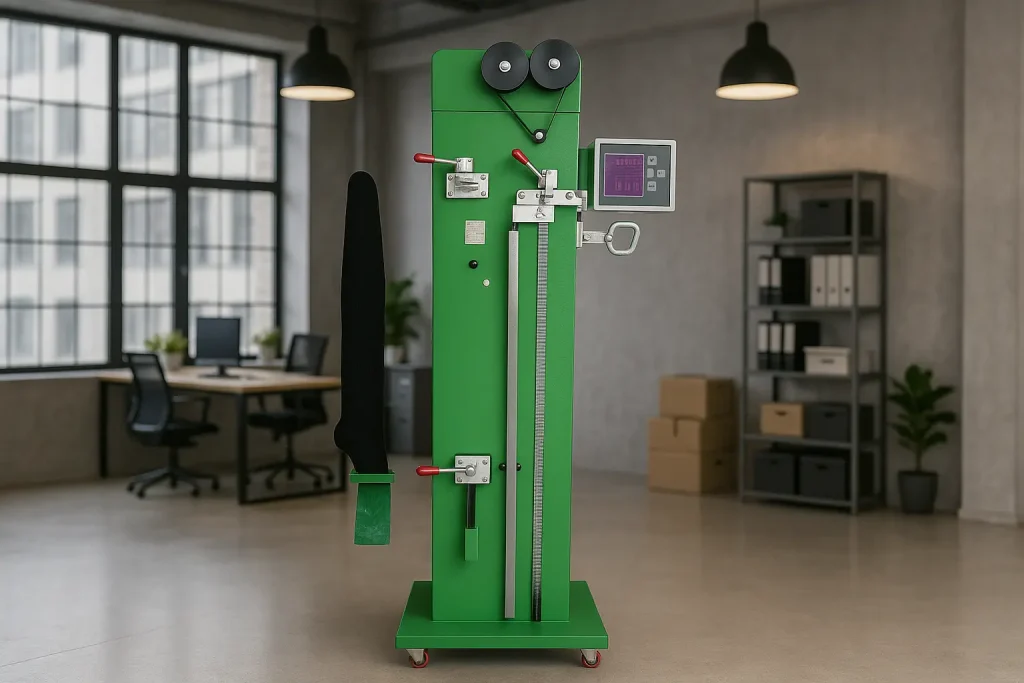
Equipment used on our compression lines. Pressure test reports are available with your order.
Merz & Lonati Knitting Machines
Swisslastic MST MK V Pressure Tester
Socks Stretching Testing Machine
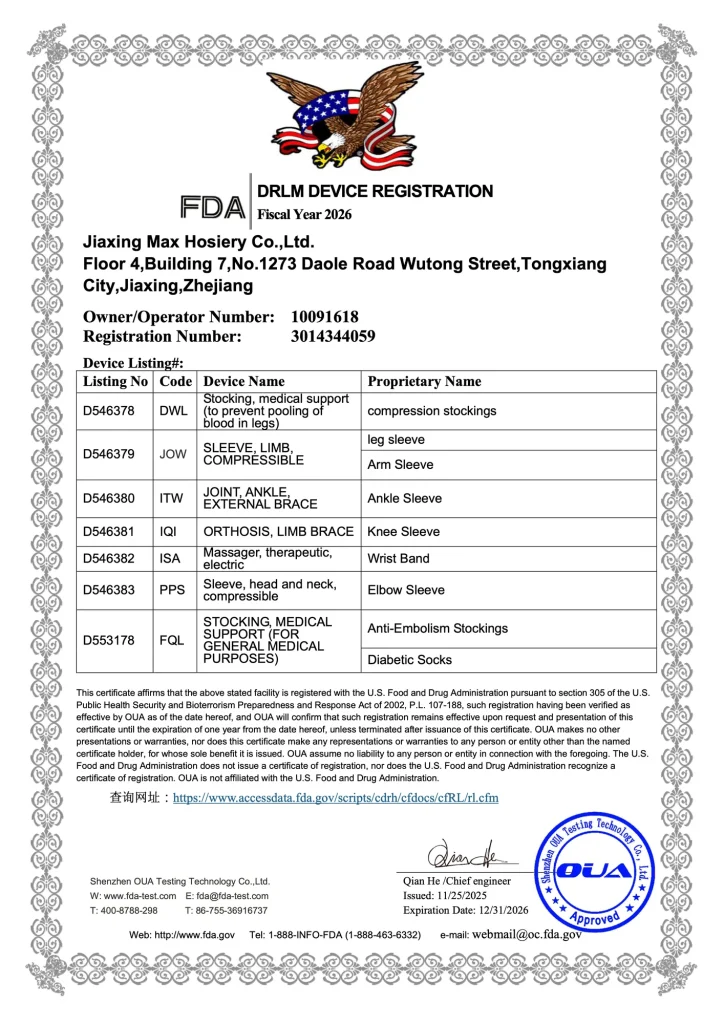
FDA Registration & Listing
ISO 13485:2016
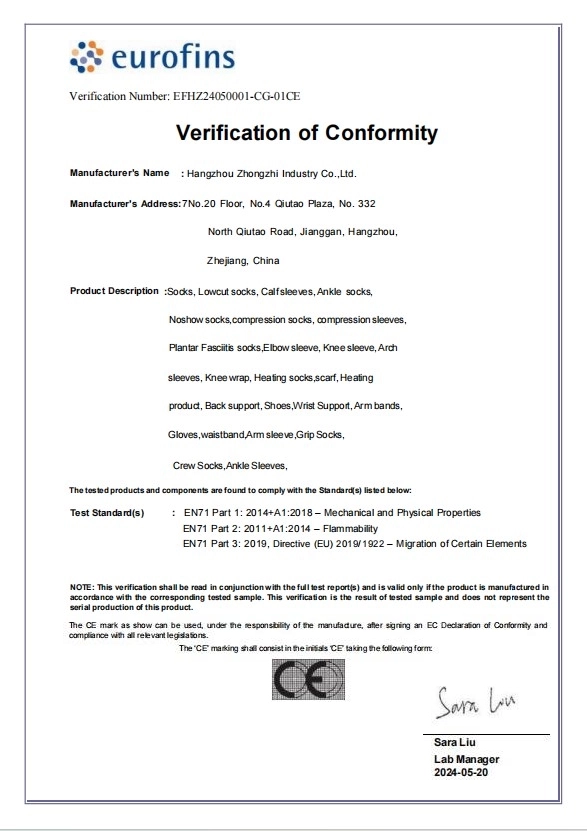
EN71 Verification of Conformity
Certificates & Test Reports
Our quality management systems are certified to ISO 13485:2016 and ISO 9001:2015, and our compression socks are covered by FDA establishment registration and device listing. Download certificates and test reports—composition, AZO, colorfastness and bursting strength—to share with your QA team.
Case Studies: Compression Sock Programs for Brands and Distributors
See how we turn brand requirements into market-ready compression socks—covering sampling, materials, compression level, labeling, packaging, and on-time bulk delivery.
| Project Type | Market | Product Spec | Volume | Certifications / Compliance | Key Challenge Solved |
|---|---|---|---|---|---|
| Maternity Brand | USA | 20-30 mmHg, bamboo blend, custom sole support | 100,000+ pairs/year | FDA registration & listing, ISO 13485:2016, OEKO-TEX® Standard 100 yarns | Soft-touch feel for sensitive skin + pressure test documentation |
| Amazon Top Seller | UK | 15-20 mmHg sports, reinforced arch, differentiated knit design | 30,000+ pairs, repeat orders | OEKO-TEX® Standard 100 yarns, FDA registration & listing | Product differentiation against low-cost copycats |
| Sports Brand | Australia | 20-30 mmHg recovery, moisture-wicking construction | 15,000 pairs/year | OEKO-TEX® Standard 100 yarns | Post-workout recovery positioning |
| Nurse Workwear Brand | USA | 15-20 mmHg, fashion patterns | 5,000 pairs/run | OEKO-TEX® Standard 100 yarns | Pattern accuracy on knit |
Private Label & Custom Compression Socks FAQ
What customization options are available for compression socks?
We customize colors, knitted patterns, logos, sizes, yarn and material options, compression levels and packaging. Extended sizes up to 6XL and wide-calf ranges are available—see our wide-calf and plus-size compression socks.
What compression levels are available for your custom socks?
We develop 8–15, 15–20, 20–30 and 30–40 mmHg programs and can build to a custom pressure specification. Pressure testing on our Swisslastic MST MK V tester is free, and test reports are available with your order.
Can you help develop or replicate a compression sock size range?
Yes. Share your target market and customer profile, and we can recommend a suitable size range based on our experience. You can also provide an existing size chart, measurements, or reference sample for us to follow or replicate.
What is the difference between private label and OEM compression socks?
Private label projects start with proven compression sock construction customized with branding, colors and packaging. OEM projects follow detailed buyer specifications, including custom compression profiles, sizing, materials & functional structures.
Can I specify custom materials and blends for my compression socks?
Yes. We can produce with different materials (cotton, nylon, spandex, bamboo, polyester, merino wool, etc.) with several unique materials.
How do you control quality on bulk orders?
Quality is controlled through inline checks during knitting and a pre-shipment inspection at AQL 2.5. For compression programs, bulk production is sampled for pressure on our Swisslastic MST MK V tester, and the report can be supplied with your order.
What is the typical lead time for custom compression socks?
Free stock samples (up to 3 styles) ship in 3–5 days. Custom sample timing depends on your specification. Bulk production takes 25–30 days after sample approval. We ship by express, air or sea freight, with DDP delivery available; transit time is confirmed with your quotation.
What is the MOQ for custom compression socks?
Most custom compression socks start at 500 pairs per color, per size. Open-toe and toeless styles also start at 500 pairs, styles with a silicone grip sole at 1,000 pairs, and merino wool blends at 2,000 pairs. Unlabeled stock styles can be ordered from 500 pairs with mixed colors and sizes, depending on current availability.
Which certificates and documents can you provide?
ISO 13485:2016 and ISO 9001:2015 certificates, FDA establishment registration and device listing, an OEKO-TEX® Standard 100 yarn certificate, a BSCI audit and an EN71-1/-2/-3 verification of conformity, plus test reports for composition, AZO, colorfastness and bursting strength. Pressure test reports are supplied with compression orders. View all certificates →
Do you supply wholesale compression socks?
Yes. We supply wholesale compression socks through custom production and selected unlabeled stock. The standard MOQ for custom compression socks is 500 pairs per design, in one color and one size. Selected unlabeled stock is available from 500 pairs and may allow mixed colors and sizes, subject to current availability. Custom specifications, sampling, packaging, production timing and inspection requirements are confirmed before the order is placed.
How to Order Custom Compression Socks in 5 Steps
At Hangzhou Zhongzhi, we combine professional quality with a personalized approach. Our private label compression sock development process takes your project from initial specification and branded sampling through bulk production, quality inspection and retail-ready packaging. Let’s create something great together!
Inquiry & Consultation
Share your project details, and our experts will reply within 24 hours with price and solutions.
Sample Development
We develop the custom sample to your specification and send approval photos; timing depends on the spec. Free stock samples ship in 3–5 days.
Sample & Order Confirmation
Confirmation Review your samples and request any refinements. Upon approval, we finalize your order details with a deposit to begin production.
Bulk Production
Production time varies by quantity; regular production time is 25–30 days.
Quality Inspection & Shipping
We ship after pre-shipment inspection at AQL 2.5. Choose express, air or sea freight, including DDP delivery; transit time is confirmed with your quotation and may extend for remote destinations, customs inspection or peak season.
Compression Sock Sourcing Guides
Explore expert tips, industry trends, and practical guides on custom sock manufacturing, materials, certifications, and sourcing strategies. Whether you’re launching a new line or optimizing supply chains, our articles support informed decisions and better results.
Follow a custom sock from yarn selection and knitting to boarding, linking, inspection and packing—so you know what to specify at each stage.
See how yarn, needle count, spandex grade, sock weight and toe linking change the unit cost of compression socks.
Plan compression levels by sales channel: what each mmHg range is commonly used for and what to verify before an OEM order.
Compare factories by product scope, pressure testing, sample controls, inspection, traceability, MOQ, lead time, packaging and documentation.
Compare 15–20 and 20–30 mmHg compression socks: what each level is commonly used for and how to choose between them for your line.
Measurement points for knee-high and thigh-high styles, and how to plan size charts for bulk orders.