

Introduction: The Unsung Hero of Cycling Performance
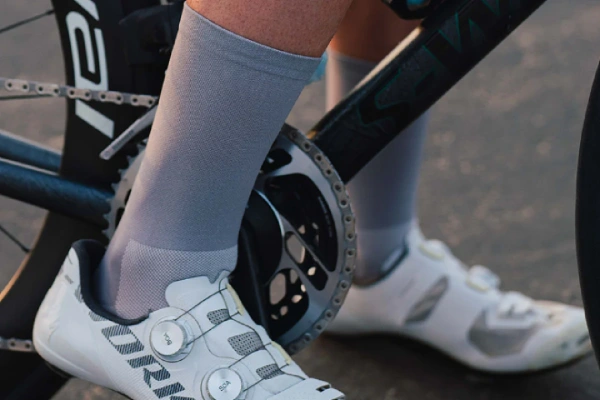
The bicycle, the helmet, the jersey—these are the obvious essentials. But tucked away inside your cycling shoes is arguably your most critical piece of performance gear: the cycling sock.
Often overlooked, this specialized piece of apparel is the frontline defense against blisters, discomfort, and the heat buildup that can prematurely end a long ride. A high-quality cycling sock is not merely a cotton tube; it’s an engineered barrier designed for the unique, repetitive stress of pedaling.
Why Specialized Socks?
- Targeted Fit: Designed to stay smooth and tight inside the confines of a cycling shoe.
- Superior Moisture Management: Employing technical fibers to actively wick sweat away from the foot.
- Performance Benefits: Including light compression and aerodynamic advantages.
This Ultimate Guide will explore every aspect of cycling socks, from the core functionality to advanced materials, specialized uses, and the latest market trends. Use this as your definitive roadmap to choosing the perfect pair for your next ride.
The Core Functionality: Why Cycling Socks Matter
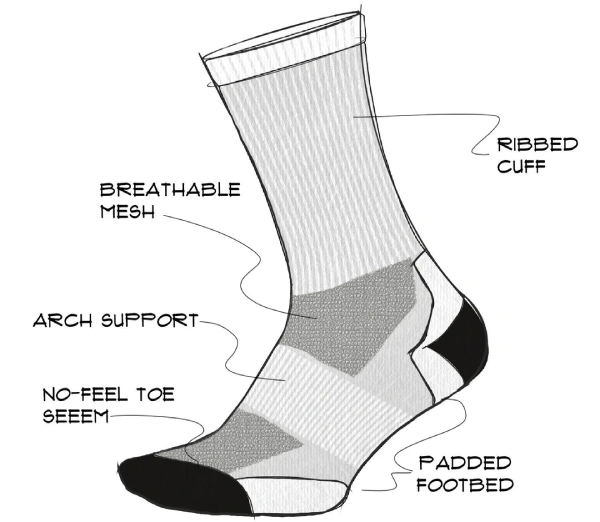
Cycling socks are engineered to solve specific problems encountered during long-distance riding, which makes them fundamentally different from casual or even running socks.
Breathe Easy: Moisture Wicking and Quick-Dry Technology
The primary enemy of a comfortable ride is sweat. When the foot remains damp, it softens the skin and increases friction, inevitably leading to blisters and hotspots.
Professional cycling socks address this with advanced technical fibers like CoolMax® polyester and specialized nylon blends. These materials are highly hydrophobic (water-repelling) and are woven into mesh ventilation panels—often placed on the top of the foot where heat collects—to maximize airflow and evaporation. This active management keeps your feet dry, cool in summer, and surprisingly, warm in winter (since dryness prevents the chill caused by dampness).
💡 Dive Deeper: Understanding how different fibers handle heat and moisture is key to seasonal riding. Read Our Full Guide on Cycling Sock Materials: Nylon, Polyester, and Merino Wool Blends
The Stability Factor: Anti-Slip and Arch Support
During hundreds or thousands of pedal strokes, any movement of the sock inside the shoe can cause severe discomfort.
Cycling socks feature a high-spandex/elastane content to provide a snug, second-skin fit. They often incorporate a ribbed band around the arch of the foot (known as the arch compression zone). This compression provides crucial support, prevents the sock from bunching up, and helps maintain a stable connection between your foot and the pedal.
Fighting Fatigue: Compression and Circulation
This light pressure is particularly beneficial for long-distance riders as it:
- Reduces muscle oscillation (vibration) in the calf.
- Aids blood flow back toward the heart, helping to minimize fatigue and swelling over extended periods.
💡 For Maximum Support: If reducing fatigue and promoting recovery are your top priorities, you need to know about the science of pressure. Read Our Complete Functional Guide: Compression, Anti-Slip, Quick-Dry, and Thermal Cycling Socks
Frictionless Comfort: Seamless Construction
A traditional seam across the toe box can rub and chafe, especially after hours of repetitive pedaling. High-quality cycling socks utilize seamless toe box technology (or hand-linked toes) to create a completely flat closure, offering superior protection against hot spots and blisters.
In addition, targeted cushioning zones (usually a light terry knit) are often added to the ball of the foot and the heel to absorb minor impact and enhance durability in high-wear areas.
Choosing Your Sock: Categorization by Conditions and Use
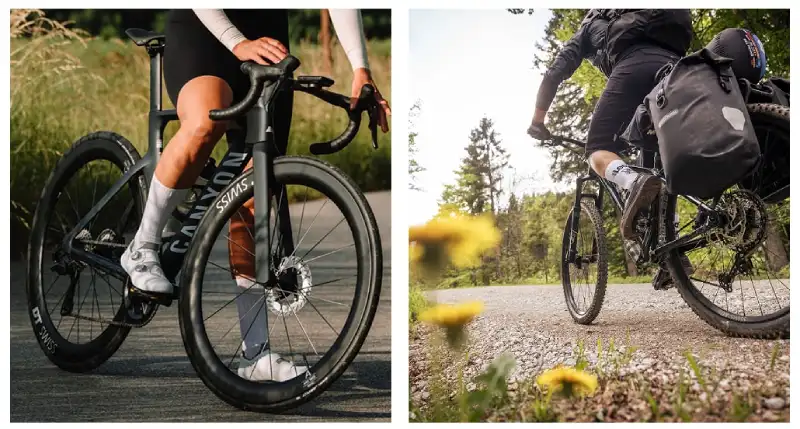
To find your perfect match, you need to categorize your riding needs by the environment, season, and discipline.
By Riding Discipline: Where Your Tires Roll
The demands of a mountain bike trail differ wildly from those of a road race, and your sock should reflect that.
- Road Cycling Socks: Often prioritize lightness, breathability, and a sleek, high cuff for aerodynamics and style.
- Mountain Biking (MTB) Socks: Need enhanced durability and a thicker knit to protect the foot and ankle from trail debris and abrasions.
- Triathlon Socks: Must be easy to put on, exceptionally quick-drying, and usually seamless for use without a shoe’s tongue.
- Urban Commuting Socks: Focus more on all-day comfort, subtle styling, and often utilize anti-odor treatments.
💡 Find Your Match: Ready to select the right sock for your favorite terrain?
Read Our Full Guide: Cycling Socks for Every Rider (Road, Mountain Biking, Urban Commuting, Triathlon)
By Season and Climate: The Temperature Factor
The same sock cannot comfortably manage a 40°C summer day and a 5°C winter morning.
- Summer/Warm Weather Socks: The focus is on maximum ventilation. These feature high mesh content, ultra-light nylon/polyester, and often a very thin knit (up to 200-needle density).
- Winter/Cold Weather Socks: The key material here is Merino Wool. Its natural loft, thermoregulation, and ability to insulate even when slightly damp make it superior for cold-weather comfort, while still maintaining a relatively low thickness to fit in cycling shoes.
- All-Season Socks: A versatile mid-weight blend, typically polyester-heavy, designed for temperate conditions, prioritizing sweat-wicking over extreme insulation.
By Material: The Fiber Foundation
The fiber composition determines the sock’s performance characteristics.
| Material Type | Pros | Cons | Best For |
|---|---|---|---|
| Nylon/Polyester Blends | Higher cost, slightly less durable than pure synthetic, and slower drying. | Prone to odor buildup without anti-microbial treatment. | Summer High-Intensity Training Volume Buying Fast-paced rides where breathability and quick moisture management matter most. |
| Merino Wool Blends | Naturally anti-odor, excellent thermoregulation (warm and cool), soft next-to-skin feel. | Higher cost, slightly less durable than pure synthetic, slower drying. | Winter Long-Distance Touring Sensitive Skin Cold or mixed conditions where comfort, warmth and odor control are a priority. |
Quality, Sustainability, and Market Trends

The global cycling sock market is mature, yet dynamic, driven by increasing consumer awareness of performance, ethics, and style.
The Importance of Quality Control
For B2B buyers and discerning consumers, quality is non-negotiable. Key quality checks ensure the sock lasts as long as your ambition:
- Durability and Abrasion Resistance: Repeated heel and toe movements require reinforced stitching and high-tenacity fibers (often nylon) to prevent premature hole formation. Manufacturers often conduct rigorous abrasion resistance and colorfastness tests to ensure the sock maintains its shape and color after months of hard use and washing.
- Elastic Recovery: The sock must snap back into shape. High-quality spandex/Lycra content ensures the cuff doesn’t slip down the ankle and the arch compression zones maintain their integrity.
- OEKO-TEX Certification: Many European and American markets demand the OEKO-TEX Standard 100 certification, guaranteeing the final product is free from harmful levels of toxic substances.
The Green Shift: Sustainable Cycling
In line with broader apparel trends, sustainability is becoming a key differentiator:
- Recycled Fibers: The use of Global Recycled Standard (GRS)-certified recycled nylon and polyester (often made from post-consumer plastic bottles) is growing rapidly, appealing to environmentally conscious riders.
- Ethical Sourcing: High-end brands increasingly specify Responsible Wool Standard (RWS) certified Merino wool, ensuring ethical farming practices.
Style and “Sock Doping”
In the world of cycling, socks have become the primary outlet for personal expression. The trend of colorful, patterned, and high-cuff socks (often 6 to 8 inches high) is here to stay.
More technically, the term “sock doping” refers to the quest for aerodynamic socks—those with a specific ribbed or textured knit that reduces drag, primarily favored by time-trialists and competitive road racers.
FAQs
Why are cycling socks so tall/long?
Cycling socks are intentionally designed with a high cuff (typically 6–8 inches) for both style and function. The taller height provides necessary UV protection for the lower leg and prevents chain grease from staining the skin. Furthermore, the firm cuff ensures the sock remains stable and taut throughout the pedal stroke, offering light muscle support and conforming to current cycling aesthetics.
Can I use running socks for cycling?
It is not recommended because running socks feature thicker, targeted cushioning in the heel and forefoot to absorb impact from running. When these thick areas are pressed into the tight confines of a cycling shoe, they can create unwanted pressure points and hot spots, leading to severe discomfort and potential blisters during long rides.
Are Merino wool cycling socks good for summer?
Yes, Merino wool blends can be surprisingly effective for summer cycling due to their excellent thermoregulatory properties. Merino naturally wicks moisture away from the skin and facilitates cooling through evaporation. Look specifically for ultra-thin, low-micron Merino blends marketed for warm weather to leverage the fiber’s natural anti-odor benefit without overheating.
How often should I replace my cycling socks?
You should replace cycling socks when they lose their critical functional properties. Key indicators include: the cuff becoming loose and sliding down, permanent retention of odors, visible thinning in the heel or toe, or a significant loss of compression. For high-mileage riders, this typically occurs after 8 to 12 months of heavy, frequent use.
What sock height is best for cycling?
The most popular and aesthetically favored height is 6 to 8 inches (15–20 cm) from the ankle bone, providing good coverage and modern style. Functionally, this height offers better UV protection and cuff stability. For competitive racing, be aware that the UCI restricts the maximum sock height to the halfway point between the ankle and the knee.
Conclusion: Your Next Step to a Better Ride
Cycling socks are a small investment with a huge return on ride comfort and performance. They stand between your feet and hundreds of miles of potential friction and discomfort.
By understanding the key differences in materials (Nylon vs. Merino), function (Compression vs. Quick-Dry), and fit (Road vs. MTB), you can make an informed choice that will make your time in the saddle significantly more enjoyable and productive.
Ready to find your perfect sock? Explore our comprehensive guides below to refine your selection:
Where and When You Ride
Match your socks to your main riding scenario – road, trails, commuting or triathlon – so every kilometer feels smoother and more efficient.
Cycling Socks for Every RiderNeed for Support and Dryness
Prioritize compression, grip and moisture control to keep your feet stable, dry and fresh on long, demanding rides or back-to-back training days.
Functional Socks GuideMaterial Choice & Feel
Decide between nylon, polyester and merino blends to balance softness, temperature regulation, durability and budget for your sock drawer.
Material Breakdown