


Choosing between crew socks and tube socks can look simple at first. It usually is not. The wrong structure can weaken fit, confuse product positioning, and make the line harder to plan.
Crew socks usually work better when you want a more shaped everyday fit. Tube socks usually work better when you want a simpler tubular build, easier broad sizing, or a stronger retro and team-led look. The biggest difference is not style alone. It is how the sock is built and what that changes for the final product.
A quick look at the shelf does not always show that difference clearly. The real gap starts once the sock is worn, stocked, and placed inside a broader product line.
Why does this comparison matter more than it first seems?
At a glance, crew socks and tube socks can sit in similar visual territory. Both can appear in casual lines, sport-inspired styles, school socks, or basic retail programs. That is why many buyers treat them like two versions of almost the same product.
This comparison matters because construction changes more than appearance. It can affect fit expectations, size planning, retail positioning, and whether a sock still makes sense when the line grows into something more shaped or more functional.
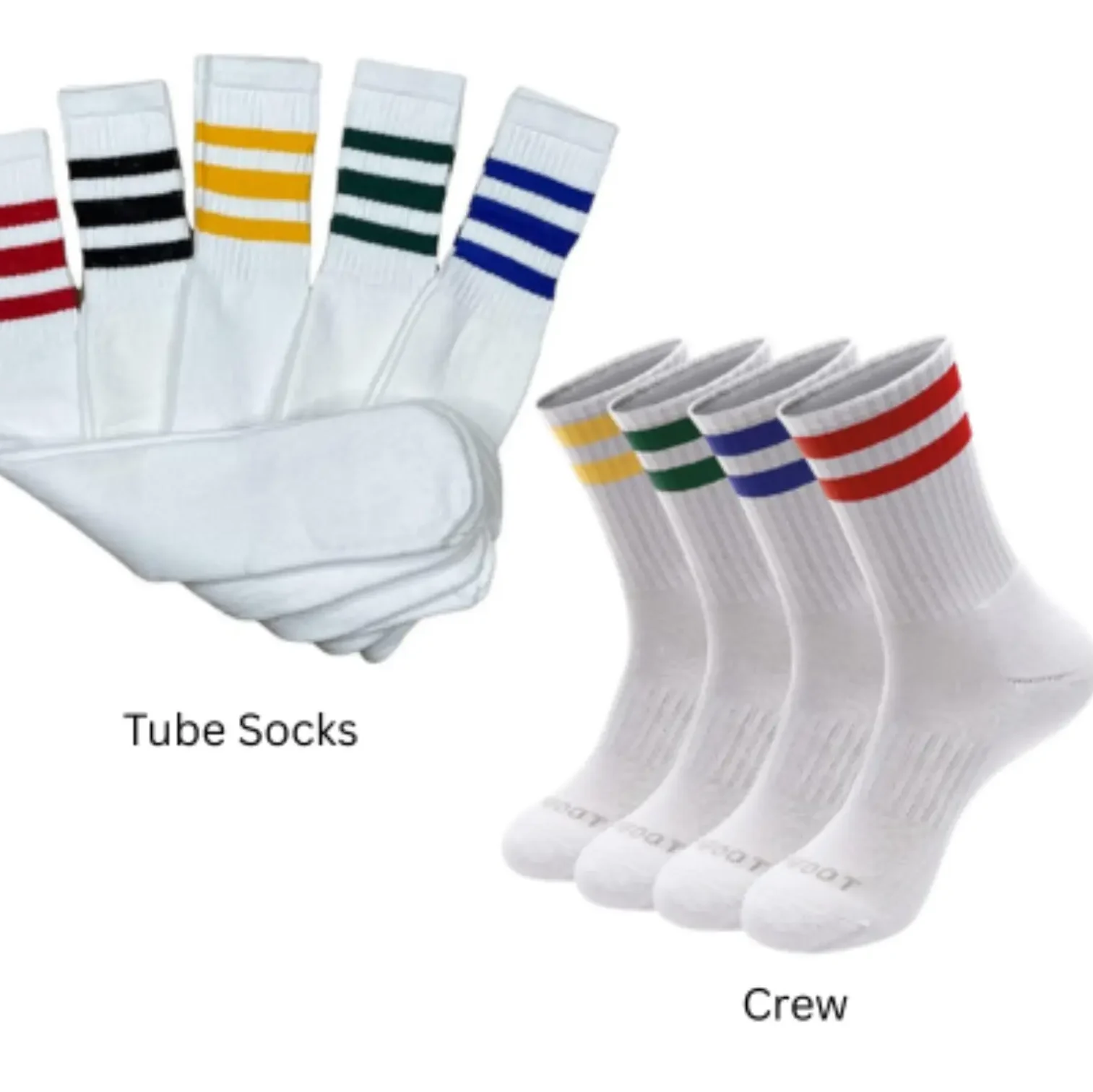
Here’s the deal. Most weak comparison articles talk about looks, stripes, or general styling. That does not help much when you are trying to decide what kind of sock line to build.
The more useful question is this: what happens after the sock is worn? A more shaped structure often leads to a more settled and predictable fit story. A simpler tubular structure can make range planning easier and visual identity clearer, but it can also feel less exact on the foot. That tradeoff matters.
It also matters because some sock lines stay simple and visual, while others move toward stronger daily comfort, more active use, or more function-led development. If the structure is wrong at the start, the product can feel off even when the styling looks right.
If you want the full background on the tube side of this comparison, it helps to start with what tube socks actually are. Once that part is clear, the comparison becomes much easier to use in a real product decision.
What is the real construction difference between crew socks and tube socks?
The biggest difference starts with the foot structure, not the color, not the cuff, and not the styling.
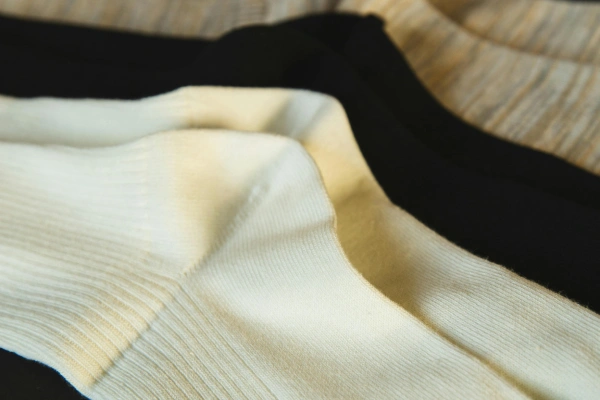
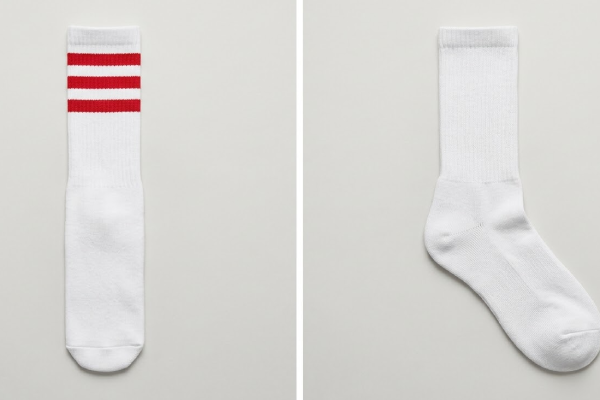
Crew socks usually use a more shaped foot construction. Tube socks usually use a simpler heel-less tubular construction. That difference changes how the sock settles on the foot and what kind of product promise it can support.
How is a crew sock usually built?
A crew sock is often described by length, but that does not tell the whole story. In product terms, most crew socks also use more shaping around the foot than a classic tube sock. The heel area is more defined. The foot feels more placed inside the sock.
That structure helps the sock sit in a more predictable position during wear. It also makes the product feel closer to what many shoppers already know as a regular, everyday sock. If you want a stronger baseline on that category, it helps to check what crew socks are and why they are popular.
How is a tube sock usually built?
A classic tube sock keeps a simpler heel-less body. The structure is more like a straight tube than a more foot-shaped form. That makes the product easier to understand and can support broader size handling, but it does not provide the same level of heel-specific positioning.
That is why two socks can look close from the outside and still behave differently once they are worn. The visual overlap can be real. The on-foot result often is not.
Why does that difference matter?
Because the final product is judged by wear, not just by appearance. A more shaped crew construction usually supports a more stable and familiar fit story. A simpler tube construction usually supports a more flexible and easier-to-plan format.
That does not mean one is always better. It means each one fits a different product goal. If the line depends on everyday comfort and a more settled feel, the construction starts to matter a lot more. If the line depends on visual identity and broad size simplicity, the tubular build may still be the better fit.
How does construction affect fit during wear?
This is where the product difference starts to feel more practical.
Crew socks usually feel more anchored because the foot sits in a clearer position. Tube socks can still work well, but they usually rely more on general stretch and less on shaped placement around the heel.
Which one usually feels more anchored?
Crew socks usually do. The foot has a more defined place inside the sock, so the wearing position often feels more settled. For daily use, this can make the product feel more familiar and easier to trust.
This matters when the line is meant to serve regular wear rather than only visual impact. If the sock is supposed to feel dependable across repeated use, a more shaped construction often supports that promise better.
Which one is more likely to shift or bunch?
Tube socks are usually more likely to do that, especially when the wearer’s foot shape sits awkwardly inside a broad fit range. Because the structure is less shaped, the sock may move more during wear.
The truth is, that tradeoff is not always a problem. A visually led or retro-inspired line can accept a different fit story than a line built around more predictable everyday comfort. The problem starts when the product promise and the construction stop matching.
Why does this matter for product expectations?
Because shoppers judge the product after real wear. If the product is meant to feel more stable, more daily, or more familiar, construction becomes part of the value. If the product is meant to stay simple, bold, and easy to size broadly, the tubular tradeoff may still be completely reasonable.
That is why fit should not be treated as a small technical detail. It changes how the whole line is likely to be received.
How do crew socks and tube socks affect size planning and SKU strategy?
This is one of the most useful parts of the comparison for brands & buyers.
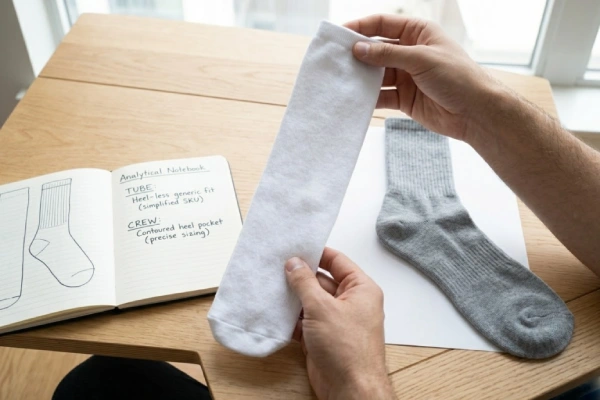
Tube socks can make broad size planning easier because the structure is simpler and less shaped. Crew socks usually support a more precise fit strategy and a more refined size story.
Why can tube socks simplify range planning?
A simpler tubular build can reduce size complexity. That makes tube socks easier to use in programs that need straightforward merchandising, easier assortment planning, or a simpler retail story.
That can work well when the product is led by visible styling rather than shape-specific comfort. In those cases, the line may benefit more from easier planning than from more exact heel positioning.
Why do crew socks support a more precise fit strategy?
Crew socks are usually easier to place in a size-led retail line. If the product direction depends on a more familiar fit expectation, stronger everyday comfort, or a more shaped foot feel, they give you a better starting point.
That makes them useful in mainstream daily-wear programs where the shopper expects the sock to feel settled, not just look good in packaging.
What does this mean for assortment planning?
It means the better option depends on the kind of tradeoff the line is willing to make. Tube socks can reduce complexity. Crew socks can support a more refined and predictable fit story.
You might be wondering where the next step goes if the line becomes more active or more technical. In that case, it helps to look at custom running socks, where shaping, cushioning, and performance details usually matter more than a simple tubular format can offer.
If the brief starts moving toward support, recovery, or stronger function-led positioning, it can also help to look at custom compression socks. And if you want a broader view of factory capability before choosing a direction, custom sports and functional sock programs can help frame the bigger picture.
Which one makes more sense for different product goals?
Once the structure and size logic are clear, the next question is simpler: what is the line trying to achieve?
Tube socks often make more sense for visually led programs. Crew socks often make more sense for fit-led programs. The better choice becomes clearer when the product goal is defined early.
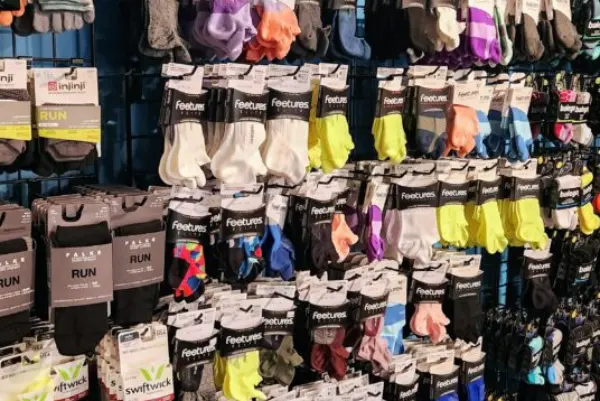
For visually driven lines
Tube socks often fit naturally here. They work well when the line depends on a clear silhouette, stripe-led styling, or a simple and easy-to-read concept. That kind of line often values visibility and easy assortment logic more than precise shaping around the foot.
For everyday retail lines
Crew socks usually make more sense. They are closer to what many shoppers already expect from a regular sock. That makes them easier to position as a dependable daily item rather than a more style-led one.
For more functional development
Crew socks, or even more shaped technical sock directions, often become the better starting point. Once the brief depends on more stable placement, targeted comfort, or a stronger performance story, a simple tube format usually stops being the strongest answer.
If that sounds closer to your project, custom compression socks and custom running socks are both more useful next reads than another general tube sock article.
When should you choose crew socks instead?
Choose crew socks when the line needs a more shaped and dependable on-foot feel.
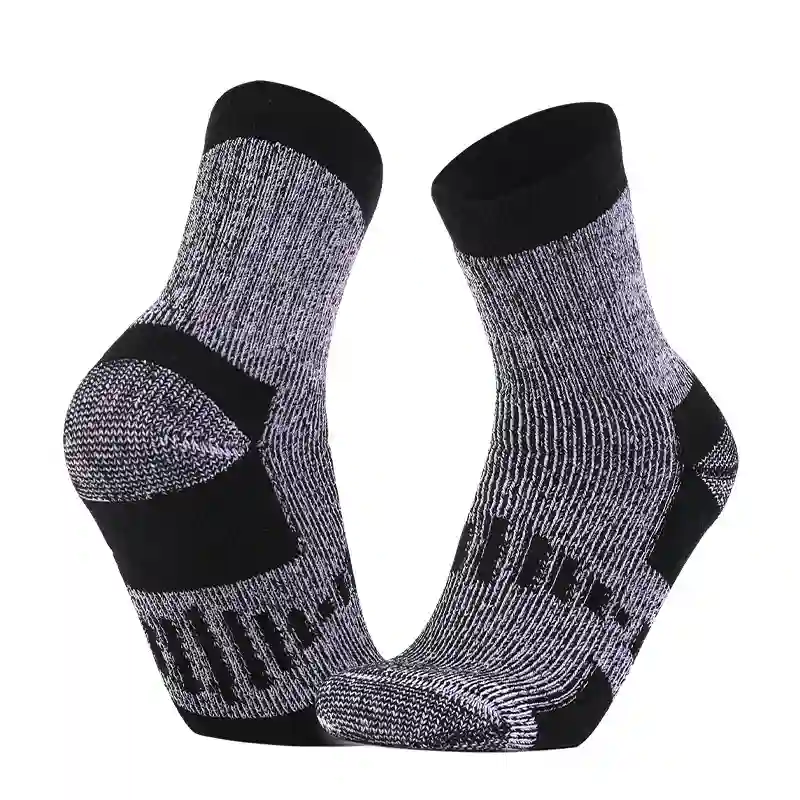
They are often the stronger choice when the product is expected to feel easy and reliable in regular wear. They also make more sense when the range may later move toward more function-led development, because the structure is already closer to that path.
If your focus is more everyday use and less tubular visual identity, crew socks are usually the safer starting point. For a deeper look at how crew styles are positioned in retail and daily wear, it helps to review what crew socks are and why they are popular.
When should you choose tube socks instead?
Choose tube socks when the line is built around simplicity, visibility, and a classic tubular format.
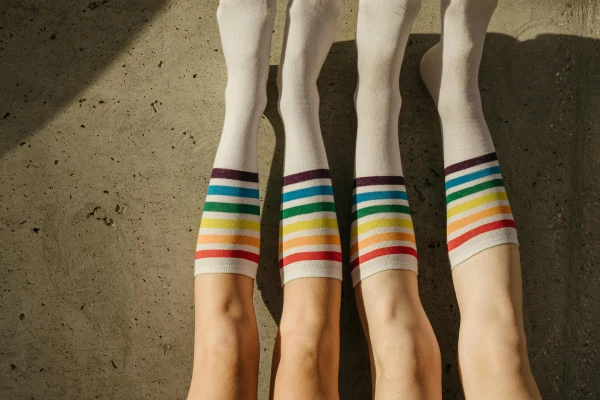
They often suit programs where the product needs to be easy to stock, easy to explain, and easy to recognize. That can make them a strong fit for retro-inspired, team-led, school-oriented, or entry-level visual lines.
The bottom line? Tube socks are not a weaker option. They are a better option for a different brief. If the line wins through visual clarity and easier planning, the simpler build can be exactly right.
What should buyers decide before moving forward?
A better product decision usually starts with better questions.
Before choosing between crew socks and tube socks, decide whether the line needs fit precision or size simplicity, whether the value is more visual or more use-driven, and whether the range is likely to stay basic or move toward a more technical offer later.
Start with the product promise. If the line is meant to feel familiar, stable, and easy for everyday wear, crew socks usually align better. If the line is meant to stay visually direct, easy to stock, and simple to explain, tube socks may align better.
Then think about what comes next. Some lines stay basic. Others begin with a simple sock concept and later move toward more shaped, more function-led development. That future path should influence the structure you choose now.
If you want to sort the right direction for your next program, it helps to review custom sports and functional sock programs first, then request a quote for your sock project once the brief is clearer.
Conclusion
Crew socks usually fit better when a line needs more shape and a more familiar everyday wearing result. Tube socks usually fit better when the line values visual clarity, simpler sizing, and a classic tubular format.
FAQ
Are crew socks the same as tube socks?
No. They can look similar, but the construction is different. Crew socks are usually more shaped around the foot, while tube socks use a simpler heel-less tubular build.
Do crew socks usually feel more stable than tube socks?
In many cases, yes. Crew socks usually feel more anchored because the foot sits in a more defined position. Tube socks can still work well, but the fit is usually less exact.
Are tube socks only useful for retro-style products?
No. Retro is one common direction, but not the only one. Tube socks can also work in teamwear, school, and simple retail-basic programs where broad sizing helps.
Which one is usually better for everyday retail?
Crew socks are often the stronger choice for everyday retail because they support a more familiar fit expectation and a more mainstream daily-use position.
Which one is easier for broad size planning?
Tube socks usually are. Their simpler structure can make them easier to use in programs that benefit from less size complexity.
When should a buyer move beyond either option?
When the brief starts to depend on more support, movement control, cushioning logic, or technical performance features, it often makes sense to move toward a more function-led sock category.
Are tube socks a weak choice for product development?
No. They are simply better for a different kind of brief. They work best when the line values visual clarity and easier planning more than shape-specific fit.
What is the safest starting point for a new sock line?
That depends on the product goal. Crew socks are usually safer for mainstream daily wear. Tube socks are often safer for visually led or simpler entry-level programs.