

Search “sock manufacturer” on Alibaba and you will get over 8,000 results. Half of the listings marked “Manufacturer” are actually trading companies reselling products from factories they have never set foot in. The real challenge for most buyers is not finding suppliers — there are too many of them — but finding the right one.
I have spent over 13 years working in China’s sock export industry, based in Zhejiang province, the heartland of Chinese hosiery manufacturing. In that time, I have helped brands across Europe, the Americas, and Asia develop and produce everything from graduated compression socks to custom grip socks. I have also watched buyers waste months — and thousands of dollars — on the wrong suppliers, simply because they did not know what to look for.
This guide will walk you through the entire process: how to define what you need, where to search, how to tell a real factory from a middleman, how to evaluate quality, and how to avoid the most common and costly mistakes. Every recommendation here comes from real sourcing situations, not theory.
Here is the short version if you are in a hurry: To find a reliable sock manufacturer in China, start by defining your product specs, target market, and order volume. Search through B2B platforms, trade shows, or Google to build a shortlist of 5–8 candidates. Verify each supplier is a real factory — not a trading company — by checking their business license scope and asking specific manufacturing questions. Evaluate quality through certifications, client references, and sample testing. Start with a trial order before committing to large volumes.
Who This Guide Is For
There is no such thing as the “best” sock factory in China. There is only the factory that best matches your specific needs. Different buyers bring different requirements, and the type of factory you should target depends entirely on your situation.
Startup sock brands typically need a factory willing to accept lower minimum order quantities, offer product development guidance, and communicate patiently through the learning curve of a first production run.
Sports and compression sock brands rely heavily on a factory’s technical capabilities — specific knitting machines, functional yarn expertise, and the ability to achieve precise graduated pressure levels. A factory that excels at basic cotton crew socks may struggle with medical-grade compression.
Retailers and supermarket buyers prioritize supply chain compliance. They need factories with valid audit reports (BSCI, Sedex), stable production capacity, and the ability to meet strict packaging and labeling requirements.
Importers, wholesalers, and e-commerce private label sellers often look for a balance: competitive pricing, reasonable MOQs, reliable quality, and a factory that can support custom branding and packaging for their own labels.
Understanding which category you fall into will shape every decision from this point forward.
Step 1 — Define What You Actually Need Before You Search
Most sourcing failures do not start with a bad factory. They start with a buyer who has not clearly defined what they need. If you approach ten factories with a vague inquiry like “I want to make socks,” you will get ten wildly different quotes that are impossible to compare. Take the time to define your requirements before you send a single message.
Product Category
Different sock types require fundamentally different manufacturing setups. A factory producing casual cotton crew socks uses different machines, yarns, and finishing processes than one specializing in compression socks with graduated pressure levels.
Before you search, be specific about what you are making. If your product line spans multiple categories — say athletic socks and compression sleeves — understand that you may need different factories for different products, or you need to find one with genuinely broad capabilities (which is rarer than you might think).
Target Market & Certifications
Your destination market determines the compliance requirements your factory must meet. Selling into the EU? OEKO-TEX® Standard 100 certification is practically a baseline expectation for textile products, and many European retailers will also require a BSCI or Sedex audit report from your manufacturer. Targeting the US medical or wellness market with compression products? You may need to consider FDA registration requirements. The Japanese market adds another layer — needle detection is mandatory for most textile imports, meaning your factory needs needle detection equipment and protocols built into their quality control process.
Do not assume every factory holds every certification. Confirm these requirements upfront so you only approach factories that can actually serve your market.
Commercial Requirements
Beyond the product itself, get clear on your business parameters: What is your target landed cost per pair? What order quantity are you starting with — 500 pairs or 50,000? When do you need the goods delivered? These details matter because they determine which tier of factory you should target. A factory running 500 knitting machines is unlikely to prioritize a 300-pair trial order. Conversely, a small workshop may not have the capacity or quality systems to handle a 100,000-pair seasonal order.
Supplier Search Checklist — Fill this out before you begin:
| Question | Your Answer |
|---|---|
| Sock type (e.g., compression, grip, athletic, casual) | |
| Target market (e.g., US, EU, Japan, Latin America) | |
| Required certifications (e.g., OEKO-TEX® Standard 100, BSCI, FDA) | |
| Estimated order quantity per style/color | |
| Target price range per pair (FOB) | |
| Timeline for first shipment | |
| Custom packaging needs (yes/no, details) |
Step 2 — Where to Find Sock Manufacturers in China (5 Channels)
Finding sock factories is not the hard part. The internet has made that easy. The real skill is knowing how to use each channel efficiently and how to read the signals that separate serious manufacturers from middlemen.
B2B Platforms (Alibaba, Made-in-China, Global Sources)
These platforms remain the most common starting point for overseas buyers. On Alibaba specifically, a few search tactics will save you time. First, search “hosiery manufacturer” or “sock factory OEM” rather than just “socks” — this filters out many of the consumer-oriented sellers. Use the “Verified Manufacturer” filter, but do not treat it as a guarantee. This badge means Alibaba has done a basic check on the company, but it does not confirm whether they are a real factory or a trading company with a rented showroom. I have seen trading companies carry the “Verified Manufacturer” tag, and I have seen excellent factories without it simply because they never bothered to pay for the verification program.
What matters more than badges is what you find when you dig deeper: Does the supplier profile show real factory photos with consistent branding? Do their product listings focus on a specific category (socks and hosiery) or do they sell everything from socks to handbags to phone cases? Specialization is a strong indicator of a real manufacturer.
Trade Shows
Exhibitions remain the single best way to evaluate a potential supplier face to face. The ability to touch samples, see a factory representative’s reaction when you ask a technical question, and compare multiple suppliers in one location is hard to replicate online.
Key trade shows for sock sourcing in China:
- Canton Fair (Phase 2): April–May and October–November in Guangzhou. The textile and garment section is in Phase 2. This is the largest and most established trade fair in China, attracting factories from every province.
- Shanghai International Hosiery Purchasing Expo: Usually held in March. This is the most specialized event specifically for the hosiery industry.
- Yiwu International Commodities Fair: Mid-October. Strong for pantyhose, tights, and lower-to-mid-range products, reflecting Yiwu’s local manufacturing strengths.
- ISPO Shanghai: July. If you are sourcing performance or sports socks, this show focuses on the sports and outdoor industry.
Even if you cannot attend in person, most of these shows publish exhibitor directories on their official websites. Download them. You now have a curated list of factories that are actively seeking export business — which is a much better starting point than a random Alibaba search.
Google Search
Do not overlook a simple Google search. Factories that have invested in building their own English-language website are usually more serious about serving international clients. Their websites often contain detailed product pages, factory tour videos, and certification information that you will not find on a B2B platform listing.
Search terms like “OEM sock manufacturer Zhejiang,” “custom compression socks factory China,” or “grip socks manufacturer OEM” will surface factories with independent websites. The quality of the website itself is also a useful signal — it reflects how much a factory invests in its international business development.
LinkedIn & Social Media
LinkedIn has become an increasingly useful channel for connecting with Chinese manufacturers. Search for job titles like “Export Manager” or “Sales Manager” at hosiery or knitting companies. Look at their activity: Do they post regularly about their products and factory operations? Are their posts generic or do they show real manufacturing knowledge? A sales rep who posts detailed content about yarn types or knitting techniques is more likely to be backed by a real factory than someone sharing only promotional graphics.
YouTube is another underutilized channel. Many Chinese factories now upload factory tour videos and production process clips. These are worth watching — they reveal a lot about a factory’s scale, equipment, and working environment.
Referrals & Sourcing Agents
If you are already importing other products from China, your existing supply chain is a resource. Your freight forwarder, your quality inspection company, or even your current suppliers in other categories may know reliable sock factories. Industry referrals tend to produce higher-quality leads because there is a layer of accountability built in.
Sourcing agents are another option, particularly if this is your first time buying from China. A good agent can save you significant time and help navigate language and cultural barriers. The trade-off is cost — agents take a commission (typically 3–8% of the order value) and you lose some direct control over the factory relationship. For experienced buyers, going direct is usually more efficient. For first-timers, an agent can be a worthwhile bridge.
AI Tools (ChatGPT, Claude, Perplexity, etc.)
AI search and research tools have become a practical addition to the sourcing workflow — not as a replacement for the channels above, but as an accelerator. Where they add the most value is in the early research phase: helping you understand China’s sock manufacturing landscape, identifying which production regions specialize in your product type, translating supplier documents, or drafting a structured inquiry email in professional English when it is not your first language.
For example, you can ask an AI tool to explain the difference between 144-needle and 200-needle sock knitting machines, or to help you evaluate whether a factory’s certifications match your target market’s requirements. You can paste a Chinese business license into an AI chat and get an instant translation of the business scope — far faster than hiring a translator for a preliminary check.
Where AI tools fall short is verification. They cannot confirm whether a specific factory is legitimate, whether their quoted price is reasonable for your specs, or whether their samples will match your quality expectations. That still requires direct communication, physical samples, and the due diligence steps covered in the rest of this guide. Think of AI as a powerful research assistant that helps you ask better questions — but the answers still need to come from real suppliers and real products.
Step 3 — How to Verify a Real Factory vs. a Trading Company
This is arguably the most important section of this entire guide. Working with a trading company is not necessarily bad — some add real value through quality control and logistics management — but you should always know what you are dealing with. If you think you are working with a factory but you are actually dealing with a middleman, you lose direct quality control, your margins get squeezed by an invisible layer of markup, and when problems arise, you are one step further removed from the people who can actually fix them.
Ask the Right “Zero-Threshold” Questions
You do not need to read Chinese or visit China to run this test. In your first communication with a potential supplier, ask these questions and pay close attention to how they answer:
“How many sock knitting machines do you have, and what needle counts do they cover?” A real factory owner or sales rep will answer this without hesitation: “We have 180 machines, covering 96-needle to 200-needle, mostly Lonati and a mix of domestic machines.” A trading company will pause, give a vague answer, or change the subject.
“Can you send a short video of your production floor with my type of product being made?” This is a powerful filter. A factory can pull out their phone and shoot a quick clip within a day. A trading company needs to coordinate with an actual factory, which takes time and often results in generic footage that does not match what you asked for.
“Which yarn suppliers do you regularly work with?” Real manufacturers maintain ongoing relationships with specific yarn suppliers and can name them — Huafu, Jianfeng, Langsha fiber, or specific imported brands for specialty yarns. Trading companies rarely have this depth of supply chain knowledge.
“What is your monthly production capacity in pairs?” Factories track this number closely because it is tied to their machine count, shift schedules, and workforce. Expect a specific answer, not “it depends” or “we can meet any quantity.”
Check the Business License
Every legally registered company in China has a business license. Ask your potential supplier to send you a copy — any legitimate factory will provide one without hesitation.
The critical field to examine is the Business Scope (经营范围). If it includes words like 生产 (production) or 制造 (manufacturing), the company is registered as a manufacturer. If the scope only lists 销售 (sales) or 贸易 (trade), it is a trading company.
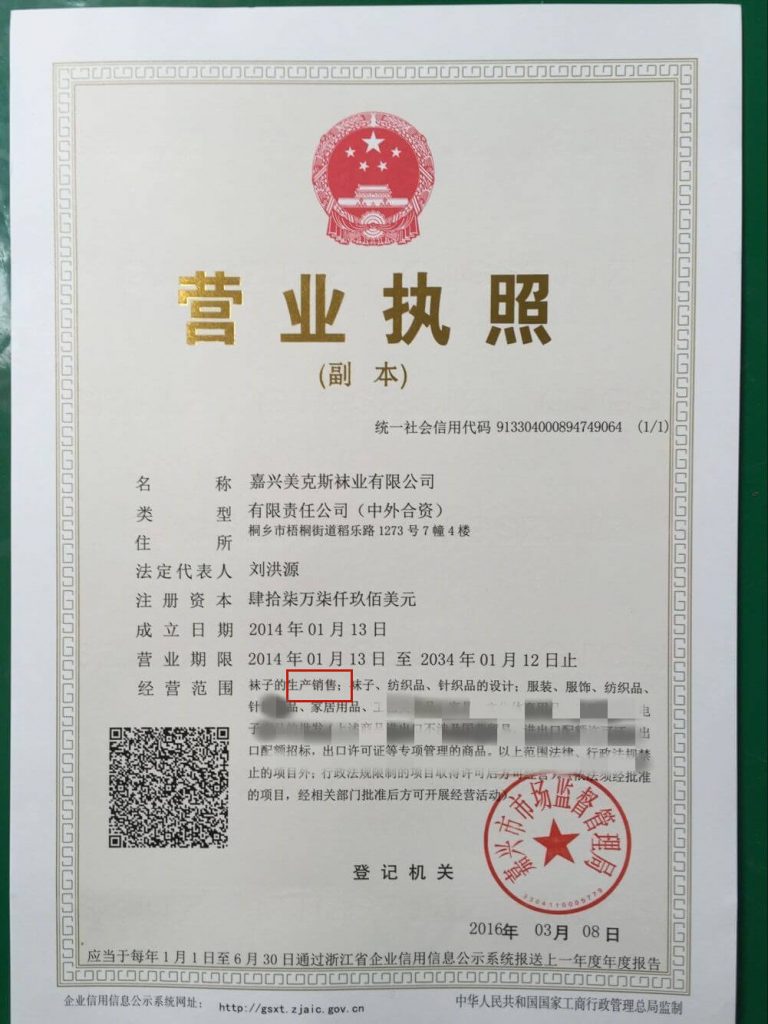
Even if you do not read Chinese, you can paste the text into Google Translate or any translation tool and look for these keywords. For a more visual guide, we have a sample business license with annotated translations on our certifications page — the key fields are highlighted so you know exactly where to look.
Beyond requesting the business license directly from the supplier, you can independently verify a company’s registration details through Qichacha, China’s most widely used commercial credit inquiry platform. Visit www.qcc.com and search for the company using their Chinese company name or the unified social credit code from their business license. The platform displays key information including the registered business scope, legal representative, registered capital, establishment date, and current operating status — all of which can be cross-checked against what the supplier has told you. Qichacha’s interface is in Chinese, but most modern browsers offer built-in page translation, and the structured layout makes it straightforward to navigate even without reading Chinese. This is a free, zero-contact way to verify a supplier’s basic legitimacy before you invest any time in sampling or negotiation.
Third-Party Verification & Audits
For higher-stakes sourcing decisions, consider these additional verification methods:
- Factory audit reports: If a factory holds a BSCI, Sedex/SMETA, or ISO 9001:2015 certification, ask to see the actual report. These audits are conducted by independent third parties and include detailed information about the factory’s location, workforce, production equipment, and management systems. A factory that has gone through these audits is almost certainly a real manufacturing operation — trading companies do not invest in factory audits because they have no factory to audit.
- China’s National Enterprise Credit Information Publicity System (国家企业信用信息公示系统): This is a free, publicly accessible government database. If you have the company’s Chinese name or unified social credit code from their business license, you can look up their registration details and verify that the information they gave you matches the official record.
- Factory visits: If the order is large enough to justify the trip, nothing replaces an in-person visit. You will learn more in one afternoon walking through a factory than in a month of email exchanges.
Red Flags to Watch Out For
Through years of working in this industry, certain patterns consistently indicate that a supplier is not what they claim to be:
- An impossibly broad product range. If the same company offers socks, hats, scarves, bags, and phone accessories, they are almost certainly a trading company aggregating products from multiple factories.
- Unusually fast and low quotes. A factory needs time to calculate costs based on your specific design, yarn requirements, and order volume. If someone quotes you within hours at a price that seems too good to be true, they likely have not done any real costing — they are quoting a generic margin on top of whatever price they think they can get from an actual factory later.
- Refusal to do video calls or show the production floor. Legitimate factories are proud of their operations and happy to show them. Resistance to transparency is a warning sign.
- Single point of contact with no technical depth. In a real factory, you should be able to speak with (or at least get input from) a technical or production person, not just a salesperson. If every technical question gets met with “let me check and get back to you,” the person you are talking to may not be sitting in a factory at all.
Step 4 — How to Evaluate Factory Quality & Capability
Confirming that a supplier is a genuine factory is only the first filter. The next question is whether their quality level, technical capability, and service match what your brand actually needs.
Quality & Sample Testing
Never skip the sampling stage. I have watched buyers try to save two weeks by going straight to bulk production based on a photo or a competitor’s product — and then spend two months dealing with a quality dispute that could have been caught with a single sample round.
When evaluating samples, pay attention to more than just appearance. Check the knitting density and consistency across different areas of the sock. Test elastic recovery — stretch the cuff and leg section and see how well they return to shape. Wash the samples multiple times following your market’s standard care instructions and check for shrinkage, color fading, and shape distortion. If you are sourcing compression socks, use a pressure testing device to verify that the graduated compression levels match your specifications at the ankle, calf, and below-knee points.
A good factory will also proactively point out potential issues during the sampling process — for example, advising that a particular yarn blend may cause pilling after repeated washes, or that your design’s color placement will require a more expensive knitting technique. This kind of honest, technical feedback is a strong positive signal.
Certifications — What They Really Mean
Factory certifications fall into two distinct categories, and understanding the difference matters:
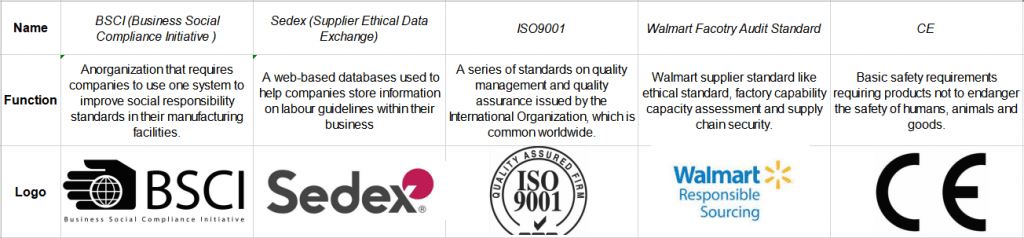
Factory management and social compliance certifications include BSCI, Sedex/SMETA, ISO 9001:2015, and retailer-specific audits like Walmart FCCA or Target STRA. These certify that the factory meets standards for working conditions, labor practices, environmental management, and operational systems. They tell you the factory is professionally managed and compliant — but they do not directly speak to product quality.
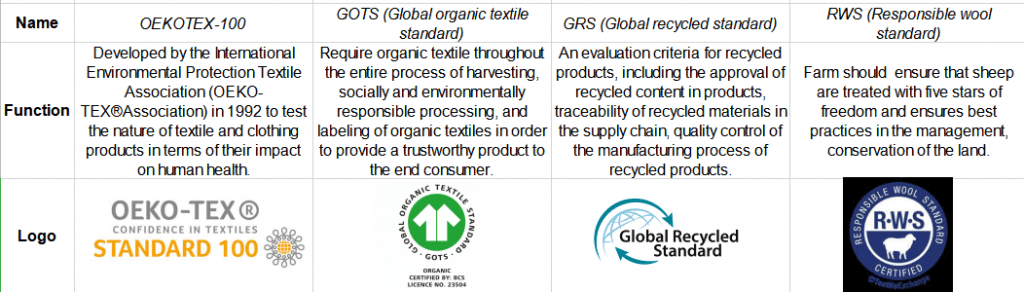
Product and material certifications include OEKO-TEX® Standard 100, GOTS (Global Organic Textile Standard), GRS (Global Recycled Standard), and RWS (Responsible Wool Standard). These certify that the raw materials and finished products meet specific safety, environmental, or sustainability criteria. OEKO-TEX® Standard 100, for example, tests for harmful substances in the final product — an important assurance for anything worn against the skin.
Not every factory needs every certification. The right combination depends on your target market and sales channels. European retail typically requires OEKO-TEX® Standard 100 plus a social compliance audit. US buyers may focus more on CPSIA compliance for children’s products. Japanese importers often have their own proprietary quality standards in addition to standard certifications. View our current certifications here for a concrete example of what a well-equipped export factory typically holds.
MOQ Flexibility & Lead Time
Minimum order quantities in the sock industry are typically quoted per design, per color, per size — not as a simple total. A factory might say “MOQ 1,000 pairs,” but that actually means 1,000 pairs of one specific design in one color and one size. If you need 3 sizes across 2 colors, that is 6,000 pairs minimum for a single design. Make sure you understand this structure before comparing quotes.
On lead time, differentiate between sample lead time and bulk production lead time. Samples typically take 7–15 days depending on whether the factory needs to dye custom yarn or can use stock materials. Bulk production for a standard order ranges from 30–60 days after sample approval and deposit payment, but this stretches significantly during peak season (roughly August through November for Northern Hemisphere winter orders). Always confirm lead times in writing and build buffer into your planning.
Communication & Problem-Solving
This is an underrated but critical evaluation criterion. The way a factory communicates during the inquiry and sampling phase is a reliable preview of how they will perform during production.
A strong factory does not just say “yes” to everything. When you send a tech pack, they should come back with questions: “The yarn blend you specified will increase cost by 15% — would you consider this alternative that achieves similar performance at a lower price?” or “This design detail is technically possible but will slow production by 20% — is it essential?” A factory that blindly agrees to every requirement without any technical discussion is either not reading your specs carefully or telling you what you want to hear to secure the order. Both are dangerous.
Step 5 — China’s Sock Manufacturing Regions: An Insider Map
China’s sock manufacturing is heavily concentrated in specific geographic clusters. Understanding these regions helps you search more efficiently and set realistic expectations about what different factories can offer.
Zhejiang Province — China’s Sock Capital
The vast majority of China’s sock production happens in Zhejiang. Within the province, different cities have developed distinct specializations over decades:
| City | Specialty | Quality Positioning | Best For |
|---|---|---|---|
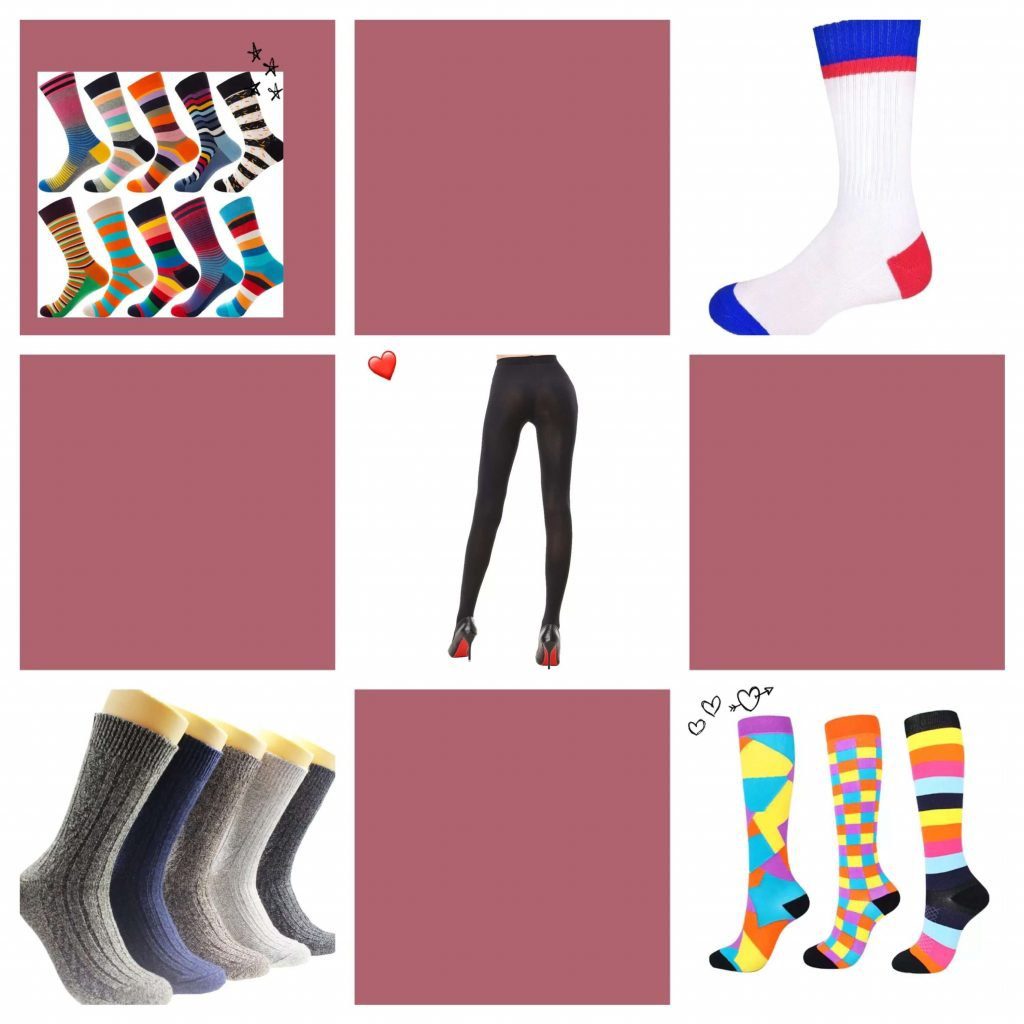
| Haining (海宁) | Athletic socks, compression socks, functional hosiery | Mid-to-high end. Primary exports to EU, US, Japan, South Korea | Brands prioritizing quality, compliance, and technical capability |
| Zhuji (诸暨) | General socks of all types — the largest production base by volume | Low-to-mid range. Strong price competitiveness, ~80% of output goes to supermarket and promotional channels | Cost-sensitive buyers, large-volume basic styles |
| Yiwu (义乌) | Pantyhose, tights, stockings | Mid-to-high end for tights specifically | Women’s hosiery brands and tights importers |
| Taizhou (台州) | Pantyhose, tights | Mid range | Tights sourcing where Yiwu pricing is too high |
| Shangyu (上虞) | Toe socks (five-finger socks) | Specialized niche | Toe sock and functional footwear brands |
Jiangsu Province
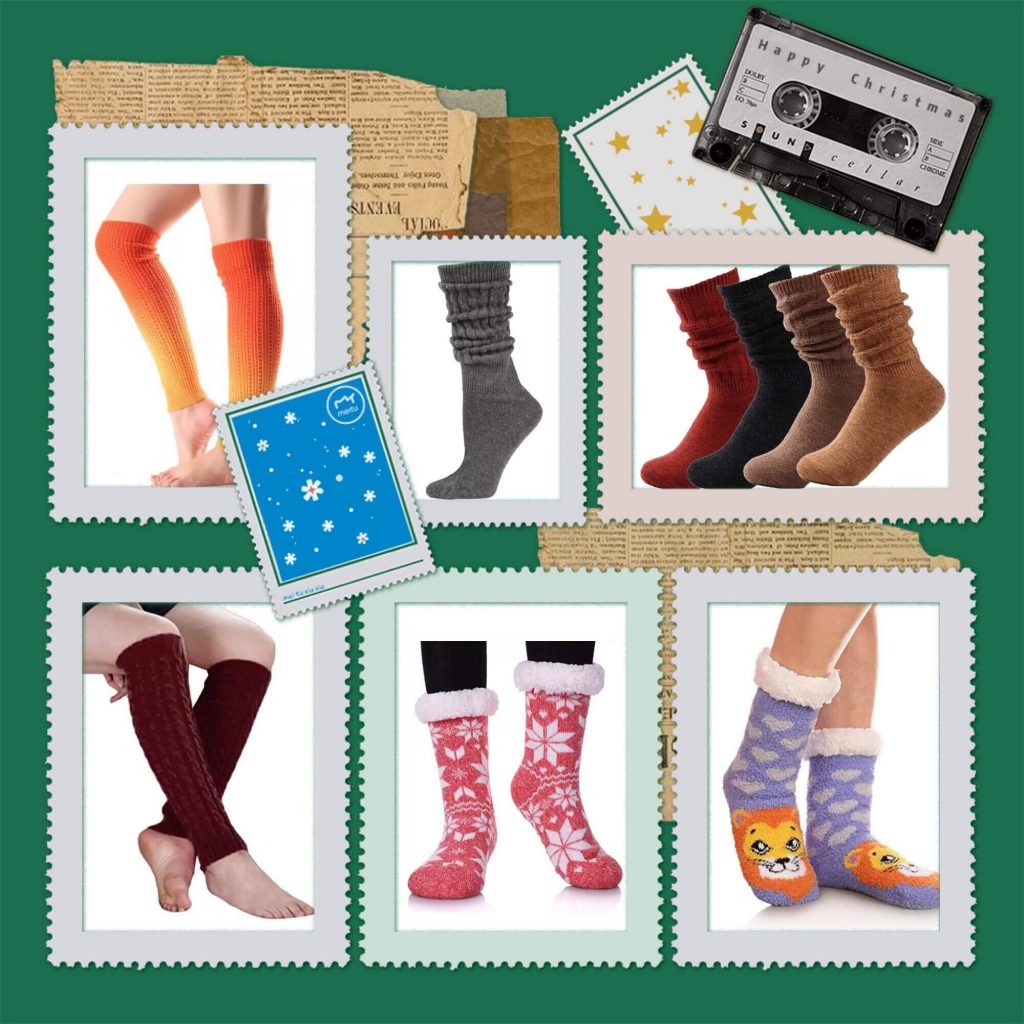
In Jiangsu, sock manufacturing is concentrated in Jiangyin (江阴), which has a strong cluster of both hosiery and knitted garment factories. Jiangyin specializes in slipper socks, floor socks, leg warmers, and slouch socks — products that lean toward home and casual wear rather than sports or medical use.
Guangdong Province
Foshan and a few other cities in Guangdong have some sock manufacturing operations, but the scale and cluster density are far below Zhejiang. You are more likely to encounter these factories for very specific product niches or when bundling sock orders with other Guangdong-based garment production.
Why Region Matters for Your Sourcing
The practical implication of these regional specializations goes beyond just finding a factory. Within a concentrated production cluster, raw material suppliers, yarn markets, auxiliary equipment vendors, and skilled labor are all nearby. This drives down the factory’s production costs and improves their responsiveness — they can source a specific yarn within days rather than weeks.
Here is a counterintuitive insight that trips up many buyers: the “cheapest” region is not always the cheapest option for your specific product. Zhuji has the lowest average prices in China for socks, but if you need technically complex compression socks with graduated pressure, a Zhuji factory may actually quote higher than a Haining factory — because Haining has the specialized machines and in-house expertise, while a Zhuji factory would need to outsource the technical components or invest extra time in development. Always match the product to the region’s strength, not just its price reputation.
If you are planning a factory visit to China, choosing suppliers within the same production cluster allows you to visit 3–5 factories in 2–3 days, which is far more efficient than crisscrossing provinces.
Step 6 — 10 Questions to Ask Before Ordering Samples
Before you commit to sampling — which involves time, sample fees, and shipping costs — use this checklist to quickly assess whether a supplier is worth pursuing further. These questions are designed to be copied directly into your inquiry email or WhatsApp message.
- What is your MOQ per design, per color, per size? Make sure you understand the total commitment, not just a headline number.
- Can you produce this exact product based on my tech pack / reference sample? If they say yes to everything without a single clarifying question, be cautious.
- What is your sample lead time, and what is bulk production lead time? Get both numbers and ask whether they account for potential yarn sourcing delays.
- Which specific certifications do you currently hold? Ask for copies of certificates, not just claims. Check expiration dates.
- Do you knit this specific type of sock in-house, or do you outsource any part of the process? Some factories knit in-house but outsource boarding (heat setting), printing, or packaging to subcontractors. This is not necessarily a problem, but you should know about it.
- Can you share photos or videos of similar products you have manufactured? Real client references are far more credible than sample room displays.
- What quality inspection standard do you follow before shipment (e.g., AQL 2.5)? A factory with defined QC procedures will answer this clearly. One without will hesitate.
- What custom packaging options do you offer? This matters especially for branded retail products — poly bags, header cards, belly bands, custom boxes, and so on.
- How many sample revisions are typically included in the sample fee? Most factories include 1–2 rounds. Clarify this upfront to avoid surprise charges.
- How do you handle defects or quality claims after delivery? The answer reveals a lot about a factory’s confidence in their own product and their approach to long-term partnerships.
Step 7 — Common Mistakes & Red Flags to Avoid
Every experienced buyer has a story about a sourcing decision that went wrong. Here are the patterns I see most often.
Choosing the Lowest Quote Blindly
Price is important, but it is never the only variable. When one factory quotes $1.20 per pair and another quotes $1.60 for what looks like the same product, the gap almost always reflects real differences: lighter yarn weight, lower knitting density, skipping the boarding (heat-setting) process, or using cheaper elastic that will lose tension after a few washes. I have seen a buyer save $0.30 per pair on a 20,000-pair order and then lose the entire account when their retail customer rejected the shipment for inconsistent sizing — a problem directly caused by the factory skipping the boarding step to cut costs.
Always compare quotes on a like-for-like basis: same yarn composition and weight, same knitting density, same finishing processes, same packaging. If you are not sure why one price is significantly lower, ask the factory to explain.
Skipping the Pre-Production (PP) Sample
The initial development sample and the pre-production sample can differ. Once a factory transitions from sample room production (small batch, careful attention) to bulk line production (high speed, different operators), small variations can creep in. Always request and approve a PP sample — a sample taken from the first run of actual bulk production — before the factory continues with the full order. This one step prevents a disproportionate number of quality disputes.
Overpromising Everything
Be very wary of a factory that says “yes” to every requirement you list — complex design, tight timeline, low MOQ, rock-bottom price, every certification you need — without raising a single question or concern. Experienced manufacturers know that trade-offs exist. A factory that never pushes back is either not understanding your requirements, not planning to deliver on them, or simply telling you whatever you want to hear to close the deal.
The best factories I have worked with are the ones that tell you what they cannot do — or what they recommend changing — before you place the order, not after.
Putting All Eggs in One Basket
Relying on a single factory with no backup is a risk that catches up with most buyers eventually. Factories face their own disruptions — machine breakdowns, raw material shortages, labor fluctuations during Chinese New Year, or unexpected audit failures. Having a qualified secondary supplier, even one you only use occasionally, gives you negotiating leverage and supply chain resilience.
Vague Answers & Poor Communication
If a factory takes 3–5 days to respond to a straightforward inquiry, gives incomplete answers to your questions, or frequently misunderstands your requirements during the quotation stage — these problems will not improve once you place an order. Communication quality during the sales phase is the best it will ever be. If it is already frustrating, walk away.
Step 8 — How Different Buyers Should Choose Factories
Your ideal factory profile depends on your business model. Here is how to adjust your priorities:
For Startup Brands: You need a factory that is willing to work with smaller quantities and invest time in educating you through the production process. Look for factories with MOQs in the 300–1,000 pair range per style, fast sample turnaround, and a sales team that explains options rather than just taking orders. Many startups also benefit from a factory’s ODM capability — where the factory helps with design and material selection, not just manufacturing to your exact spec.
For Retailers & Chain Stores: Compliance is your top priority. Your sourcing team (or your customer’s sourcing team) will likely require specific audit certifications before you can even begin sampling. Focus on factories with valid BSCI, Sedex, or retailer-specific audit reports, stable month-over-month production capacity, and experience meeting the packaging and labeling standards of major retail channels. Ask for references from existing retail accounts.
For Sports & Compression Brands: Technical capability is non-negotiable. You need a factory with genuine experience in functional yarns (Coolmax, Lycra, nylon blends for compression), graduated pressure knitting, and in-house testing equipment. Ask to see their compression sock production process and verify that they can achieve and test specific mmHg pressure ranges. A factory that primarily makes cotton fashion socks and “also does compression” is usually a red flag — the machinery and expertise requirements are fundamentally different.
Step 9 — Our Recommendation: The 5-3-2 Shortlisting Method
After years of helping brands navigate the supplier selection process, I recommend a simple decision framework that works regardless of your product type or order size.
Start with 5–8 candidates. Use the channels described in Step 2 to identify potential factories. Send each one a standardized inquiry with the same product specs, quantity, and requirements — this makes comparison fair and efficient.
Narrow to 3 based on initial responses. Evaluate the speed, completeness, and professionalism of their replies. Look at their pricing structure, certifications, and how they handle your questions from the Step 6 checklist. Eliminate any that raise the red flags covered in Step 7.
Order samples from the top 2. Pay the sample fees (typically $50–150 per style depending on complexity) and invest in this step properly. Test the samples against your specifications and quality standards. Pay attention not just to the physical product, but to the entire sample experience: communication, accuracy, attention to detail, and whether they flagged any potential issues proactively.
Make your final decision based on sample quality and service quality combined. The factory with the best sample and the best communication is your primary supplier. The runner-up becomes your backup.
This process typically takes 4–8 weeks from initial inquiry to final supplier selection. It requires patience, but it dramatically reduces the risk of ending up with the wrong partner.
Step 10 — How We Support Brands with Custom Sock Manufacturing
At Max Hosiery, We are a manufacturer — not a trading company — with our production facility in Haining, Zhejiang and a dedicated export office in Hangzhou. This setup means you get direct factory pricing and quality control, combined with a professional trade team that handles communication, documentation, and logistics in a major international business hub.
Our core manufacturing expertise covers compression socks with medical-grade graduated pressure, grip socks for sports and studio use, athletic and cycling socks, and dance tights. We support full OEM and ODM — whether you come to us with a complete tech pack or just an idea that needs development.
We hold current BSCI, Sedex, OEKO-TEX® Standard 100, and ISO 9001:2015 certifications, and we are audited regularly by international brands and retailers. If you have followed the evaluation steps in this guide, we welcome you to apply them to us — ask us the hard questions, request our business license, tour our facility, and test our samples against any competitor.
To see a real example of how we work with brands from initial concept to delivered product, visit our compression sock case study page.
China remains the world’s strongest and most cost-effective supply chain for sock manufacturing, with production clusters that have been refined over decades. But the sheer number of options means that finding the right factory requires a systematic approach — not luck.
The process does not have to be complicated. Define your needs clearly. Search through the right channels. Verify that you are dealing with a real factory. Evaluate their quality and capability against your specific requirements. Start small, test thoroughly, and scale with confidence.
If you are currently evaluating manufacturers or preparing to develop a new sock line, we are happy to answer questions — whether you end up working with us or not. Send us your tech pack, product idea, or just a list of questions, and we will give you a straight, honest response.
📩 Contact us here or send your inquiry directly to get started.
Frequently Asked Questions
How do I know if a sock supplier in China is a real factory?
The most reliable methods are: (1) asking specific manufacturing questions about their equipment, yarn suppliers, and production capacity — real factories give detailed answers instantly while trading companies are vague; (2) requesting their business license and checking whether the business scope includes “manufacturing” or “production” rather than just “sales” or “trade”; and (3) asking for a factory audit report such as BSCI or Sedex, which only applies to actual manufacturing facilities.
What is the typical MOQ for custom socks?
MOQs in the sock industry are quoted per design, per color, per size. For standard custom socks, a typical factory MOQ ranges from 500 to 3,000 pairs per SKU. More technically complex products like graduated compression socks may have higher minimums (1,000–2,000 pairs) because of setup requirements. Some factories offer lower MOQs for first-time buyers willing to pay a slightly higher unit price.
How long does sock sampling usually take?
If the factory can use yarn already in stock, samples typically take 7–10 days. If custom yarn dyeing is required, add another 5–7 days. Most factories charge a sample fee (usually $50–150 per style) that is refundable against the first bulk order. Always clarify how many revision rounds are included in the sample fee.
Should I work with a trading company or a factory directly?
Both can work, but for different situations. Working directly with a factory gives you lower costs, more quality control, and faster communication on technical issues. Trading companies can add value if you are sourcing multiple product categories from China and want a single point of contact to manage logistics across different factories, or if you are new to importing and need someone to handle the operational complexity. The key is knowing which one you are dealing with and making a conscious choice — not finding out after the fact.