

Merino or regular wool? It sounds like a simple material choice — but it shapes everything from your retail price to how your customer talks about your product in a review.
We’ve manufactured both for over a decade. This page lays out the real differences — not textbook definitions, but what actually changes in your product, your margins, and your customer’s experience when you choose one over the other.
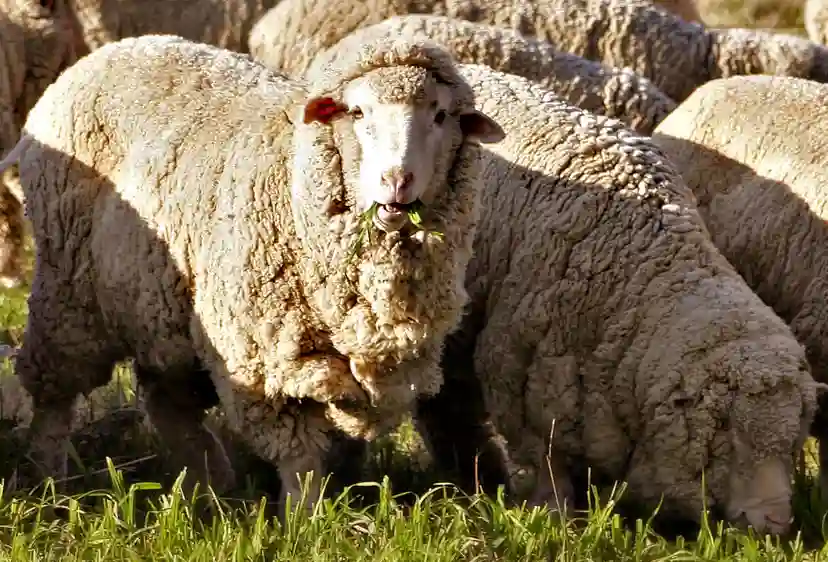
Fiber Grade Breakdown: What the Micron Count Actually Tells You
If you’ve sourced wool before, you’ve heard the micron conversation. Here’s the short version of why it matters.
The thinner the fiber, the softer the sock feels against skin. That’s it. Everything else — the itch, the premium perception, the price your customer is willing to pay — flows from that one physical property.
| Fiber Type | Micron Range | What Your Customer Feels | Where It Sits in the Market |
| Ultrafine Merino | < 16.5 µm | Luxury soft, almost silky | Premium performance, gifting |
| Fine Merino | 16.5 – 19.5 µm | Soft, no itch whatsoever | Outdoor, athletic, lifestyle |
| Medium Merino | 19.5 – 23.5 µm | Soft with slight texture | Mid-range everyday, hiking |
| Regular / Crossbred Wool | 25 – 40 µm | Noticeably woolly, can itch | Budget outdoor, industrial |
The Performance Differences Your Customer Will Actually Notice
Your end customer doesn’t care about micron counts or fiber science. They care about what happens when they wear the socks all day, take them hiking for a weekend, or pull them out of the drawer next winter.
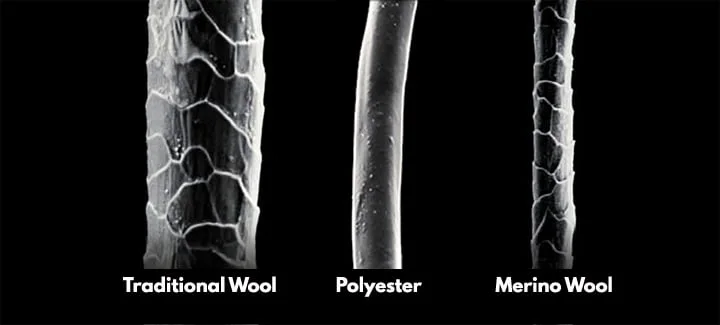
Here’s where merino creates a gap that regular wool can’t close:
They don’t stink. This is merino’s killer feature for sock products, and it’s not subtle. Merino socks stay wearable for 2–3 days between washes. Regular wool develops odor much sooner. Natural lanolin in the fiber inhibits bacterial growth — which is why outdoor brands have built entire marketing campaigns around “wear more, wash less.” If you sell into hiking, travel, or workwear channels, this single property does more selling than anything you’ll write on the packaging.
They don’t itch. This is the other deal-breaker. A meaningful percentage of consumers associate “wool socks” with scratchy, uncomfortable, grandpa-style knitwear. Fine merino (under 19.5 µm) completely eliminates that reaction — the fibers are simply too fine to trigger it. That means fewer returns, better reviews, and customers who actually reach for the socks again instead of leaving them in the back of the drawer.
They handle moisture better. Merino absorbs up to 35% of its weight in moisture before it starts feeling wet to the touch. Regular wool sits around 20%. In practice, this means your customer’s feet stay dry through a full workday or a long hike — the kind of experience that earns you a five-star review and a reorder.
They work across seasons. Merino’s finer fiber structure traps more air per square centimeter, which means better warmth-to-weight ratio in cold weather — but it also breathes well enough for moderate temperatures. That all-season versatility means you can sell one SKU year-round instead of marking it down at the end of winter.
What to lead with in your product marketing: Odor resistance and comfort. Warmth and moisture management are expected — every wool sock claims those. “Wear them three days straight and they still won’t smell” is the line that makes someone click “add to cart.”
Cost Structure: Does the Price Premium Make Sense?
Merino costs more. That’s not the question. The question is whether the cost bump pays for itself in what you can charge.
Raw material cost, ballpark:
| Fiber | Approximate Cost |
| Regular / crossbred wool | $4 – $8 / kg |
| Medium merino (19.5 – 23.5 µm) | $10 – $16 / kg |
| Fine merino (16.5 – 19.5 µm) | $16 – $28 / kg |
| Ultrafine merino (< 16.5 µm) | $30 – $60+ / kg |
But almost nobody makes 100% wool socks — merino or otherwise. Wool-acrylic blends are the industry norm across all price tiers. Acrylic brings the cost down, speeds up drying, improves shape retention after washing, and makes the socks machine-washable — all things pure wool struggles with on its own. Most wool socks you see on the market, from budget to mid-range, are built on a wool-acrylic base with nylon added for abrasion resistance in the heel and toe, and a small percentage of elastane for stretch and recovery. The blend ratio is where you position your product — and where your cost structure gets decided.

Here’s how different blend ratios play out in the real market:
65–80% merino — This is where Smartwool, Icebreaker, and Darn Tough live. Full premium hand feel, strong odor resistance, and you can market these as merino wool socks without any asterisk. If you’re building an outdoor or performance sock line, this is the range to target.
40–65% merino — Solid middle ground. Still feels distinctly different from a regular wool or synthetic sock. Works well for mid-tier lifestyle and everyday lines where you want a merino story but need tighter cost control.
20–40% merino — Entry-level merino. Enough to put “merino blend” on the label, but the softness and odor resistance are noticeably weaker. Mass-market brands like Kirkland and Uniqlo operate here. Be careful — if your customer is expecting a true merino experience at this blend level, you’ll hear about it in reviews.
Under 20% — Hard to recommend. The merino benefit is barely perceptible, but customer expectations are set by the word “merino” on the tag. The gap between promise and experience creates problems.
The math worth running: If going from regular wool to a 65% fine merino blend adds $1.50–$2.50 to your production cost per pair, but lets you move your retail price up by $5–$10, you’ve just expanded your margin. That math works in most channels — but run it against your specific volumes and price positioning before committing.
Where Merino Makes Sense — and Where It Doesn’t
Merino isn’t the right fiber for every sock in your catalog. Here’s how we’d think about it:
Strong fit — merino pulls its weight:
Hiking and outdoor performance socks. This is the core merino market. Customers expect it and will pay the premium without blinking.
Work socks for long-shift wear. Nurses, construction crews, warehouse workers — anyone on their feet 10+ hours. Odor resistance and all-day comfort build serious brand loyalty in this segment.
Premium everyday and lifestyle socks. In a sea of commodity cotton and polyester, merino is a tangible differentiator that customers can feel the moment they put the sock on.
Travel socks. The “pack three pairs for a ten-day trip” positioning resonates hard with frequent travelers. Merino makes that claim credible.
Moderate fit — it helps, but it’s not essential:
Athletic and running socks. The performance benefits are real, but this market is brutally price-competitive and synthetic moisture-wicking fabrics are well-established.
Ski and snow sport socks. Expected for premium lines, but cushioning design and fit engineering matter as much as fiber choice.
Weak fit — save the merino budget:
Budget and mass retail socks. The cost premium doesn’t align with price-driven channels.
Fashion and novelty socks. The customer is buying the design, not the fiber.
Compression socks. Graduated pressure engineering is what drives the value — fiber type is secondary.
OEM Sourcing: What to Specify and What to Watch For
If you’re ordering merino socks from a contract manufacturer, a few details in your spec sheet can save you from quality issues down the line.
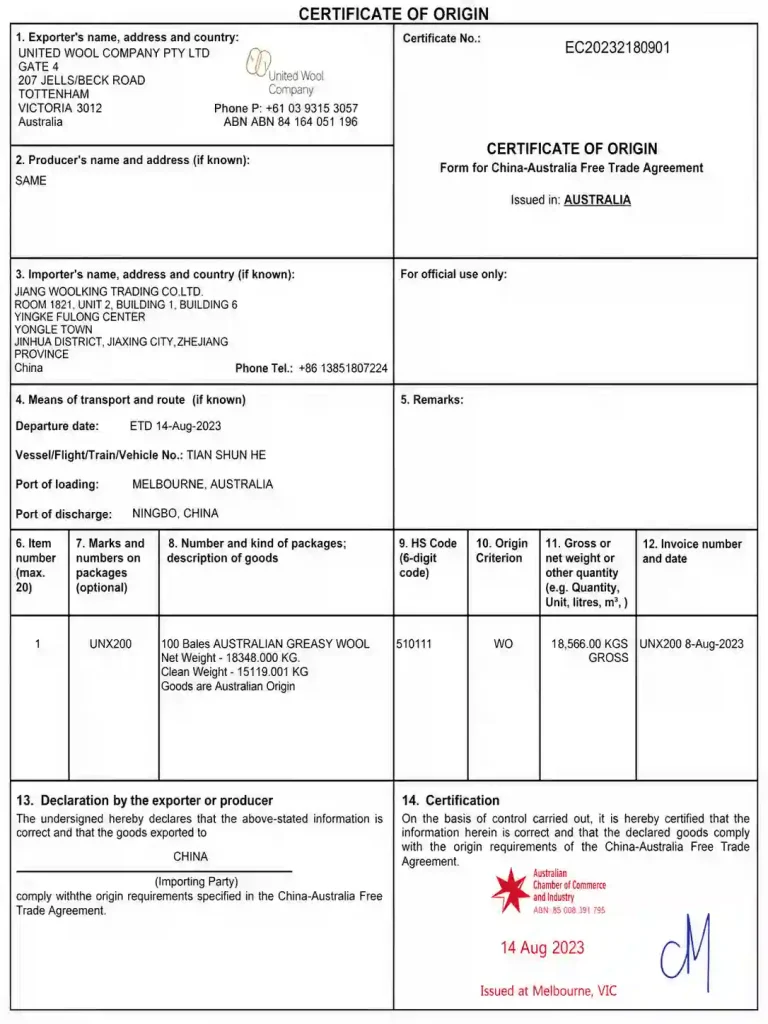
Pin down the fiber certification. Woolmark certification or equivalent third-party documentation confirms you’re getting actual merino at the grade you’re paying for. Without it, you’re relying on supplier claims — and we’ve seen what happens when those claims are generous.
Lock in the blend ratio. Don’t just say “merino blend.” Specify the exact percentages — something like 68% merino / 27% nylon / 5% elastane — and require independent lab testing on production samples to verify. The blend ratio is a cost driver, so it’s the most likely spec to drift if nobody is checking.
Ask about pilling. This is merino’s Achilles heel. The same fine fibers that make it soft also make it more prone to pilling than coarser wool. Good manufacturers manage this through nylon content, knitting density, and finishing processes — but ask to see pilling test results before you approve production. Pilling is the number-one complaint in merino sock reviews, and it’s entirely preventable with the right construction.
Confirm shrinkage treatment. Merino needs specific finishing — Superwash treatment or controlled heat-setting — to prevent shrinkage in home washing. Get wash-test results showing dimensional stability after at least 5 wash cycles. A sock that fits perfectly out of the package but shrinks half a size after the first wash is a returns problem.
Check your manufacturer’s merino experience. Merino’s finer fiber requires different knitting tension than regular wool or synthetics. A factory that primarily knits cotton or polyester socks will need a development period to dial in the machine settings. That’s normal — just factor it into your timeline.
Let’s Figure Out the Right Spec for Your Line
Whether it’s merino, regular wool, or a specific blend ratio — the right answer depends on your product positioning, your target retail price, and your customer’s expectations. We’ve been manufacturing wool socks across the full spectrum since 2013, and we’re happy to walk through the options with you.
FAQs
Are merino wool socks better than regular wool socks?
Merino wool socks are usually better for comfort-focused products because the fibers are finer, softer, and less itchy than regular wool. For B2B buyers, this makes merino a stronger fit for premium hiking, travel, workwear, and lifestyle sock lines.
What percentage of merino wool is best for socks?
For most commercial sock lines, 40–70% merino wool is a practical range. It gives a clear merino feel while leaving room for nylon, acrylic, polyester, or elastane to improve durability, stretch, shape recovery, and wash performance.
Are 100% merino wool socks a good idea?
Not usually. Pure merino feels soft, but it can lose shape faster and may wear out sooner in high-friction areas. Most better-performing merino socks use blended yarns with nylon and elastane to improve fit, abrasion resistance, and daily durability.
Do merino wool socks smell less than regular wool socks?
Yes. Merino wool is widely valued for odor resistance, which makes it suitable for hiking, travel, and long-shift wear. This can help brands create stronger product claims around multi-day use, fewer washes, and better end-customer comfort.
Do merino wool socks shrink after washing?
They can shrink if the yarn and finishing process are not controlled properly. For OEM orders, buyers should ask for shrinkage testing, wash-test results, and clear care instructions before bulk production, especially for premium retail or outdoor sock programs.
Why do merino wool socks pill?
Merino fibers are finer than regular wool, which helps softness but can increase pilling risk. Good sock construction can reduce this through stronger yarn blends, tighter knitting density, nylon reinforcement, and finishing controls during production.
Are merino wool socks good for summer?
Yes, lighter merino wool socks can work in warm weather because the fiber helps manage moisture and temperature. For summer or travel SKUs, buyers should consider lower cushioning, breathable mesh zones, and a balanced blend instead of heavy winter-style construction.
How should brands choose between merino and regular wool socks?
Choose merino when comfort, odor resistance, softness, and premium positioning matter. Choose regular wool or lower-cost blends when price is the main driver. The best option depends on target retail price, customer expectations, use case, and required durability level.