

Key Takeaways: Can Compression Socks Help with PoTS?
Yes. Compression socks manage PoTS by applying graduated pressure to prevent blood pooling in the legs and abdomen, thereby stabilizing heart rate and reducing dizziness. Clinical studies recommend 20–30 mmHg waist-high compression as the gold standard. For brands, the post-COVID surge in diagnoses offers a significant opportunity to supply specialized, breathable, and durable compression gear.
Why Compression Socks Are Rising in the PoTS Market
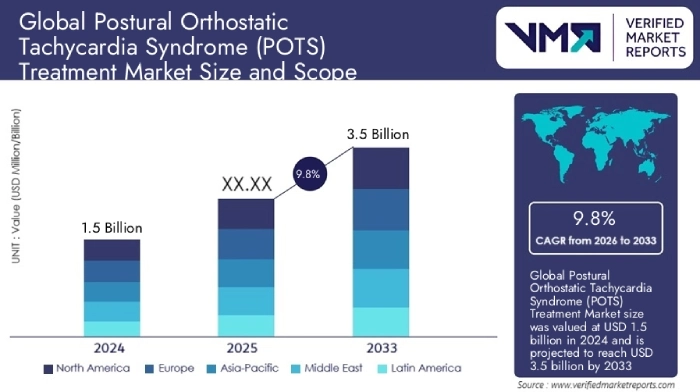
The landscape of medical compression wear is shifting. Following the global pandemic, the incidence of Postural Orthostatic Tachycardia Syndrome (PoTS) has seen a dramatic rise, closely linked to “Long COVID.”
For medical textile brands and retailers, this isn’t just a medical statistic—it’s a rapidly expanding market segment. Data suggests a five-fold increase in PoTS diagnoses post-pandemic. Unlike traditional compression sock users (often elderly or travelers), the PoTS demographic is predominantly young females (ages 15-35) who demand function, comfort, and fashion.
This guide combines the latest medical research with market insights to help brands develop the right compression products for the PoTS community.
What is PoTS and Why is the Market Growing?
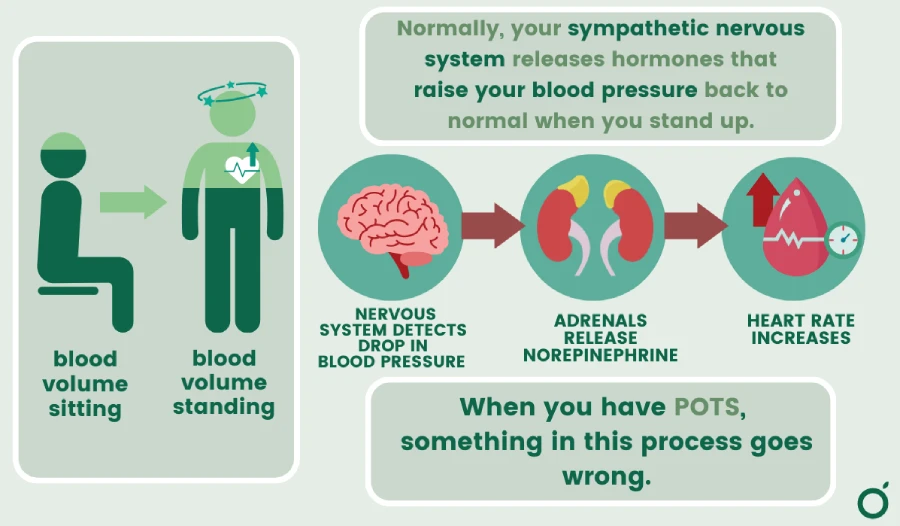
The Mechanism: Fighting Gravity PoTS is a form of Dysautonomia where the autonomic nervous system fails to regulate blood flow correctly. When a patient stands up, blood pools in their legs and—crucially—their abdomen. This causes the heart rate to skyrocket (tachycardia) to compensate, leading to dizziness, fatigue, and “brain fog.”
The “Long COVID” Connection Research published in the European Heart Journal indicates a significant surge in PoTS cases following COVID-19 infections. This has transformed a once “rare” condition into a common concern, driving a new wave of consumers seeking non-pharmacological management tools.
Market Insight for Brands: PoTS patients don’t just buy one pair of socks; they wear them daily to function. They are high-retention customers looking for a “go-to” brand that understands their specific needs.
The Product Gap: What PoTS Patients Actually Need
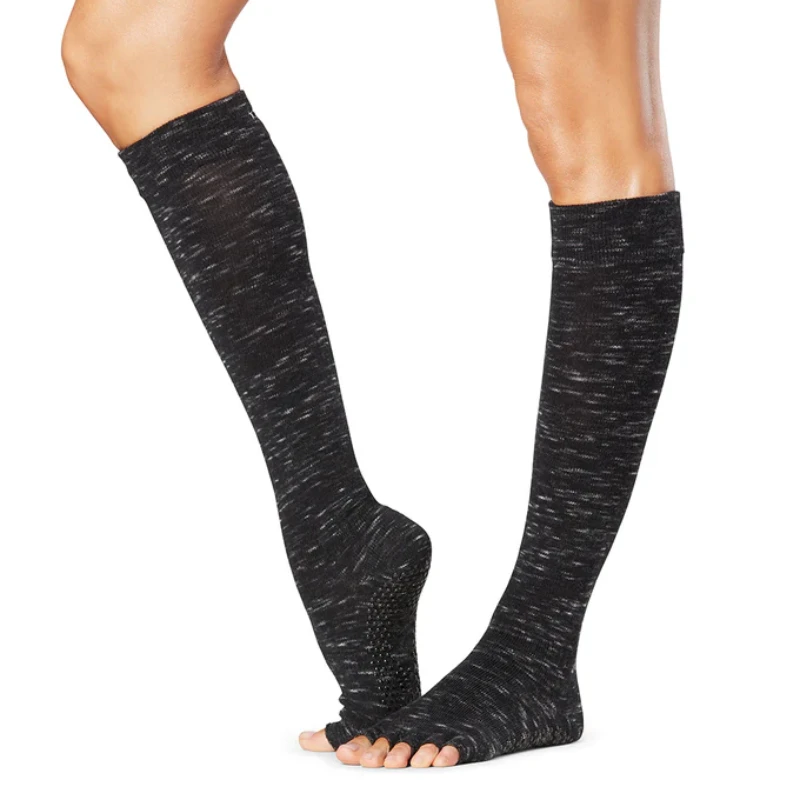

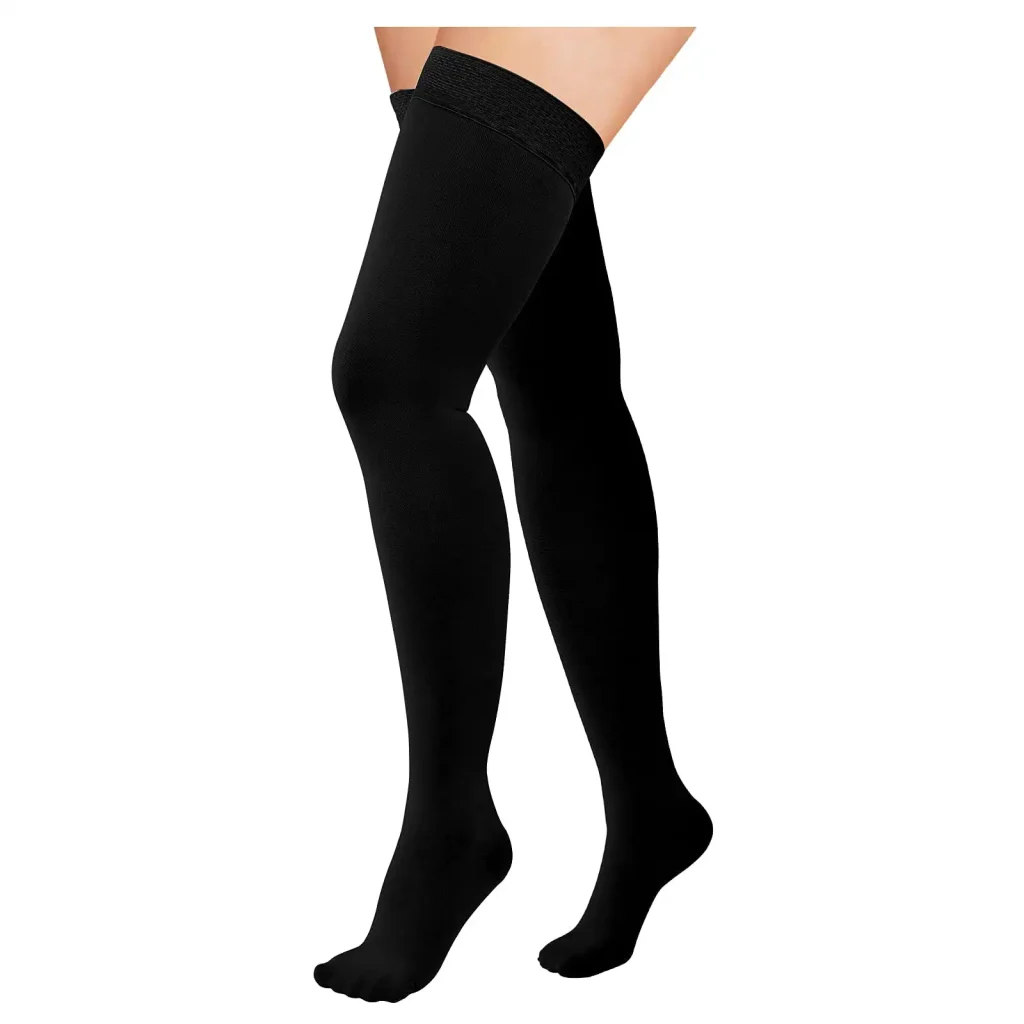
Standard flight socks often fail to meet the specific physiological needs of PoTS patients. Based on patient community feedback and clinical studies, here is what brands should focus on manufacturing:
1. The “Waist-High” Advantage (Crucial Trend)
While knee-high socks are popular, clinical studies show that waist-high compression (tights/leggings) is significantly more effective for PoTS.
- Why: PoTS involves blood pooling in the splanchnic (abdominal) bed. Compressing the calves alone is good, but compressing the calves and the abdomen provides superior symptom relief.
- B2B Opportunity: Develop high-waisted compression leggings or control-top tights specifically marketed for Dysautonomia support.
2. Pressure Levels: The 20–30 mmHg Sweet Spot
- 15–20 mmHg: Good for mild days or sleeping, but often insufficient for standing tolerance.
- 20–30 mmHg: The “Gold Standard” for PoTS management. It provides enough resistance to prevent pooling without being impossible to put on.
- 30–40 mmHg: Needed for severe cases, but requires careful sizing to avoid discomfort.
3. Sensory-Friendly Materials
Many PoTS patients also suffer from comorbidities like MCAS (Mast Cell Activation Syndrome) or EDS (Ehlers-Danlos Syndrome), making them hypersensitive to textures.
- The Problem: Rough nylon or tight bands can cause skin reactions or sensory overload.
- The Solution: Use Bamboo fiber or Soft Microfiber blends. Ensure toe seams are flat (seamless) and top bands are wide to prevent “digging in.”
The Product Gap: What PoTS Patients Actually Need

Standard flight socks often fail to meet the specific physiological needs of PoTS patients. Based on patient community feedback and clinical studies, here is what brands should focus on manufacturing:
The “Waist-High” Advantage (Crucial Trend)
While knee-high socks are popular, clinical studies show that waist-high compression (tights/leggings) is significantly more effective for PoTS.
- Why: PoTS involves blood pooling in the splanchnic (abdominal) bed. Compressing the calves alone is good, but compressing the calves and the abdomen provides superior symptom relief.
- B2B Opportunity: Develop high-waisted compression leggings or control-top tights specifically marketed for Dysautonomia support.
Pressure Levels: The 20–30 mmHg Sweet Spot
- 15–20 mmHg: Good for mild days or sleeping, but often insufficient for standing tolerance.
- 20–30 mmHg: The “Gold Standard” for PoTS management. It provides enough resistance to prevent pooling without being impossible to put on.
- 30–40 mmHg: Needed for severe cases, but requires careful sizing to avoid discomfort.
Sensory-Friendly Materials
Many PoTS patients also suffer from comorbidities like MCAS (Mast Cell Activation Syndrome) or EDS (Ehlers-Danlos Syndrome), making them hypersensitive to textures.
- The Problem: Rough nylon or tight bands can cause skin reactions or sensory overload.
- The Solution: Use Bamboo fiber or Soft Microfiber blends. Ensure toe seams are flat (seamless) and top bands are wide to prevent “digging in.”
Design & Aesthetics: The “Invisible Illness” Factor
The target demographic (young women) often rejects the “medical beige” look. They want compression wear that looks like activewear or fashion hosiery.
- Fashion Prints: From florals to geometric patterns, brands like Vim & Vigr have proven that medical devices can be stylish.
- Sheer & Invisible: Options that look like regular pantyhose for office wear.
- Athleisure Style: Compression leggings that pass as yoga pants are currently a bestseller in the chronic illness community.
Real Feedback from POTS Communities

Many POTS patients find compression socks helpful in reducing dizziness and leg swelling. They appreciate socks that offer firm support while remaining breathable and comfortable for all-day wear.
Common issues include inconsistent sizing, poor breathability, and difficulty putting socks on or off. These problems can limit usage and cause frustration.
Brands that listen to this feedback can improve product design by offering better fit options, breathable fabrics, and easier wearability. Sharing real user experiences and educating customers also strengthens trust and boosts marketing effectiveness.
Practical Guide for Buyers: How to Source the Right Product
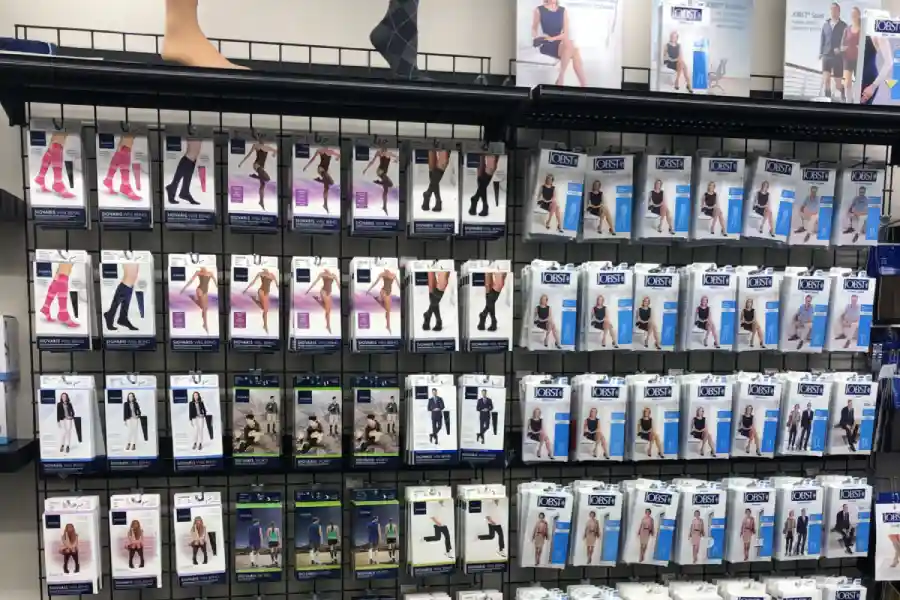
When sourcing or manufacturing compression socks for the PoTS market, use this checklist to ensure product-market fit:
| Feature | Standard Sock | PoTS-Optimized Sock |
| Length | Knee-High | Knee-High, Thigh-High, & Waist-High |
| Fabric | Standard Nylon | Soft, Breathable (CoolMax/Bamboo) |
| Band | Narrow Elastic | Wide, Silicone-dotted (Non-slip) |
| Donning | Hard to pull on | High elasticity/Easy-on Tech |
| Aesthetics | Solid Colors | Fashion Patterns & Activewear Looks |
Pro Tip: PoTS patients struggle with temperature regulation. Sourcing moisture-wicking materials (like CoolMax) is a major selling point over generic cotton/nylon blends.
FAQs
Are knee-high or waist-high compression socks better for PoTS?
Clinical studies confirm waist-high compression is superior for PoTS. Since blood pools in the abdomen, not just the legs, compressing the stomach area maximizes venous return. While knee-highs are easier to wear, brands should offer high-waisted tights to provide the “full-body” support severe patients need for maximum relief.
What is the best compression level (mmHg) for managing PoTS?
The “Gold Standard” for PoTS is 20–30 mmHg. This level effectively prevents venous pooling while remaining comfortable for daily wear. Lower pressure (15–20 mmHg) often fails to stop heart rate spikes, while higher pressure (30–40 mmHg) is too difficult to put on. Retailers should focus on 20–30 mmHg as their core product.
Do compression socks help with PoTS “brain fog”?
Yes. “Brain fog” often results from poor blood flow to the brain when standing. Compression socks mechanically force blood upwards against gravity, stabilizing blood pressure and oxygen delivery to the head. Many users report improved focus and clearer thinking, making this a key selling point for students and professionals.
Should I wear compression socks while sleeping?
Generally, no. PoTS symptoms are triggered by gravity when upright, so compression is unnecessary while lying down. Wearing them 24/7 can irritate skin. However, advising patients to put socks on before getting out of bed helps prevent the initial morning heart rate spike (tachycardia) upon standing.
Why do my compression stockings roll down or hurt?
Rolling down usually indicates a fit or design issue. Narrow bands or small sizes cause painful digging, especially for patients with connective tissue disorders (EDS). High-quality brands solve this with wide, silicone-dotted bands and “wide-calf” options. Diverse sizing is crucial to prevent customer complaints and ensure effectiveness.
How can I wear compression in summer without overheating?
Heat worsens PoTS, yet patients often skip compression due to discomfort. The solution is material innovation. Brands should promote open-toe designs for airflow and moisture-wicking fabrics like CoolMax® or Bamboo. “Sheer” medical hosiery offers the required 20–30 mmHg pressure while being thinner and more breathable than standard opaque socks.
Capture the Market with Max Hosiery

The demand for specialized, high-quality compression wear for Dysautonomia and PoTS is growing faster than the current supply. At Max Hosiery, we specialize in manufacturing medical-grade compression garments that balance clinical efficacy with modern comfort.
From 20–30 mmHg waist-high tights to sensory-friendly bamboo socks, we can help you build a product line that truly serves the chronic illness community.
Contact Us Today to Request Samples or Start Your Custom Order