
Sports Compression Socks: Sport-Specific Line Development for Athletic Brands

Choose the sport, pressure level, cushioning zone, yarn system, and branding direction — we help athletic, outdoor, fitness, and recovery brands build sport-specific compression sock lines.

Sport-Specific Product Development

Why One Compression Sock Spec Doesn't Fit Every Sport

A running sock, a court sock, and a ski sock may all use compression, but they should not automatically share the same product specification. Movement pattern, session duration, footwear, climate, and impact zones change what matters most — from compression positioning and shaft height to cushioning, fit, and yarn system. Start with the sport first, then build the specification around how the product will actually be worn.

Explore by Sport

Running Compression Socks: Build Around Distance, Terrain & Footwear

A daily road runner, a marathoner, and a trail athlete may all wear compression socks, but the same construction will not necessarily suit each use case. Distance, terrain, footwear, heat build-up, debris exposure, and cushioning needs should shape the product brief before pressure level or material is finalized.

Road and Marathon Compression Socks

Road & Marathon Compression Socks

Road running usually puts a premium on low bulk, ventilation, predictable fit, and cushioning that does not crowd the shoe. As running duration increases, heat management, seam placement, moisture control, and compression stability over extended wear become more important development variables.

Product Direction: Decide whether the line really needs separate daily-training and long-distance SKUs. If one construction can serve both use cases, keep the assortment simple. Split the range only when cushioning, yarn system, shaft height, fit, or compression positioning needs to change.

Trail Running & Ultra Compression Socks

Trail running adds product requirements that road running may not: uneven terrain, debris exposure, longer wear periods, changing weather, and greater abrasion around the foot and lower leg. These conditions can justify more protective cushioning, reinforced wear zones, a more secure cuff, and a material system selected for the target climate.
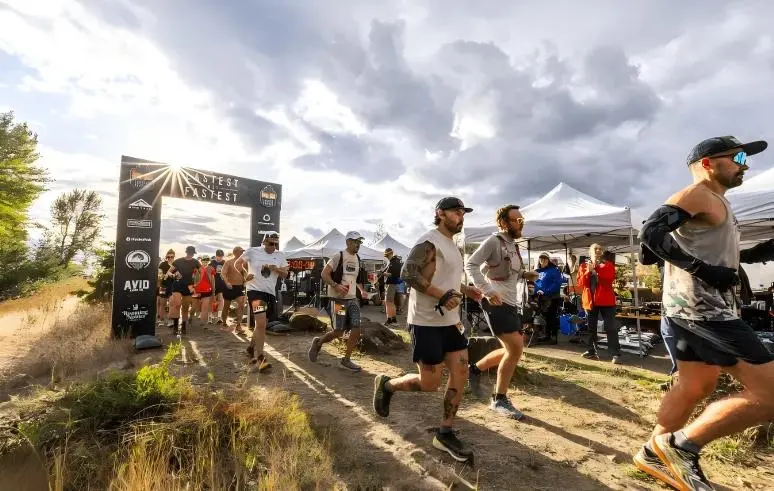
Product Direction: Start with terrain and footwear first. A warm-weather trail shoe, waterproof hiking-style footwear, and an alpine ultra setup may require very different combinations of cushioning, shaft height, ventilation, and fiber blend. Merino can be one route for colder or variable climates, but it should not be treated as the default for every trail product.
Trail Running and Ultra Compression Socks

Outdoor Compression Socks: Build Around Footwear, Climate & Duration

Outdoor compression products have to work inside very different footwear systems — from trail shoes and hiking boots to close-fitting cycling shoes and ski boots. Climate, activity duration, available shoe volume, and protection needs should shape the sock construction before compression level or material is finalized.

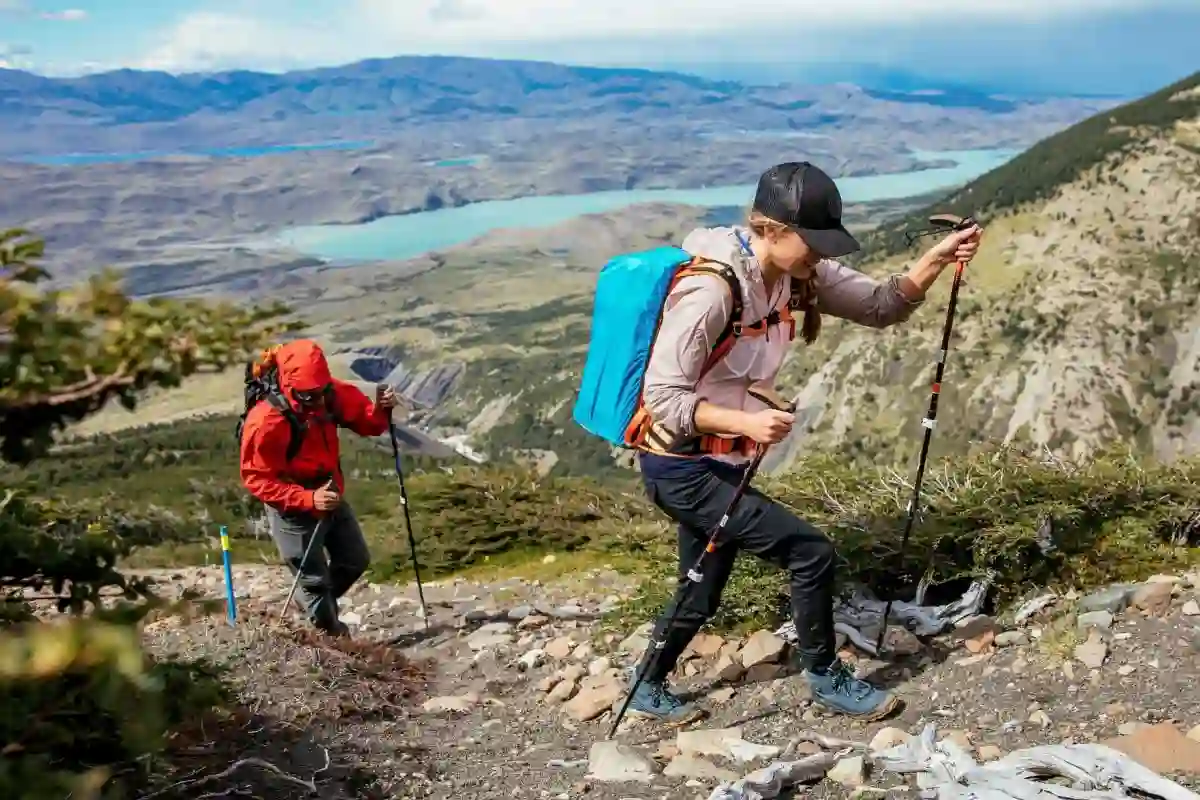
Hiking and Trekking Compression Socks

Hiking & Trekking Compression Socks

Hiking creates a balancing problem: the sock may need cushioning, abrasion resistance, moisture management, and boot compatibility while still maintaining a controlled compression fit. More compression or more padding is not automatically better, because both can change the available space and feel inside the boot.

Product Direction: Start with the footwear and trip profile. Day hiking, multi-day trekking, warm-weather trails, and cold alpine conditions may require different shaft heights, cushioning maps, and fiber systems. For broader hiking sock development, see our Hiking Sock Solutions .
Cycling Compression Socks

Cycling Compression Socks

Cycling footwear leaves very little room for bulk. Sock thickness, heel placement, ankle contouring, seam construction, and moisture management all need to work inside a close-fitting cycling shoe. That makes cycling a clear example of why compression cannot be designed independently from footwear.
Product Direction: Keep the foot section low-profile first, then decide where compression should sit within the overall construction. For longer rides or different climates, ventilation and yarn choice may change without requiring the entire sizing or compression system to change.
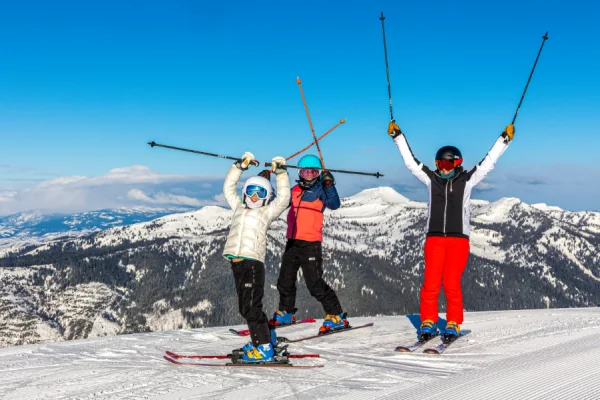
Ski Compression Socks

Ski Compression Socks

A ski sock has to manage warmth, shin contact, moisture, and fit inside a rigid boot where excess thickness can quickly become a problem. Compression therefore needs to be developed together with the cushioning map and available boot volume rather than added onto a conventional thick winter sock.

Product Direction: Start with boot fit and temperature range. Shin cushioning, heel and ankle reinforcement, knee-high construction, and the material system should be balanced around the target skier and climate. Merino blends can be one route, but they are not the default answer for every ski product.
GYM & FITNESS PRODUCT DEVELOPMENT

Gym & Fitness Compression Socks:
Build for Training Mode, Heat & Repeat Wear

Gym training is not one use case. Strength work, functional training, and high-intensity conditioning create different demands around footwear, heat build-up, cushioning, abrasion, and movement. Start with how the product will actually be worn during training, then decide whether a separate recovery-oriented SKU is really needed.

Strength & Functional Training

Strength and functional training need a secure fit that stays stable through squats, lifts, sled work, and repeated floor-based movement. Sock bulk, cuff security, heel placement, and reinforcement zones all need to work inside the training shoe without creating unnecessary thickness.

Product Direction: Keep the foot section controlled and stable first. Add reinforcement where the target training style creates repeat friction or wear rather than adding heavy cushioning across the whole sock.

HIIT & Conditioning

HIIT and conditioning sessions combine heat, sweat, quick directional changes, and repeated high-output movement. That puts more emphasis on ventilation, moisture management, secure fit, and a construction that does not bunch or migrate during fast transitions.

Product Direction: Prioritize heat management and fit stability. Keep cushioning compatible with training footwear, then tune the yarn system and ventilation zones around session intensity and climate.

Training vs Recovery Positioning

A compression sock designed to be worn during training does not automatically need the same construction as a recovery-oriented product. Training use puts more emphasis on footwear compatibility, heat management, and movement stability, while a recovery-positioned SKU may justify a different compression position, material feel, or wearing-duration strategy.

Product Direction: Do not create a second SKU simply because “recovery” sounds marketable. Split training and recovery only when the intended use creates a meaningful change in fit, compression positioning, material, or wearing experience.
PRODUCT DEVELOPMENT REFERENCE

Sport-by-Sport Starting Specification Matrix

Use this matrix as a starting point for product development, not as a fixed specification standard. The same sport can require different compression positioning, cushioning, materials, and shaft construction depending on footwear, duration, climate, target customer, and intended use.

Sport / Use Case Compression Role Footwear & Shaft Cushioning Direction Material Direction Key Development Focus
Running & Endurance
Road / Daily Training Core Route Low-bulk construction; crew or knee-high depending on the product brief Low-profile heel and forefoot cushioning that does not crowd the shoe Lightweight synthetic performance blends with ventilation as a priority Fit stability, moisture management, seam placement, and keeping the assortment simple where one construction can cover multiple training uses
Marathon / Long Distance Core Route Extended-wear fit with shaft height selected around the intended compression architecture Targeted cushioning only where prolonged wear creates meaningful need Moisture-managing yarn system selected around climate and race conditions Heat build-up, extended-wear stability, seam comfort, and whether the use case actually justifies a separate long-distance SKU
Trail / Ultra Running Core / Conditional More secure cuff or higher shaft where terrain and debris exposure require it Protective cushioning and reinforced wear zones based on terrain and footwear Synthetic or climate-specific blends; Merino may be considered for colder or variable conditions Terrain, debris, abrasion, weather, long wear duration, and compatibility with the target trail footwear
Outdoor & Footwear-Driven Sports
Hiking & Trekking Conditional Route Boot-compatible shaft and volume; fit must be considered together with cushioning Cushioning map based on footwear, trip duration, terrain, and pack load Synthetic, wool, or blended systems selected around climate and trip profile Balance compression with boot space, abrasion resistance, moisture control, and multi-day wear. See Hiking Sock Solutions for broader hiking development.
Cycling Conditional Route Close-fitting cycling shoe makes low bulk the first constraint Minimal cushioning; avoid unnecessary volume inside the shoe Lightweight, fast-drying performance yarn systems Heel placement, ankle contouring, seam construction, ventilation, and compression architecture that does not interfere with shoe fit
Skiing Conditional Route Knee-high construction developed around rigid ski-boot volume Shin, heel, and ankle cushioning only where required by the boot interface Thermal synthetic or wool-blend systems selected around target temperature Boot fit, warmth, moisture, shin contact, and preventing excess thickness inside a rigid boot
Gym & Training
Strength / Functional Training Conditional Route Training-shoe compatible with secure heel and cuff placement Reinforce repeat-friction areas without turning the whole footbed into heavy cushioning Wash-durable performance blends with heat and moisture management Fit stability during loaded movement, abrasion resistance, footwear compatibility, and whether training and recovery genuinely require separate SKUs
Adjacent Sport — Compression as an Optional Architecture
Soccer / Football Optional Shin-guard and boot compatibility usually define the product before compression does Low-bulk heel and forefoot cushioning where needed Fast-drying performance blends suitable for team-sport use Treat compression as an optional construction route. Shin-guard fit, team uniform integration, moisture control, and the underlying soccer-sock structure normally come first.
Important: These are product-development directions, not fixed medical or performance prescriptions. Final compression targets should be defined from the intended use, sizing system, target market, product labeling, and actual pressure verification during development.

Three Product Architecture Decisions Before You Build the Line

Once the target sport is clear, the next decisions are not about adding more features. They are about defining how the product line should work — how sizing is structured, which product form serves the use case, and how the range should fit the brand and sales channel.

Product Development Principle

Add complexity only when it solves a real fit, use-case, or positioning problem. More sizes, more formats, and more SKUs do not automatically create a stronger sports compression line.

Sizing Architecture — Build Around Leg Fit, Not Just S/M/L

Compression fit depends on the relationship between the foot, ankle, and calf. Start by defining the measurement range your target customer actually needs, then decide how many size tiers are necessary. A broad market may justify wide-calf or extended-size constructions, while a more focused athletic segment may work with a simpler system.

Decision Point: Add another size tier only when it closes a real fit gap — not simply to make the range look more technical.

Full Sock or Calf Sleeve — Decide What the Product Needs to Control

A full compression sock combines foot fit, cushioning, toe construction, and lower-leg compression in one product. A calf sleeve leaves the athlete free to pair it with a separate performance sock, which can be useful when footwear, grip, cushioning, or sock preference varies by sport.

Decision Point: Do not automatically launch both formats. Start with the form that best solves the main use case, then add the second only when it serves a distinct need.

MATERIAL SYSTEM DEVELOPMENT

Choose the Material System Around the Sport — Not the Fiber Name

A material system that works well for one sport may be the wrong choice for another. Heat, climate, footwear volume, wash frequency, abrasion, and intended wearing duration should define the yarn direction before individual fibers are finalized.

Lightweight Performance Route

ROAD RUNNING · CYCLING · HIIT

These applications usually put more pressure on low bulk, heat management, fast drying, and footwear compatibility than on warmth or heavy cushioning.

Footwear Volume

Keep the foot section thin enough for close-fitting running or cycling shoes.

Heat & Moisture

Ventilation zones and yarn structure should be planned around session intensity and climate.

Compression Stability

Elastic recovery and construction stability need to work without adding unnecessary thickness.

Possible yarn direction: lightweight polyamide / nylon, polyester performance yarns, elastane, or moisture-management blends depending on the product brief.

Climate & Outdoor Route

TRAIL · HIKING · SKIING

Outdoor products have to balance temperature, moisture, abrasion, long wear duration, and footwear volume. The right material system can therefore change significantly between warm trails and cold alpine use.

Climate First

Decide whether the product needs cooling, thermal insulation, or a wider operating range across changing conditions.

Abrasion & Reinforcement

Material choices should work together with reinforcement zones where boots or long-distance use increase wear.

Cushioning Compatibility

Fiber selection cannot be separated from cushioning thickness and available boot or shoe volume.

Possible yarn direction: synthetic performance blends or Merino-blend systems for colder or variable conditions. Merino is one route, not a default requirement.

Durability & Repeat-Wear Route

GYM · TRAINING · HIGH-FREQUENCY USE

Products intended for frequent training need to maintain more than their appearance. Elastic recovery, wash stability, abrasion resistance, and compression performance should be evaluated together.

Wash Frequency

Build the yarn and construction around the laundering frequency expected from the target customer.

Elastic Recovery

Material performance should support fit and compression retention across repeated wear and wash cycles.

Wear Zones

Reinforce heel, toe, or other repeat-friction areas only where the target training environment requires it.

Possible yarn direction: durable nylon / polyamide and elastane-based systems, with additional performance yarns selected according to heat, moisture, and abrasion requirements.
Material choice should follow the product brief, not lead it. Other fiber directions — including bamboo, modal, recycled polyester, specialty yarns, or blended systems — can be evaluated when the target market, comfort requirement, sustainability positioning, or design brief gives them a clear role.

Why Partner With Us

Verified compression performance, maintained compliance documentation, and production controls that carry from product development into bulk manufacturing.

  • Certifications & Compliance Documentation

    Our current documentation includes an FDA-registered establishment (No. 3012251300), ISO 13485:2016, OEKO-TEX® Standard 100, and BSCI audit. These provide sports, retail, and healthcare-oriented brands with supplier documentation they can review as part of their own quality and market compliance process.

  • In-House Compression Verification

    We use a Swisslastic MST MK V system to verify pressure performance during compression sock development and quality control. Bulk production is also checked through sampling, so compression performance can be verified against the approved product specification without implying that every individual pair is tested.

  • Production Control From Sample to Bulk

    Core production steps including knitting, shaping, and packaging are handled in-house. Yarn dyeing is completed by specialist external partners, while incoming materials and approved specifications are controlled before production. This helps carry confirmed fit, construction, compression targets, cushioning zones, and other sport-specific details from sampling into bulk orders.

Jiaxing Max Hosiery compression sock manufacturing facility

Frequently Asked Questions

How should compression positioning differ across sports?

There is no fixed mmHg rule for each sport. Start with the intended use, wearing duration, footwear, sizing system, and target market, then decide what role compression should play in the product. Running may make compression a core part of the architecture, while cycling, skiing, hiking, or soccer may treat it as a conditional or optional route.

What’s the difference between a full compression sock and a calf sleeve?

A full sock controls the foot and lower leg as one system, including toe construction, cushioning, fit, and compression. A calf sleeve leaves the foot free for a separate performance sock. Choose the format based on what the sport requires first rather than automatically launching both.

When does a sport justify its own compression sock SKU?

Create a separate SKU only when the use case creates a meaningful change in fit, shaft height, cushioning, material system, footwear compatibility, or compression positioning. If two sports can use the same construction without compromise, one well-defined SKU may be better than adding unnecessary complexity.

How should sizing be developed for sports compression socks?

Compression fit should consider foot size together with ankle and calf measurements. The number of size tiers should reflect the real target population. Wide-calf or extended sizing can be added where a genuine fit gap exists, rather than simply adding more sizes to make the range look technical.

How should materials be selected for different sports?

Start with the wearing environment rather than the fiber name. Heat, climate, footwear volume, abrasion, wash frequency, and wearing duration should determine the material direction first. Lightweight synthetic systems may suit hot or low-bulk applications, while outdoor products may justify wool or other climate-oriented blends.

Do team sports like soccer need a dedicated compression sock?

Not necessarily. In soccer and similar team sports, boot fit, shin-guard compatibility, moisture management, cushioning, and uniform integration often define the sock before compression does. Compression can still be added as an optional architecture when it serves a clear product role.

Explore More Solutions

Beyond sports, we develop compression sock lines for other end-use segments. Each one starts from a different product brief — see what changes in construction, sizing, and positioning.

Maternity Compression Socks

Maternity & Pregnancy

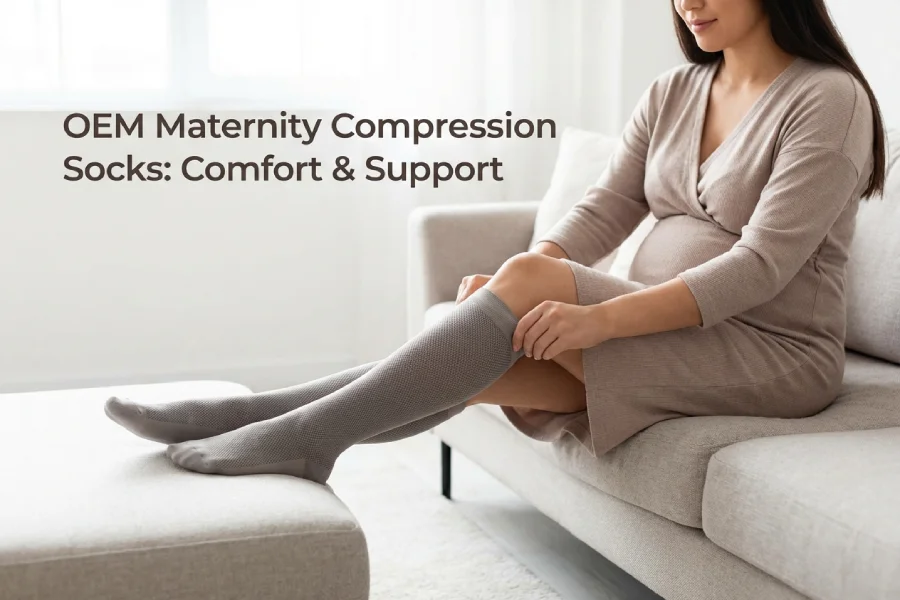
Products worn through pregnancy, when fit requirements change over time. The brief usually centers on calf and ankle measurement, cuff comfort, easy on/off, and how clearly the sizing is explained to the end customer.

Learn More
Healthcare & Nurses Compression Socks

Healthcare & Nurses

Workwear worn for long shifts and laundered frequently. That puts the emphasis on moisture management, cushioning, wash durability, size coverage, and how the sock fits an existing uniform or scrub range.

Learn More
Travel Compression Socks

Travel & Flight

Products worn for extended periods in transit and across changing climates. The main decisions are long-wear comfort, calf-based sizing, footwear compatibility, and whether the product reads as a lifestyle or a wellness item.

Learn More

Ready to Start Your Sports Compression Socks Project?

Tell us about your business and requirements. Our team will respond within 24 hours with product recommendations and pricing for your specification.

Day 1-2

Inquiry & Consultation

Share your project details, and our experts will reply within 24 hours with price and solutions.

Day 3-7

Sample Development

We craft samples to your specs and send approval photos within 3-7 days.

Day 8-10

Sample & Order Confirmation

Confirmation Review your samples and request any refinements. Upon approval, we finalize your order details with a deposit to begin production.

Day 20-30

Bulk Production

Production time varies by quantity; regular production time is 3-4 weeks.

Day 20-30

Quality Inspection & Shipping

We will ship the bulk order after QC inspection. Choose between express air shipping (5-7 days) or sea freight (3-5 weeks) for most areas. Transit times are estimates and may extend for remote destinations, customs inspection, or peak-season congestion.

🔒Your information is secure. We’ll respond within 24 hours with a customized proposal.

Get Your Custom Socks Quote Today

Fill out the form below and our team will contact you within 24 hours with personalized recommendations and pricing.

🔒Your information is secure.
If you experience any issue submitting the form, please contact us at [email protected]. We usually respond within 24 hours with next steps for your project.

Don’t Miss Out: Read This Before You Order Socks

Swipe Our “10 Killer Questions” Checklist

Every serious buyer uses these questions to expose hidden defects, slash lead-time, and squeeze the best price from any sock supplier.

Free download • No purchase required

🔥Exclusive Download for Pro Buyers