

Why Ankle Swelling Happens (And How Compression Socks Help)
Ankle swelling is more than just an uncomfortable nuisance; it’s a signal that something might be off in your body. Whether it’s from long hours of standing, the strain of a rigorous workout, or even medical conditions like arthritis or pregnancy, swollen ankles are a common issue that many people struggle with. For brands and retailers, offering effective solutions is key to customer satisfaction. Compression socks are among the most trusted remedies for this widespread problem, providing targeted pressure to reduce fluid buildup and promote circulation.
Ankle swelling occurs when gravity and poor circulation cause fluid to become trapped in your lower legs. Compression socks counteract this by applying gentle, graduated pressure. This external squeeze supports your veins, helping push the stagnant fluid back up towards your heart, which directly reduces swelling and eases discomfort.
In this guide, we’ll dive into why swelling occurs, how these socks offer relief, and what to look for when selecting the best options for your customers. Ready to explore how compression socks can change the game for ankle swelling? Let’s get started!

Types of Compression Socks for Ankle Swelling
Two cases sit outside the list below: when the toes swell as well as the ankle, an open-toe compression sock lets the wearer check the skin without undressing the foot; and when the swelling is persistent rather than end-of-day, the firmer medical compression tier is the one to specify.
When choosing compression socks for ankle swelling, it’s important to understand the different types available. Each type is designed for specific needs, providing comfort and effectiveness for different situations.
Graduated Compression Socks: Why They’re the Best Choice
Graduated compression socks are the most popular choice for ankle swelling. These socks are designed to apply the most pressure at the ankle and gradually decrease as they move up the leg. This helps improve circulation, allowing excess fluid to move out of the ankle and back into the bloodstream. For brands and retailers, offering these socks ensures you’re providing a reliable solution for most customers.
Anti-Embolism Socks vs. Daily Wear: What’s the Difference?
Anti-embolism socks are mainly used in hospitals to prevent blood clots in bedridden patients. They apply consistent pressure across the entire leg. Daily wear socks, on the other hand, are for people who experience mild swelling from standing or sitting for long periods. These socks are more flexible and comfortable for everyday use.
Sport-Specific Compression Socks for Active Lifestyles
For active people, sport-specific compression socks are a great option. They are designed to provide support during high-impact activities or long events. These socks help reduce ankle swelling caused by physical activity and speed up recovery. Retailers can meet the needs of athletes by offering these specialized socks.
Custom Medical Compression Socks for Severe Cases
For severe cases of ankle swelling, such as those caused by chronic conditions, custom medical compression socks may be needed. These socks offer the highest level of compression to manage serious swelling or fluid buildup. By working with a factory to offer custom options, you can meet the unique needs of customers with more serious swelling issues.
Top Compression Sock Features for Maximum Effectiveness
To ensure that compression socks provide the best possible relief, it’s essential to consider certain key features. These factors contribute to the overall effectiveness, comfort, and durability of the socks, making them more appealing to your customers.
Understanding mmHg: The Secret to Perfect Pressure Levels
mmHg (millimeters of mercury) is the unit of measurement used to determine the pressure applied by compression socks. The higher the mmHg, the more pressure is exerted. For ankle swelling, socks with a pressure range of 15–20 mmHg are typically recommended for mild cases, while higher levels, like 20–30 mmHg, are better for more severe swelling. Knowing the right pressure level to offer your customers will ensure they get the most effective treatment for their specific needs.
Best Fabrics for Breathable, All-Day Compression Socks
The fabric used in compression socks plays a crucial role in their comfort and longevity. For everyday use, materials like nylon and spandex provide both stretch and durability, while still allowing the skin to breathe. Cotton blends are also popular for their softness, though they might not offer the same level of compression as synthetic fabrics. Offering breathable, lightweight fabrics will ensure that your customers can wear their socks comfortably all day long without worrying about overheating or discomfort.

Seamless Toes & Reinforced Heels: Design Features That Matter
The design of compression socks can make a significant difference in user experience. Seamless toes eliminate irritation and discomfort that can occur during long hours of wear, while reinforced heels enhance durability and prevent wear and tear. These small design features greatly improve the socks’ functionality, making them a more attractive option for customers seeking both comfort and effectiveness.
Moisture-Wicking Technology for Long-Term Comfort
Compression socks that incorporate moisture-wicking technology help keep feet dry by drawing sweat away from the skin. This feature is especially beneficial for individuals on their feet for extended periods or those who engage in physical activities. By offering socks with this technology, you can provide your customers with a more comfortable, long-lasting product that keeps their feet feeling fresh and dry throughout the day.
How to Choose the Right Compression Sock for Ankle Swelling
Choosing the right compression sock for ankle swelling can make all the difference in providing effective relief. Here’s what to consider to ensure you’re offering the best options for your customers.
Material Matters
Prioritize breathable, sweat-wicking fabrics (e.g., nylon-spandex blends) to prevent irritation and ensure elasticity. Avoid non-breathable synthetics for long-term wear.
Style Selection
Choose knee-high, thigh-high, or full-length styles based on swelling severity and activity (e.g., knee-high for office work, thigh-high for extended travel).
Size Charts and Fit Guides
Proper fit is crucial when selecting compression socks. A sock that’s too tight can cause discomfort, while one that’s too loose won’t provide the necessary pressure. Be sure to use accurate size charts and fit guides to help customers select the right fit. Many brands provide these guides online, and taking the time to educate your customers will ensure they get the best results from their socks.
Matching Compression Levels to Your Customers’ Needs
Compression socks come in various pressure levels, measured in mmHg (millimeters of mercury). For mild ankle swelling, socks with 15–20 mmHg offer gentle relief. For more serious swelling, socks with 20–30 mmHg provide stronger compression. When advising your customers, consider their needs—whether they’re looking for everyday relief or treatment for more severe conditions. Offering both options will ensure that you’re catering to a wider range of needs.
When to Recommend Mild vs. Firm Compression Socks
Mild compression socks (15–20 mmHg) are suitable for individuals who experience minor swelling due to long hours of standing or sitting. Firm compression socks (20–30 mmHg) are recommended for people dealing with more persistent swelling or those recovering from surgery or an injury. Understanding these differences will help you recommend the most effective solution for your customers’ specific situations.
How to Properly Wear Compression Socks for Ankle Swelling
Fit comes before technique: the step-by-step measuring guide covers taking the ankle and calf measurements, and how to put on compression stockings covers getting a firm pair on without fighting it.
Wearing compression socks correctly is essential to achieve the best results in reducing ankle swelling. Here’s a simple guide to ensure proper use and comfort.
Step-by-Step Guide for Putting on Compression Socks
- Start with Clean Feet: Before wearing your compression sock, make sure your feet are clean and dry. This will prevent irritation and ensure the sock fits snugly.
- Roll the Sock Down: Begin by rolling the sock down to the toe area, creating a small cuff. This makes it easier to get your foot inside.
- Insert Your Foot: Carefully slide your foot into the sock, ensuring your toes are properly positioned at the end.
- Pull Up Slowly: Gradually pull the sock up over your ankle and leg. Take your time to avoid bunching or twisting the fabric. The sock should feel snug but not too tight.
- Adjust for Comfort: Once the sock is in place, adjust it to make sure it sits comfortably around your ankle and lower leg without any wrinkles.
Tips for Maximizing Effectiveness and Comfort
- Wear the Right Size: Ensure that the compression sock fits perfectly to avoid discomfort or ineffective compression.
- Don’t Wear Too Tight: While compression is important, wearing socks that are too tight can lead to discomfort or restrict blood flow.
- Put Them On in the Morning: To get the best results, wear compression socks in the morning before your legs get swollen. This helps prevent fluid buildup throughout the day.
- Avoid Folding the Sock: Folding or rolling down the top of the sock can affect the compression level and reduce its effectiveness.
- Give Your Legs Breaks: If wearing compression socks for long hours, give your legs some rest during the day by elevating them whenever possible. This will help improve circulation even further.
Additional Tips and Treatments for Ankle Swelling
The wider benefits — circulation, athletic recovery, vein health — belong to the general swelling discussion rather than to ankles; compression socks for swelling covers those, and what causes edema covers where the fluid comes from. If it is the calf rather than the ankle that does not fit, the answer is a wide calf block, not a looser pair.
While compression socks are highly effective, combining them with other treatments can enhance their benefits and offer faster relief for ankle swelling.
Elevation and Exercise for Swollen Ankles
One of the simplest yet most effective treatments for swollen ankles is elevation. By elevating the legs above heart level, you help fluids move away from the ankles, reducing swelling. This can be done by resting with feet up on pillows or a raised surface. Additionally, light exercises, such as ankle rotations or walking, can stimulate circulation and prevent fluid from accumulating in the ankles. These practices, combined with wearing compression socks, can speed up recovery and reduce swelling.

Ice and Heat Therapy for Ankle Swelling
Applying ice to the swollen area can help reduce inflammation and numb any discomfort, while heat therapy can relax muscles and improve blood flow. Alternating between ice and heat treatments, especially when used alongside compression socks, can speed up recovery and provide more comprehensive relief.
When to See a Doctor for Ankle Swelling
While mild swelling can often be managed at home, persistent or severe swelling may require medical attention. If the swelling doesn’t go down after a few days of using compression socks, or if it’s accompanied by pain, redness, or warmth, it’s important to consult a healthcare provider. This could be a sign of a more serious underlying condition, such as a blood clot or infection.
Partner with Us: Custom Compression Socks for Your Brand
Expand Your Lineup with High-Performance Custom Solutions
Yarn is specified per style — breathable nylon and polyester with wicking finishes, cotton blends where softness matters — together with seamless toe closure and silicone cuff options.
Differentiation Through Brand-Centric Design Options
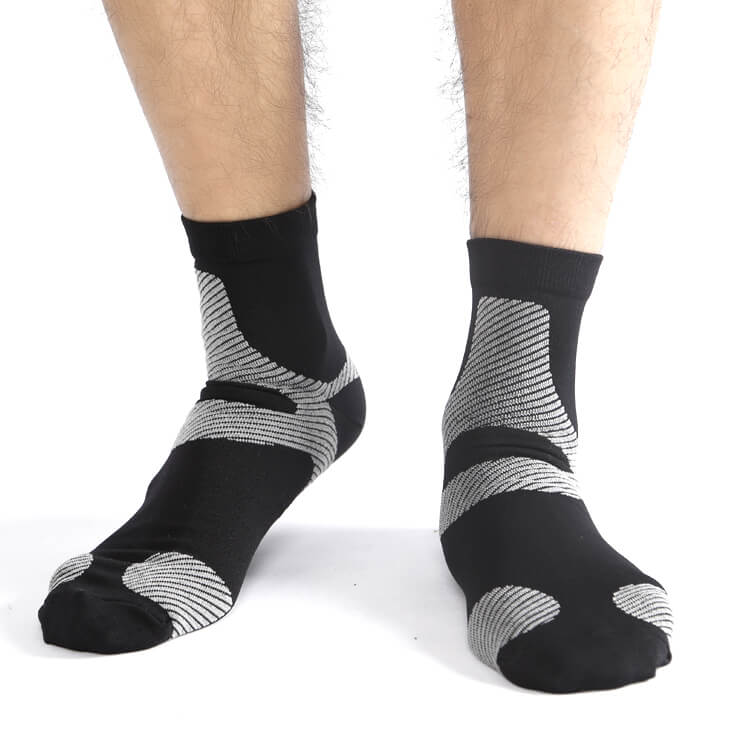
Incorporate logos, brand colors, and patterns to create visually unique compression socks that align with your identity—no design skills needed, as our team provides mockups and catalog inspiration.
Precision Compression Levels for Targeted Solutions
Specify across 8–15, 15–20 and 20–30 mmHg — light daily support through to the firmer medical compression tier. MOQ is 500 pairs per design in a single colour and size, and it is the same at every pressure level, as is the 25–30 day bulk lead time.
Protective Packaging That Sells Your Vision
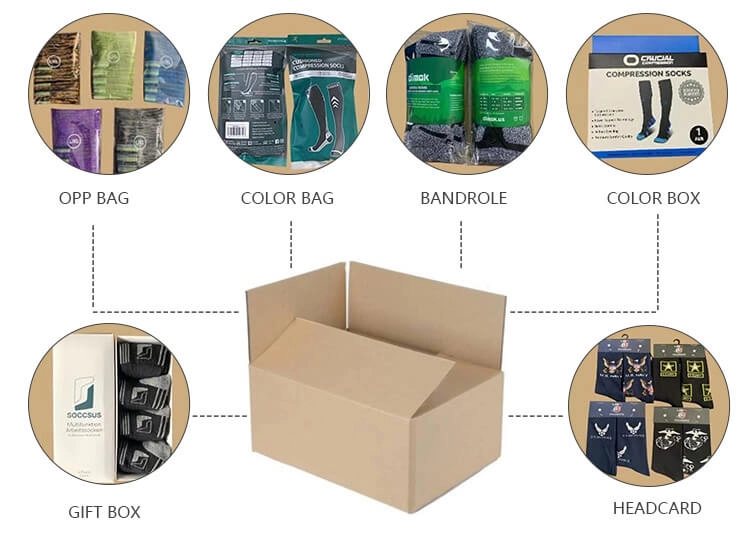
Elevate unboxing with ready-to-brand packaging templates (boxes, recyclable bags) optimized for e-commerce, retail, or bulk orders.
Quality Built to Last: Inspection and Pressure Testing
Inline QC and pre-shipment inspection at AQL 2.5. Bulk pressure is measured on a Swisslastic MST MK V and each production run ships with its pressure report. We hold FDA establishment registration and device listing (Reg. 3012251300).
Learn more details about custom compression socks.


FAQs
How do I start a custom order for compression socks?
Simply contact us with your design specifications, including desired colors, logos, and any other custom features. Our team will guide you through the process.
What types of packaging customization do you offer?
We offer custom packaging options, including branded boxes, bags, and tags, so you can present your compression socks professionally to your customers.
Can I change the yarn or material for a custom order?
Yes. Yarn is specified per style — cotton and polyester blends, nylon with elastane, wool on a higher MOQ — and we quote against the spec you send.
Do you provide logo placement and design assistance for custom socks?
Yes, we can help with logo placement and design, ensuring that your brand is prominently featured and matches your vision.
Do you offer custom compression socks for specific industries (e.g., healthcare or sports)?
Yes, we specialize in creating compression socks for various industries, including healthcare, sports, and everyday use, tailored to meet specific needs.