

Introduction
Finding the right fit for compression socks is more important than you might think. If they’re too tight, they can cause discomfort and even affect circulation, leading to potential health issues. On the other hand, if they’re too loose, they won’t provide the benefits your customers are looking for. For brands and retailers, understanding the balance between compression and comfort is key to providing a product that works.
Yes, compression socks can be dangerously too tight. Instead of a supportive hug, they’ll feel pain and may restrict circulation—the very thing they’re meant to improve. Watch for signs like numbness, skin discoloration, or deep indentations. Accurate calf and ankle measurement is crucial for a safe and effective fit.
In this article, we’ll break down why tightness matters, how to recognize if compression socks are too tight, and what you can do to ensure you’re offering the right fit for your customers. By getting it right, you’ll help your customers feel their best and ensure they get the most out of their compression socks.
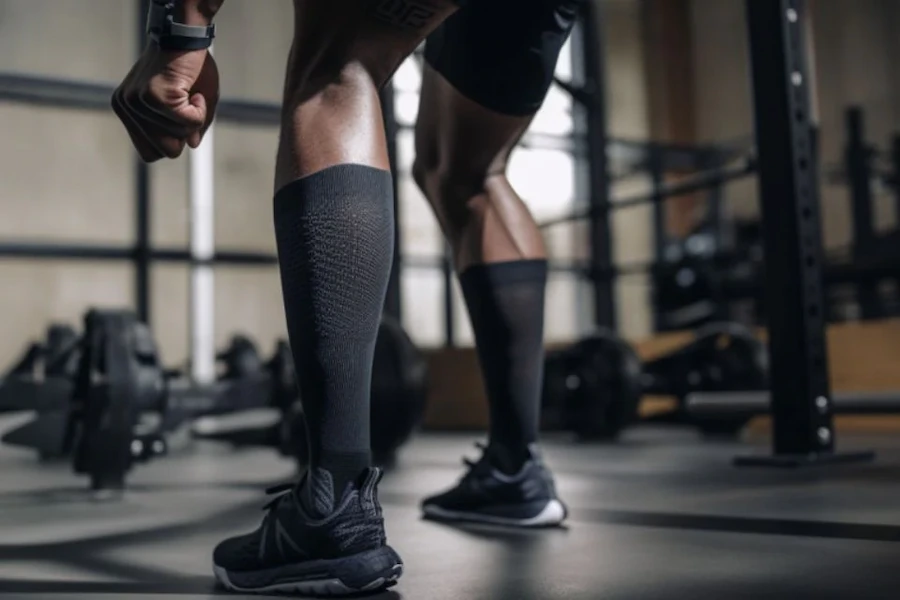
How Compression Socks Work (And Why Fit Is Critical)
Compression socks are designed to provide targeted pressure to the legs, improving circulation and supporting muscle recovery. They come in various compression levels, typically measured in mmHg (millimeters of mercury). For everyday use, socks with lower compression, like 10–20 mmHg, offer general comfort and relief from fatigue. Compression of 20–30 mmHg or higher may be used for selected venous conditions under clinical guidance. After DVT, stockings may be used for leg symptoms; they do not replace treatment for the clot itself.
The right level of tightness is essential because it helps blood flow more efficiently, reducing swelling and supporting recovery after exercise. However, when compression becomes too tight, it can have the opposite effect, restricting circulation and causing discomfort. This is why understanding how tightness affects the body is crucial for both performance and health.
What Happens When Compression Socks Are Too Tight?
If compression socks feel too tight or cause aching, check their fit and follow the symptom advice below. Instead of helping blood flow, overly tight socks can restrict it, leading to discomfort and even pain. Excessive or uneven pressure can cause pain or skin problems; symptoms alone do not establish the cause. This can result in swelling, a feeling of heaviness, or numbness in the feet and legs.
Aside from discomfort, the health risks of wearing overly tight compression socks are significant. Poorly fitted garments can cause pressure-related skin or nerve injury. A tourniquet effect can also contribute to superficial vein thrombosis in susceptible circumstances. Customers with pre-existing conditions, including diabetes or circulation problems, need an individual suitability and fit assessment. It’s crucial to ensure that compression socks are comfortable and fit properly to avoid these potential complications.
How to Identify If Compression Socks Are Too Tight
It’s important to check if your compression socks are the right fit to ensure they are working effectively without causing harm. Here are a few signs to look out for to make sure your socks aren’t too tight.
5 Signs That Your Compression Socks Are Too Tight

- Visible Indentations or Marks – If you notice deep lines, indentations or skin color changes ( such as white, red, or blue ) on your skin after removing the socks, it may be a sign that they are too tight.
- Swelling or Numbness – Excessive tightness can restrict blood flow, leading to swelling in your feet or legs. Numbness or a tingling sensation can also occur.
- Pain or Discomfort – If your compression socks cause pain, especially in the calves, feet, or ankles, they may be applying too much pressure.
- Difficulty Putting Them On or Taking Them Off – If putting on or removing your compression socks is a struggle, they might be too small or tight for your body.
- Leg Heaviness or Fatigue – While compression socks are meant to reduce fatigue, if they are too tight, they can cause a heavy or tired feeling in the legs, making movement uncomfortable.
How to Check for Discomfort or Restricted Blood Flow
To assess whether the fit is too tight, start by checking for any physical signs like redness, irritation, or marks on the skin. You should also pay attention to how your legs feel throughout the day. If they start feeling numb, cold, or overly fatigued, it could be a sign that the compression socks are restricting blood flow.
It’s crucial to find a balance between compression and comfort. A snug fit is ideal, but it should never cause pain or discomfort. Testing the fit with these simple checks can help identify fit problems and signs of discomfort.
Can Compression Socks Be Too Tight for Specific Conditions?
Neuropathy is the case where the usual safeguard fails, because the warning signs above are things the wearer may not feel — compression socks for neuropathy covers what changes.
Compression socks can be helpful, but it’s important to consider certain health conditions when choosing the right fit.
Safety Considerations for People with Diabetes or Poor Circulation
People with diabetes or poor circulation need to be careful when wearing compression socks. If the socks are too tight, they can restrict blood flow, which can make circulation problems worse. If you have diabetes or circulation problems, seek an individual assessment before choosing compression; a lower pressure label does not by itself remove the risk. A proper fit is essential to help improve circulation without causing discomfort or harm (source: Cleveland Clinic).
Are Compression Socks Safe During Pregnancy?
Pregnant women often experience leg swelling, and compression socks can help. However, wearing socks that are too tight can restrict blood flow and cause more discomfort. Pregnancy alone does not determine a pressure range. Ask your maternity team about suitability and fit rather than relying on a universal mmHg recommendation. Pregnant customers should consult their doctor to make sure they choose the right fit for their needs (source: March of Dimes).
How to Choose the Right Compression Sock Fit
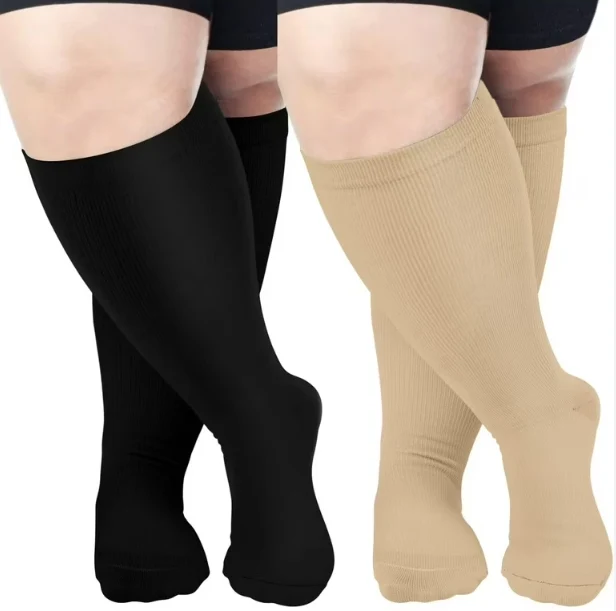
Fit starts from two measurements — the narrowest point of the ankle and the widest point of the calf — not from shoe size alone. Also measure length and any other dimensions required by the product’s size chart. The full method is in our step-by-step measuring guide , and what size compression socks your customers need covers choosing from a size chart. If the calf is the part that does not fit, the answer is usually wide calf compression socks rather than a looser pair.
Proper Wear and Adjustment of Compression Socks
Wearing compression socks correctly is just as important as choosing the right fit. Follow these guidelines to ensure your customers get the most out of their socks. Learn more about proper wear from the National Library of Medicine.
How to Put On and Adjust Compression Socks for Maximum Comfort
Putting on compression socks may feel a bit tricky at first, but with the right approach, it becomes easier. Here’s how to do it properly:
- Follow the donning instructions: commonly, turn the stocking inside out to the heel, position the foot and heel, then ease it up without rolling or bunching.
- Pull up slowly: Gently pull the sock up your leg, making sure it’s smooth with no wrinkles. Adjust it gradually to ensure even compression across the entire leg.
- Position correctly: The socks should sit comfortably without pinching. Make sure the top edge isn’t rolling down, and the sock fits snugly without cutting off circulation.
Read our step-by-step guide on how to put on compression socks for more help.
Common Mistakes to Avoid and How to Avoid Them
Here are a few common mistakes to watch out for:
- Pulling too hard: Overstretching compression socks can damage the fabric and reduce their effectiveness. Instead, take your time and gradually pull them on.
- Wearing them too loosely: If the socks are too loose, they won’t provide the necessary pressure. Ensure the socks are snug but not painfully tight.
- Not adjusting regularly: Throughout the day, it’s important to check that the socks haven’t slipped or become bunched up, as this can affect their performance.
By following these steps, you can help your customers wear their compression socks correctly, supporting appropriate fit and comfort.
What to Do If Compression Socks Feel Too Tight
If compression socks feel too tight, it’s crucial to take the proper steps to avoid discomfort or potential health issues. Here’s what you can do if the fit isn’t right.
Steps to Take If You Experience Discomfort or Health Issues
- Remove the Socks: If the socks are causing discomfort, or you’re feeling numb or tingly sensations, take them off immediately to relieve the pressure.
- Check the Fit: After removing the socks, look for any marks or indentations on your skin. These could be signs that the socks were too tight. If you notice such marks, the fit may need to be adjusted.
- For new numbness, pain or colour changes, seek clinical advice before wearing the garment again; do not rely on resizing alone. Adjust the Size: Re-measure the size of the legs, including the thinnest part of the ankle, the thickest part of the calf, and the thigh circumference if you’re using thigh-high socks. Based on these measurements, refer to the size chart to select the appropriate sock size. For those with thicker calves, consider choosing a style with a wider calf for a better fit.
- Review the Fit and Prescribed Pressure: If the current socks feel too tight, check the fit and product instructions and seek advice before changing a prescribed pressure. Do not select or change compression for clot prevention on your own. If a garment causes new numbness or pins and needles, remove it and contact your healthcare professional. Be sure to select the right compression level based on your needs.
When to Consult a Medical Professional
If discomfort continues or if you experience unusual symptoms like persistent pain, swelling, or redness, it’s time to consult a healthcare provider. A medical professional can assess your situation and recommend the best options for your needs. Seek urgent assessment for new one-sided leg pain or swelling; seek emergency care if accompanied by chest pain or breathlessness.
This is especially important for individuals with pre-existing conditions such as diabetes, varicose veins, or poor circulation, as they may require specific compression levels to ensure both safety and effectiveness.
Conclusion
Two related reads: how tight compression socks should be covers what a correct fit feels like, and why legs ache after wearing compression socks covers the aching that is not caused by tightness.
Getting the right fit for compression socks is key to ensuring comfort and improving circulation. Whether your customers need them for everyday wear, health reasons, or sports recovery, choosing the right size and compression level is essential for effectiveness.
If you’re a brand or retailer looking to offer the best compression socks, make sure you understand your customers’ needs and help them find the perfect fit. If you’re interested in customizing compression socks for your brand, contact us today. Let’s work together to create high-quality products that your customers will love.
FAQs
Can compression socks be used for all types of activities?
Suitability depends on the activity, fit and any clinical advice. Compression socks can be used for various activities, including sports, long hours of standing, or even daily wear for better circulation. Choose a suitable garment according to its intended use and any clinical advice.
What are the benefits of offering custom compression socks to my customers?
Custom compression socks can enhance your brand’s identity and provide a tailored experience for your customers. Offering unique designs, colors, and sizes helps set your products apart and can improve customer satisfaction.
How long do compression socks last?
With proper care, compression socks can last for months. We ensure durability by using high-quality materials and precise manufacturing processes. Customers should follow care instructions to maintain their socks’ effectiveness.
Can compression socks be used for both men and women?
Yes, compression socks are available in various sizes and designs for both men and women. We offer custom sizing to provide fit options for a wider range of customers.
What sizes do you offer for compression socks?
We offer a wide range of sizes, from small to extra-large, providing fit options for a wider range of customers. Custom sizing options are also available to meet specific needs or accommodate unique requirements.