

The main difference is pressure. Diabetic socks are generally comfort-focused and may use a non-binding top, smooth toe construction and cushioning. Compression socks apply a defined pressure profile, usually stated in mmHg.
Introduction
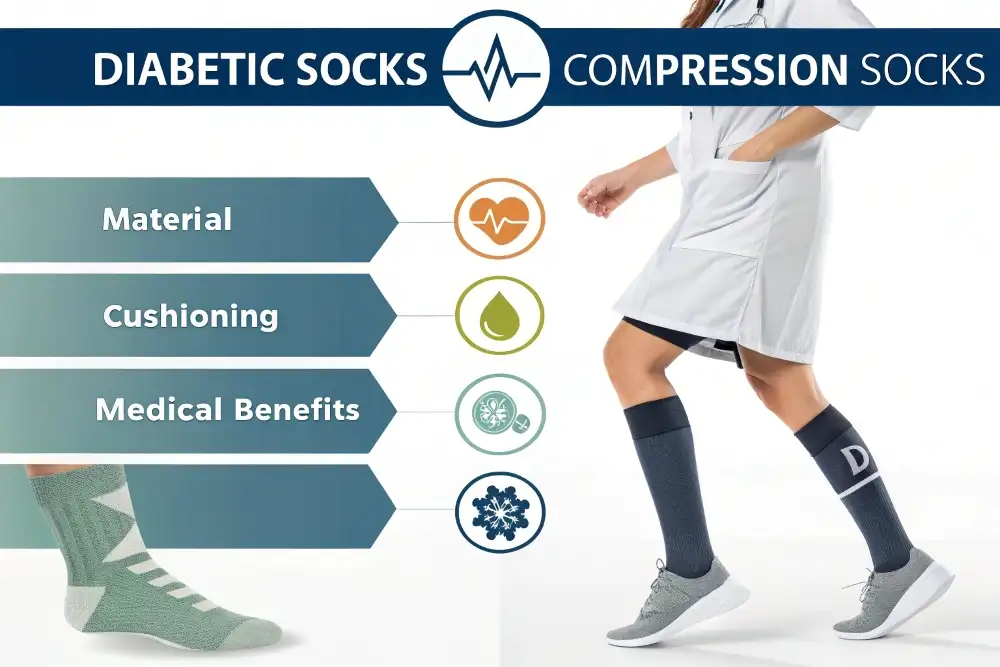
For brands and retailers, diabetic socks and compression socks are separate product categories rather than interchangeable names. The correct category depends on the intended specification and wearer needs.
Understanding the construction, pressure, sizing and labeling differences helps buyers create a clearer assortment and avoid unsupported health claims.
Diabetic Sock Basics: Core Functions and Features
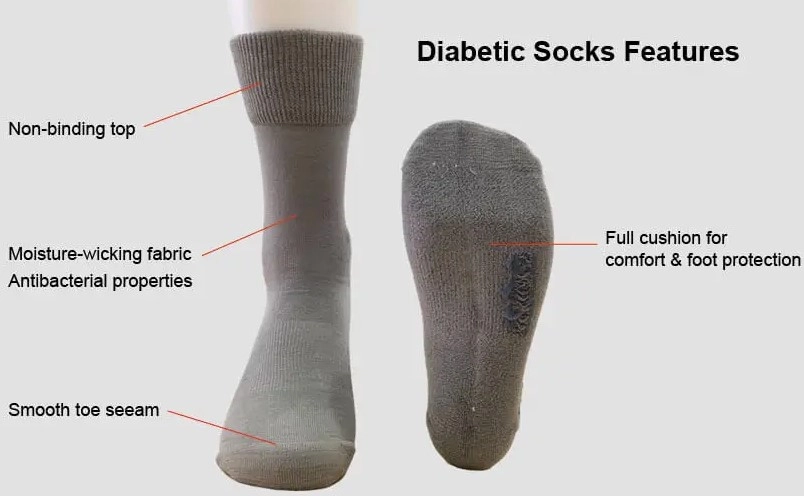
Diabetic socks are commonly developed as comfort-focused socks for people who need careful daily foot care. Product features can reduce common sources of friction or pressure, but socks do not replace foot inspection or clinical care.
Seamless Design to Minimize Friction
A smooth toe construction reduces the prominence of the internal seam ridge. The finished fit still needs to be checked because any sock can wrinkle or rub when the size is unsuitable.
Cushioning for Pressure Relief
Cushioning can be specified in the sole, heel or toe to change feel and contact with footwear. Its position and thickness should match the intended shoe and size range.
Moisture Management and Breathability
Cotton-rich, wool-blend and engineered yarn options can be selected for softness, moisture management, warmth or durability. Performance depends on the complete yarn and construction specification.
Non-Binding Construction for Circulation
A non-binding top is designed to avoid a conventional tight cuff. It should still hold the sock in place without rolling or creating a narrow band.
These features can support a comfort-focused daily sock routine, while daily skin checks remain important for people with diabetes.
Compression Socks 101: Functionality Beyond Circulation
Compression socks apply controlled pressure to the leg. Graduated designs state their pressure in mmHg and apply the highest stated pressure near the ankle, decreasing farther up the leg.
Compression is used in different clinical, travel and activity contexts, but suitability and expected effects depend on the individual, pressure, fit and reason for use.
A healthcare professional should assess medical or post-procedure use. A general product description should not be treated as a prescription or a guarantee of preventing a clot or improving recovery.
Diabetic Socks vs Compression Socks: Side-by-Side Functional Use

Diabetic socks focus on comfort-related construction such as a non-binding top, smooth toe and cushioning. They do not necessarily provide graduated compression.
Compression socks focus on a measurable pressure profile. For a person with diabetes, circulation, sensation, skin condition and the cause of swelling should be considered before use.
A product can combine comfort features with a defined mild-compression specification, but this does not make it suitable for every person with diabetes. Individual use and pressure should be assessed appropriately.
Diabetic Sock Materials & Construction: Safety First

The materials used in diabetic socks are essential to ensuring comfort, protection, and safety. Soft, breathable yarns such as merino wool and treated cotton blends are common choices for diabetic socks. Merino wool, known for its natural softness and moisture-wicking properties, helps keep feet dry while providing warmth. Treated cotton blends offer a lightweight, comfortable fit, while also ensuring breathability, which helps reduce irritation and overheating.
Antimicrobial yarns or finishes may be specified where relevant. Any antimicrobial statement should match supplier documentation and must not be presented as proof that the sock prevents infection or ulcers.
Smooth toe linking, cushioning, yarn selection and top construction are specification choices. Their performance should be evaluated on the approved sample and correctly sized finished product.
Compression Sock Engineering: Balancing Pressure and Fit
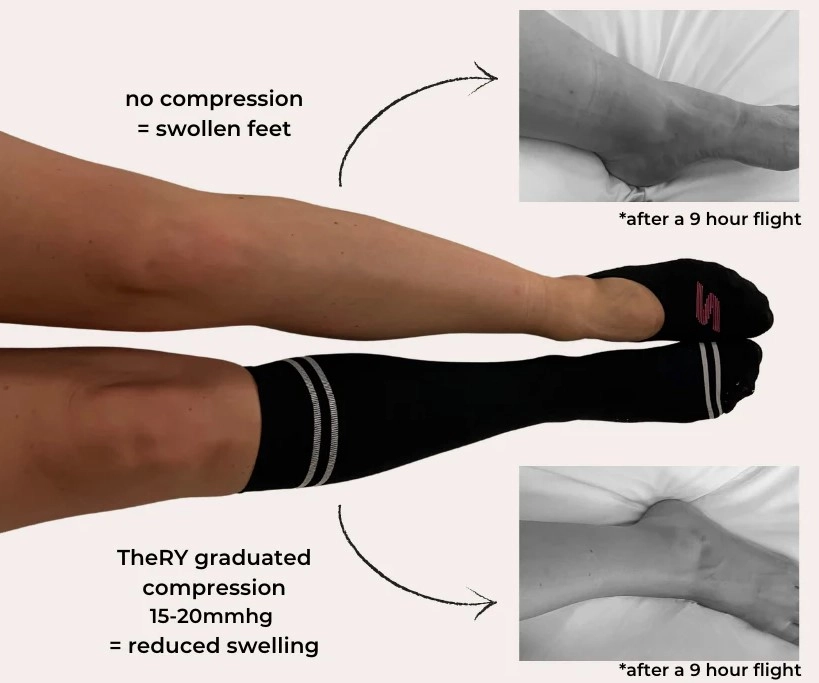
Compression performance depends on the full construction, including elastic yarns, knitting parameters, size grading and finishing. Pressure should be verified against the agreed specification.
Sizing is crucial in compression socks. A proper fit ensures that the socks provide the correct level of pressure. If the socks are too tight, they can cause discomfort or restrict blood flow, while an ill-fitting sock may not provide enough compression to be effective. For brands and retailers, offering a range of sizes and ensuring accurate measurements are key to delivering a product that provides optimal support for the customer.
Correct fit and the specified pressure range are essential. Compression should not be marketed as a universal solution for every wearer or condition.
Who Needs Diabetic Socks? Identifying Your Target Customer

People with diabetes have different foot-care needs. Retail information should describe product construction accurately and direct customers with circulation, sensation, wounds or swelling concerns to an appropriate healthcare professional.
A non-binding sock may also appeal to people who prefer a gentler top. It should not be marketed as a treatment for poor circulation or swelling.
Retailers should explain the measurable product features and avoid promising that a sock will prevent an injury, ulcer, infection or other complication.
Compression Socks’ Broader Market: Beyond Medical Needs
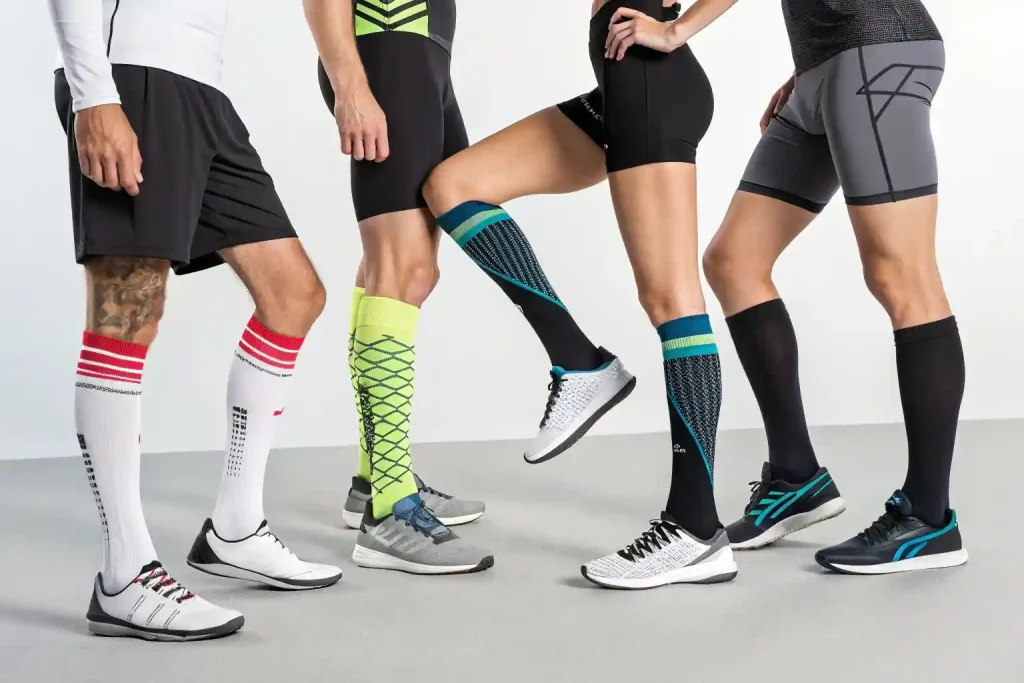
Compression socks also appear in sports and travel ranges. Claims about performance, fatigue or recovery should be limited to evidence appropriate to the specific product and market.
Pregnancy, travel and medical conditions can involve individual risk factors. Product education should encourage professional advice when the wearer has symptoms or a relevant medical history.
Custom Socks: Tailored Solutions for Your Brand
The two categories serve different product needs. Brands developing a comfort-focused style can review our custom non-binding diabetic socks. Programs that call for a defined mild-compression specification can review our 8–15 mmHg custom diabetic compression socks. These manufacturing links do not determine suitability for an individual wearer.
Purchase Guidelines for Your Customers
Diabetic Socks
For diabetic socks, compare top construction, toe linking, cushioning, yarns, size grading and washing requirements. Choose the size from the product measurements rather than assuming that a loose fit is always correct.
Compression Socks
For compression socks, the pressure and size should match the individual recommendation and the product instructions. Do not treat a lower pressure as automatically suitable for a first-time user.
Addressing Misconceptions: When Diabetic Patients Need Compression
A person with diabetes should not self-select compression to manage unexplained swelling. The cause of swelling and the condition of circulation, sensation and skin should be assessed first.
Retailers should distinguish general product information from individual medical advice. For circulation screening, warning signs and daily checks, read Compression Socks and Diabetes: Safety, Screening and Daily Foot Checks.
FAQs
Can a person with diabetes use compression socks? Sometimes, but there is no universal answer. Suitability and pressure depend on circulation, sensation, skin condition and the reason for compression.
Can compression socks be worn during exercise? Some products are designed for activity, but their claims, pressure and fit should be evaluated for the intended user and use case.
Are compression socks used for varicose veins? They may be included in a clinical management plan. Individual pressure and suitability should be determined by an appropriate healthcare professional.
How can diabetic socks be distinguished from regular socks? Compare stated construction features such as the top, toe linking, cushioning, yarns and size range rather than relying only on the product name.
Are diabetic socks automatically suitable for sensitive skin? No product is universally suitable. Check the yarns, seams, fit and any finish, and stop using a sock that causes irritation or a skin reaction.
Conclusion
Diabetic socks and compression socks have different specifications and should be described separately. Accurate construction details and careful medical boundaries help customers make better-informed choices.
Brands and retailers can use the two manufacturing links above to review the appropriate development pathway for a non-binding diabetic style or a professionally specified mild-compression style.