
Custom Work & Safety Socks Manufacturer
Custom work socks designed for your brand and budget. From a first 1,000-pair program — splittable into 500 pairs per color or per size — through large-volume production runs.
Work Sock Styles, Engineered by Function
- Extra-thick terry cushioning over the toe box
- Seamless toe closure to reduce friction at the toe box
- Zoned cushioning for steel-cap comfort
- Built for construction, manufacturing, utilities
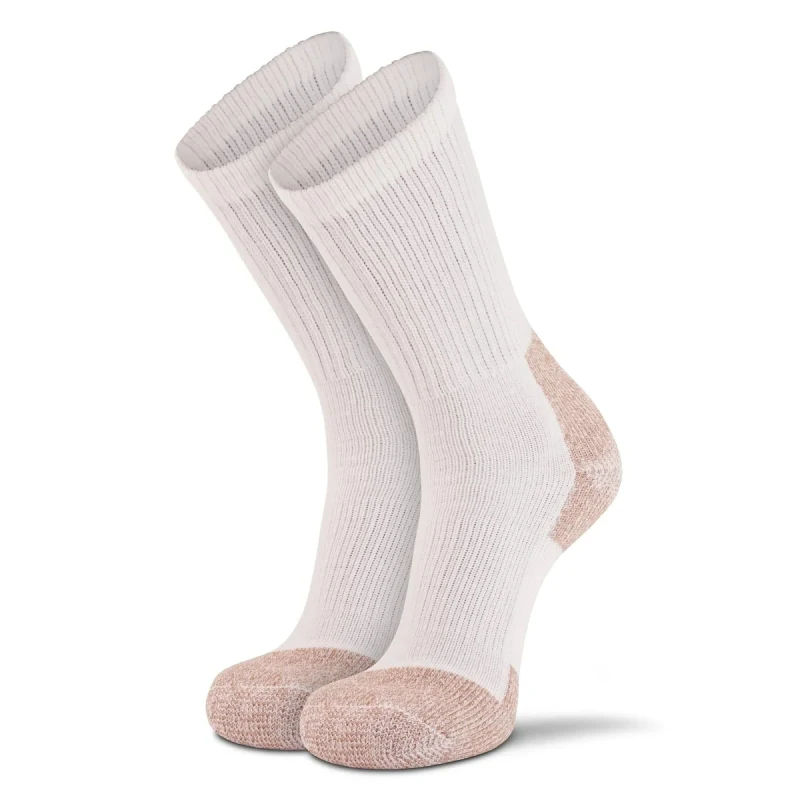
Padded Steel-Cap Crew Sock
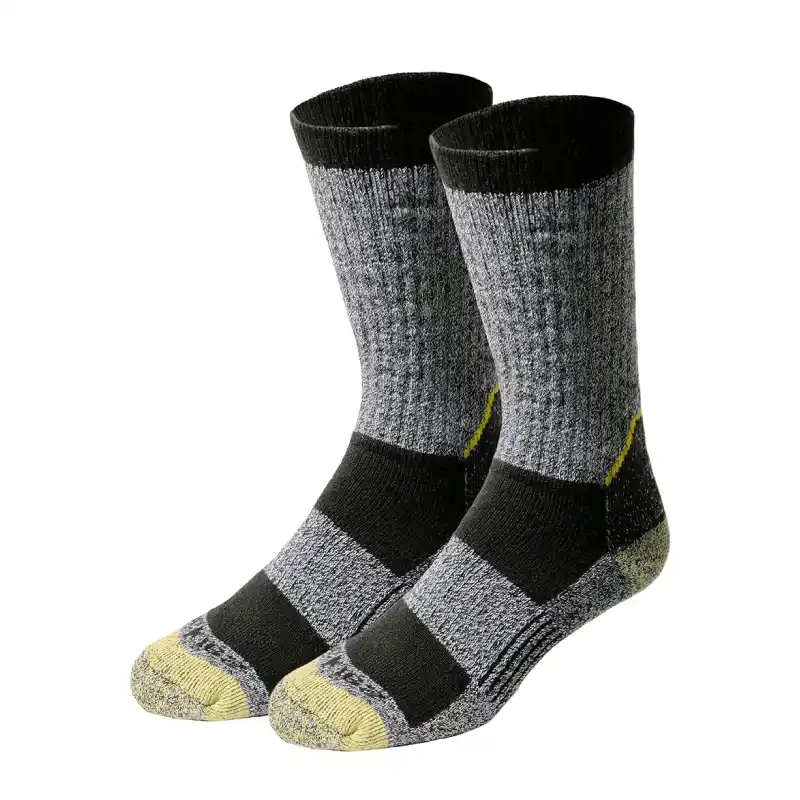
Reinforced Toe Safety Sock
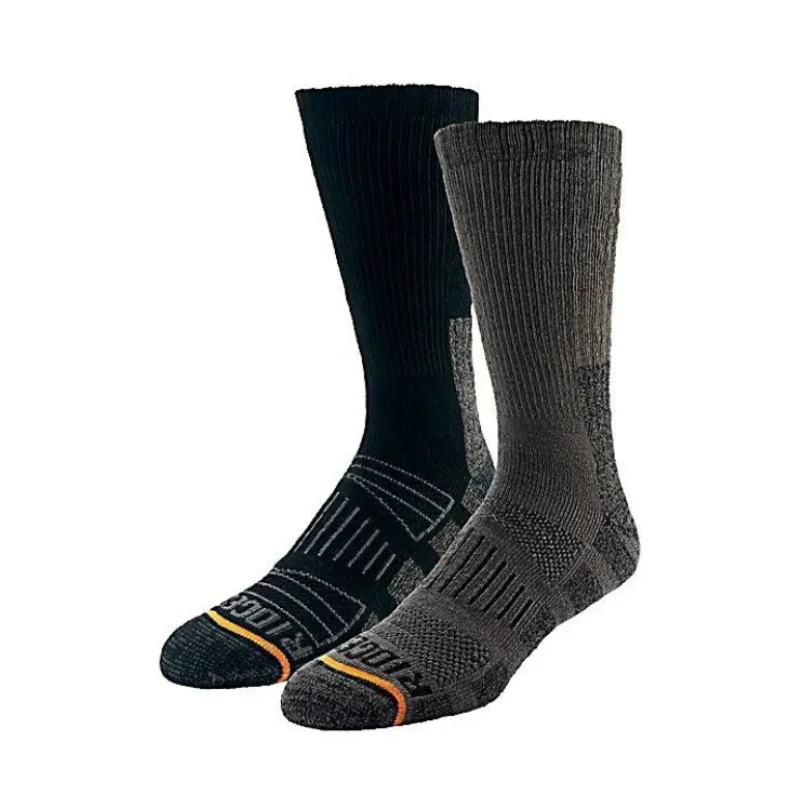
Cushion-Zone Industrial Sock
High-density knit and abrasion-reinforced zones for long shifts on hard ground — with moisture-moving blends for hot, high-sweat sites.
- High-density knit for extended abrasion life
- Reinforced heel, toe and underfoot zones
- Moisture-moving blends for hot, high-sweat shifts
- Built for construction, warehousing, logistics
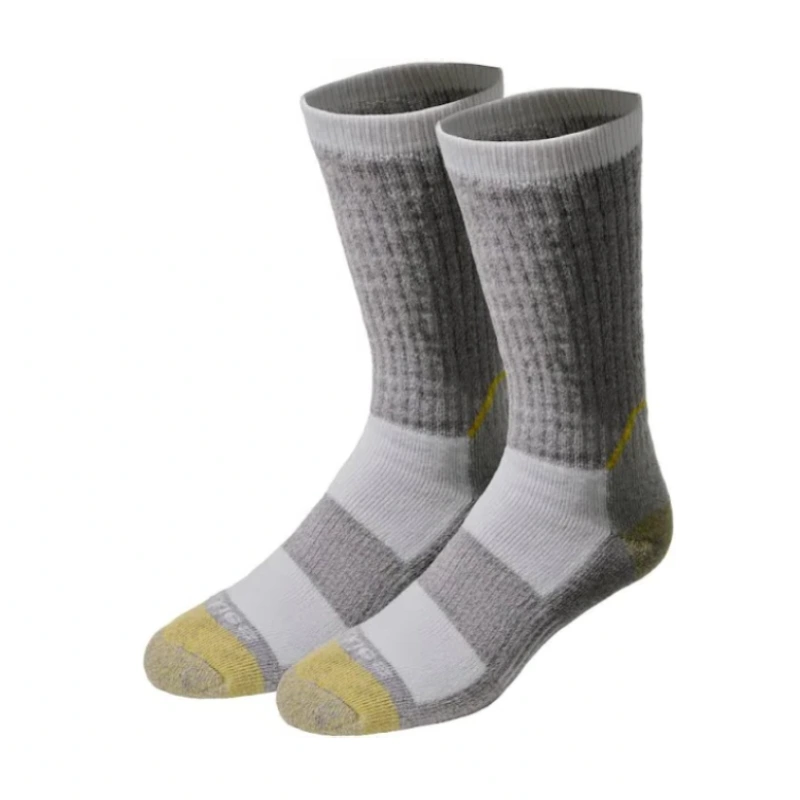
High-Density Wear-Resist Sock
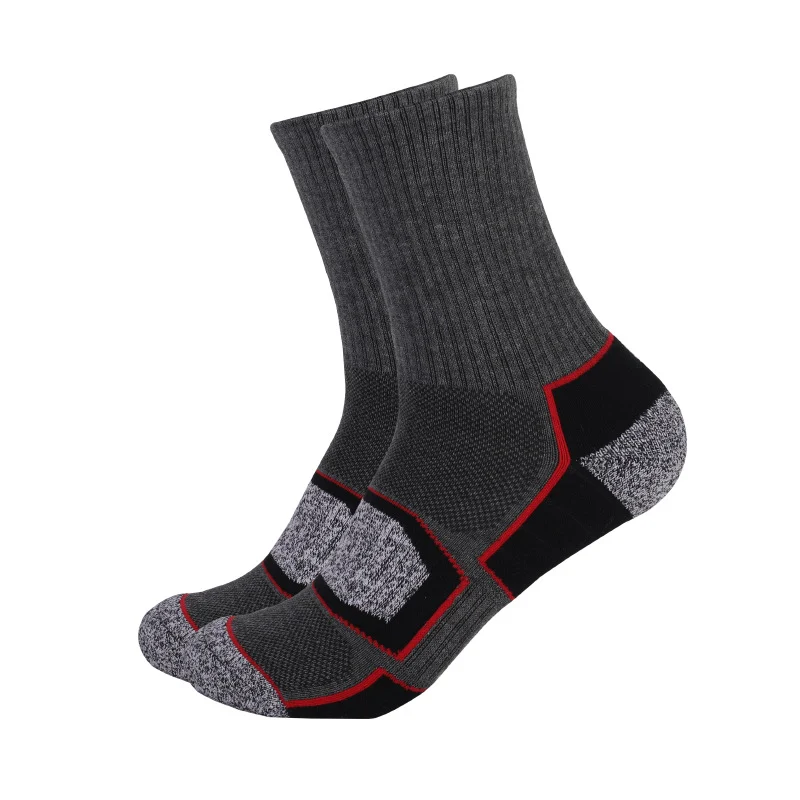
Heavy-Duty Work Boot Sock
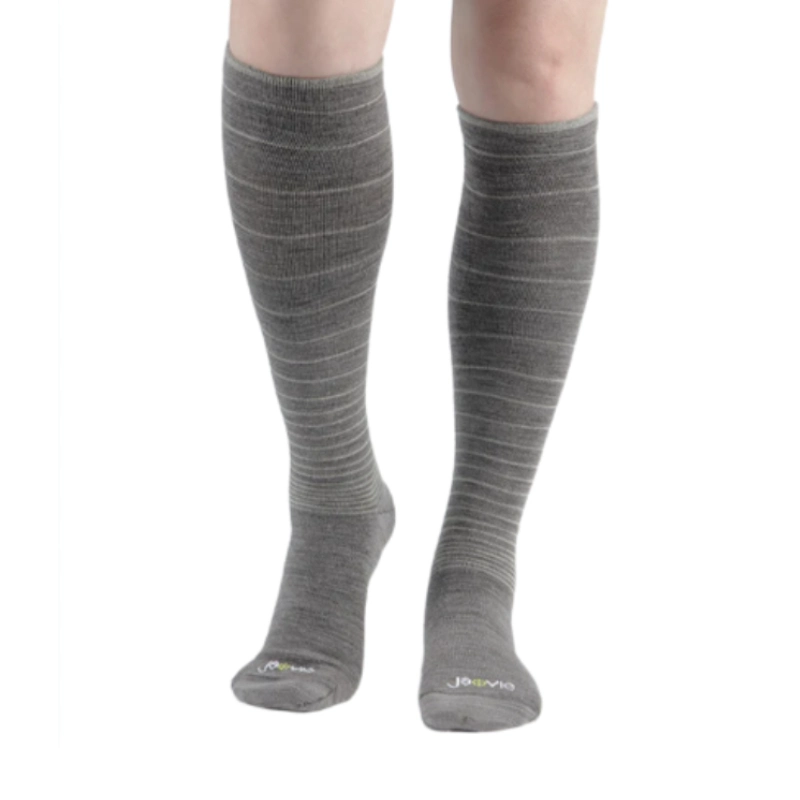
Moisture-Control Bamboo Work Sock
Thermal work socks for outdoor operations in cold, damp conditions — warmth and breathability for field technicians and cold-storage crews.
- Merino wool insulation for low temperatures
- Balanced warmth and breathability
- Moisture-resistant, cold-proof construction
- Built for cold storage, outdoor and utility work
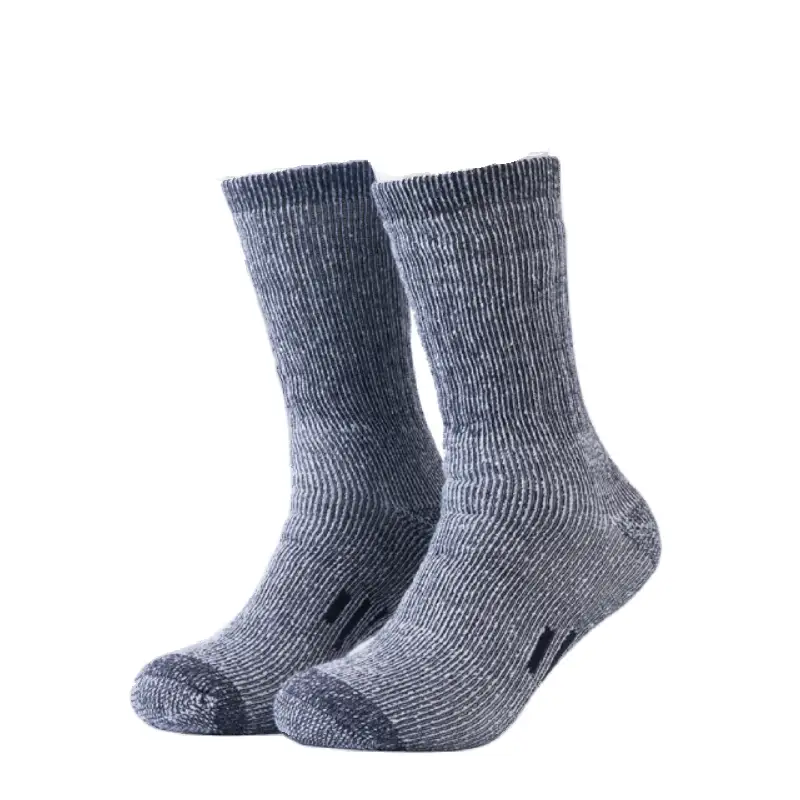
Merino Wool Work Sock
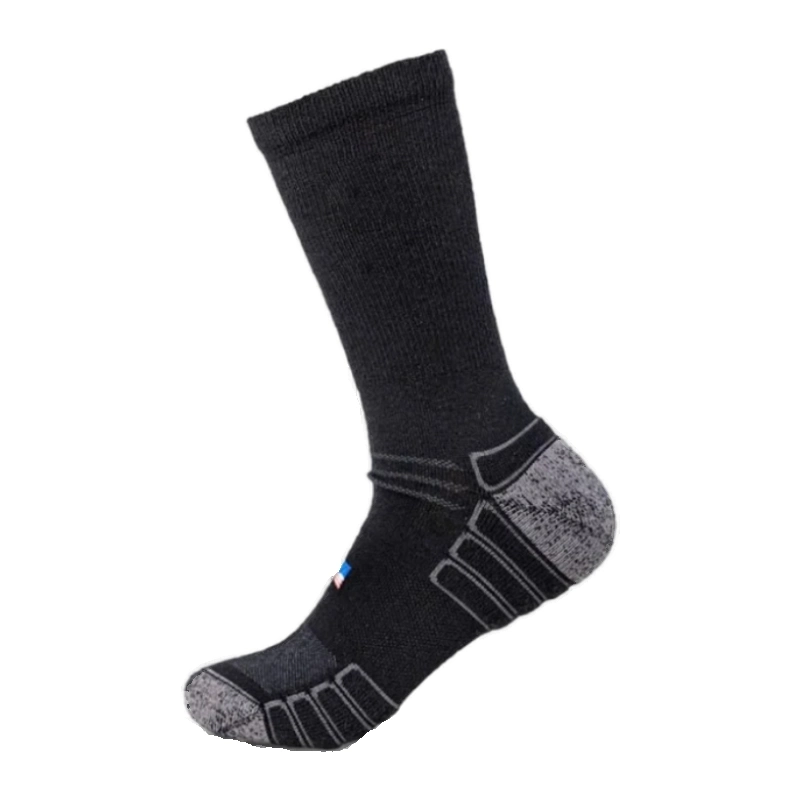
Thermal Winter Wool Work Sock
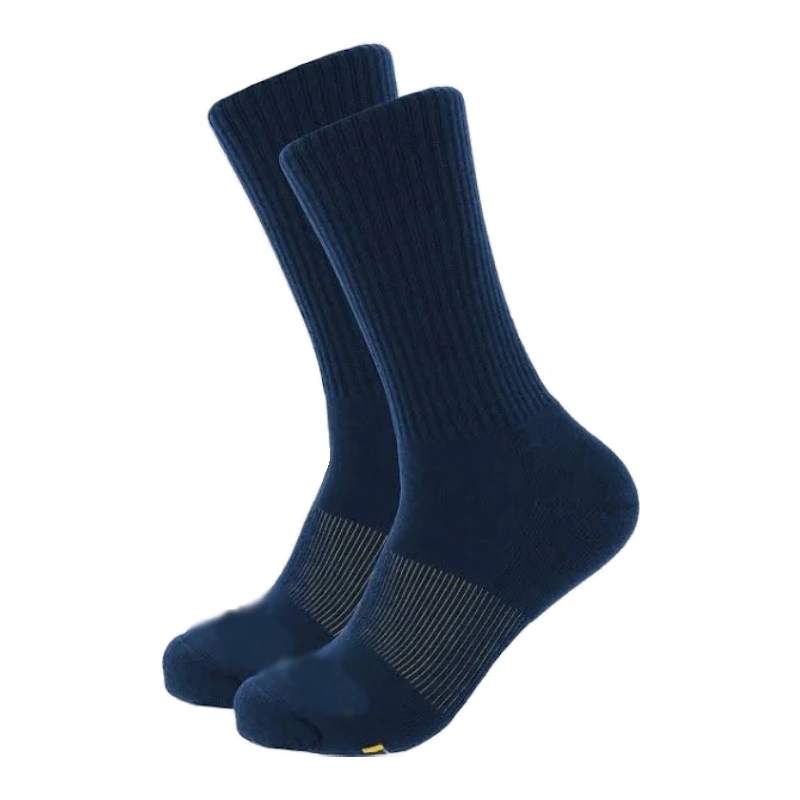
Cold Weather Warm Work Sock
Work socks knitted with conductive yarn to provide a path to ground, designed to be worn with ESD footwear in static-sensitive environments.
- Conductive yarn for path-to-ground
- Odor-resistant, all-shift comfort
- Pairs with ESD shoes and heel grounders
- Built for electronics assembly, controlled environments
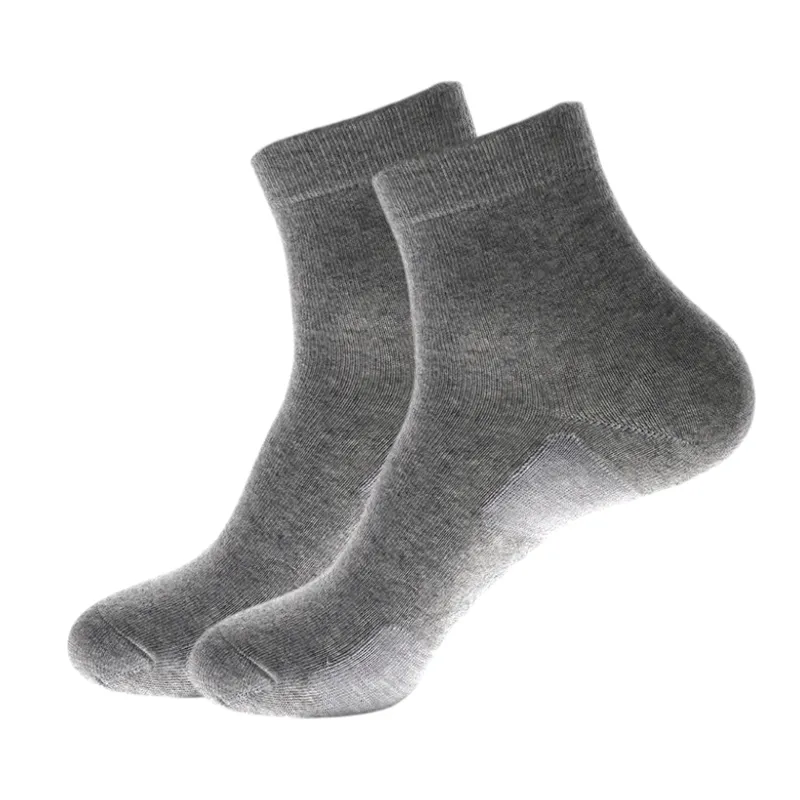
ESD Anti-Static Crew Sock
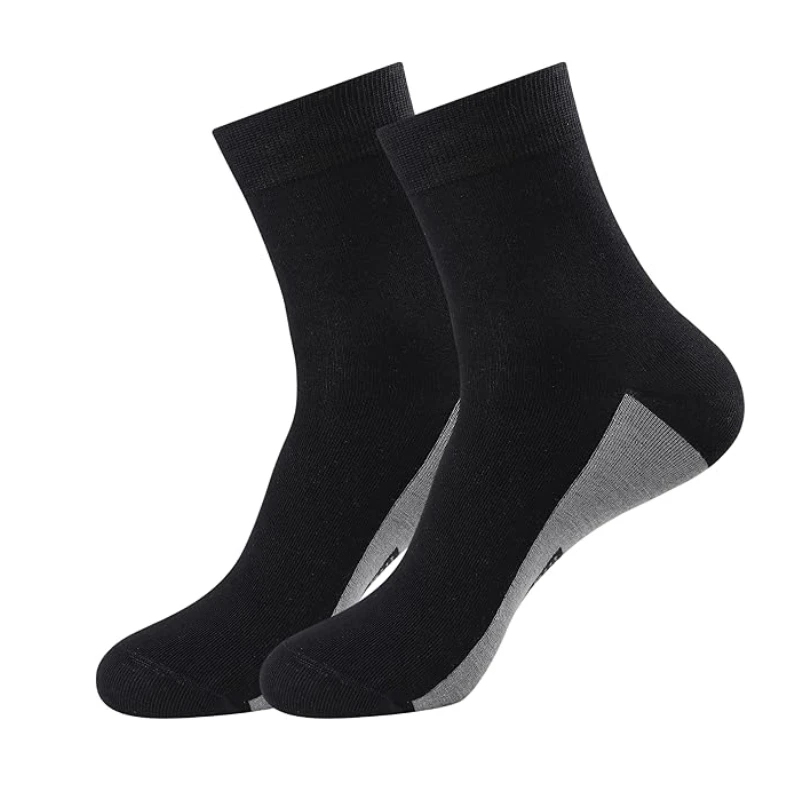
Conductive Yarn ESD Work Sock
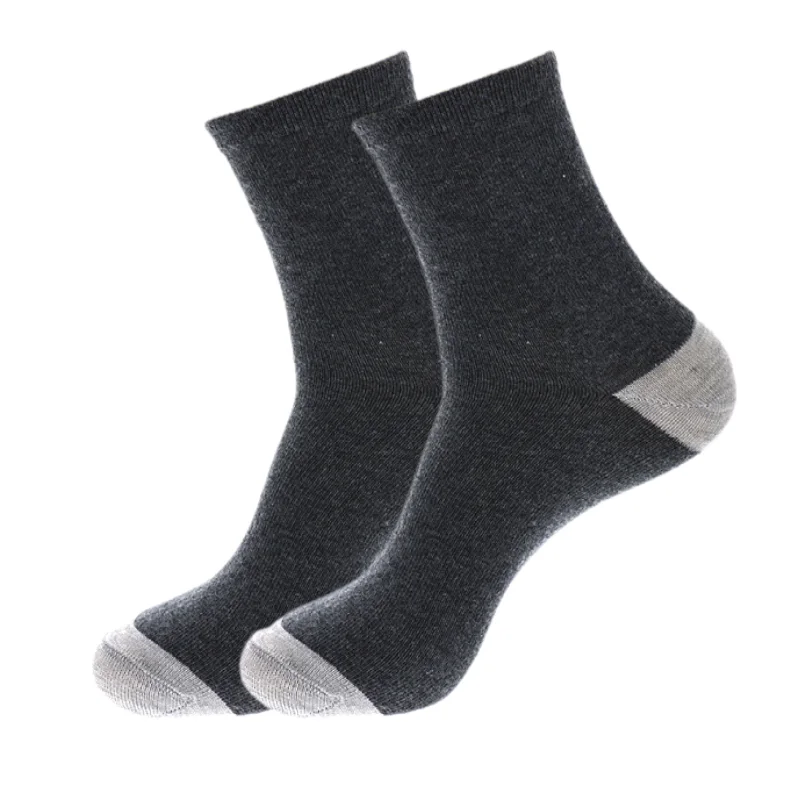
ESD Cushioned Anti-Static Sock
Industrial Safety Socks: What Changes Inside the Boot
A safety boot is a closed, low-ventilation environment. The sock is the layer that decides how that environment feels over a full shift. These are the five failure modes we design against, in the words of the people wearing them.
1 · Trapped sweat and odor
Sealed safety boots hold moisture in. Cotton-rich blends hold that moisture and dry slowly, so the sock is a damp layer by the end of the shift.
my feet and my boots are REALLYYYYYY foul
What we change
Moisture-moving merino, acrylic or polypropylene blends, a mesh instep and air channels to move moisture off the skin. Silver- or copper-ion yarn is available where odor control is part of the spec.
2 · Heel and Achilles friction
Rubbing at the heel and Achilles leaves raw, blister-prone hot spots — and workers change how they walk to avoid them.
my Achilles heel will sometimes rub with the boot and leave a rash/burn
What we change
Low-friction facing yarn through the heel and Achilles contact zone, a locked heel pocket, and reinforcement where the boot collar sits. Boot shaft height decides how far up that coverage has to run.
3 · Wearing through at toe and heel
Low-cost socks blow out at the toe and heel within weeks. The worker absorbs both the discomfort and the reorder cost.
I wear through them very fast and my feet just feel destroyed
What we change
Abrasion-reinforced toe and heel — high-tenacity nylon where the spec calls for it — with a defined needle count (144N / 168N / 200N) and a cushioned footbed. Abrasion and pilling can be verified through a third-party lab when your spec calls for it.
4 · Socks sliding down in pull-on boots
In pull-on and logger boots a tired cuff lets the sock bunch at the ankle — pressure, rubbing, and constant hitching all shift.
merino blend socks keep my feet drier … I have not had a single blister
What we change
An over-the-calf option with a wide, multi-strand spandex cuff, matched to the boot shaft height. Cuff recovery is confirmed on the approved sample. Fiber choice follows wearer tolerance — synthetic-rich builds where animal fibers are unsuitable.
5 · Failing the ground test on dry mornings
In cleanrooms and ESD-controlled zones, workers fail the pre-shift ground test on dry winter mornings — the conductive path through the sock is part of why.
The shoe works with a person by developing a ‘sweat’ layer through the sock
What we change
Conductive-yarn placement developed around the ESD footwear and flooring already in use on your site, plus low-lint filament polyester where the environment calls for it.
How to Spec Your Work Socks
Step 1: Match Function to Work Environment
| Work Environment | Primary Need | Recommended Construction | Typical Blend |
|---|---|---|---|
| Construction / steel-toe bootsjobsite work, steel installations, road construction | Impact cushioning + abrasion resistance | Thick toe-box terry + reinforced heel | 60% cotton / 35% nylon / 5% spandex |
| Electronics / assemblyelectronics manufacturing, assembly lines, chemical plants | Anti-static (ESD) path to ground, low lint | Conductive yarn footbed, low-lint construction | 85% cotton or polyester / 5% silver thread / 10% spandex |
| Warehousing / logisticsfulfillment centers, last-mile delivery, warehouse teams | All-day anti-fatigue + moisture control | Shock-zone cushioning + moisture-wicking | 70% cotton / 25% polyester / 5% spandex |
| Outdoor / cold weatheroutdoor construction, utility maintenance, cold storage, winter fieldwork | Warmth + moisture resistance | Merino / heavy-gauge thermal knit | 40% wool / 25% acrylic / 20% nylon / 15% spandex |
| Healthcare / care environmentscare staff, rehab and elderly-care facilities | All-day cushioning + odor management | Cushioned footbed, skin-friendly blends | 80% bamboo viscose / 15% nylon / 5% spandex; optional silver-ion yarn |
| High-heat / flammable areaswelding, foundry, petrochemical | Flame resistance | Flame-retardant yarn, worn inside a certified FR system | Specified per requirement |
Blends shown are recommended starting points, not fixed formulas — the final composition is set against your requirement in the production specification.
Step 2: Choose Material by Budget & Feel
| Material | Properties | Best For |
|---|---|---|
| Cotton blend | Soft, breathable, cost-effective | General everyday work |
| Merino wool | Thermoregulating, odor-resistant, durable | Outdoor / long shifts |
| Bamboo viscose | High moisture absorption, soft next-to-skin handle | Hot, high-sweat environments |
| Synthetic (nylon/poly + spandex) | Abrasion-resistant, holds shape | Heavy-duty / high-wear roles |
| Functional yarns (conductive / FR / copper) | Anti-static / flame-retardant / antibacterial | Specialty safety applications |
Not sure where to start? Begin with two questions — what’s the work environment, and are there safety requirements like ESD or flame resistance? Send us those and our design team returns a recommended build and mockup within 24 hours.
ISO 9001:2015 certification and OEKO-TEX® certified yarns ease global market entry — full documentation available on request.
When One Work Sock Is Not Enough
Most programs start with one core sock. The question is when a second construction earns its place in the range — and when you are just adding SKUs.
General industrial
Cushioned footbed, reinforced toe and heel, steel-toe comfort compatibility.
Hot / high-sweat
Mesh instep, air channels, high-wick fiber, quick-dry structure.
Cold / wet
Merino or alpaca blends, over-the-calf coverage, low-friction facing.
ESD-controlled
Conductive toe/heel grid, low-lint filament polyester for cleanrooms.
FR / thermal-risk
Flame-retardant yarn, built as an accessory worn inside a certified FR system.
Split the line when any of these is true
- Your crews wear different boot systems — shaft height and internal volume change the sock, not just the size run.
- Temperature or humidity between sites is far enough apart that one fiber blend cannot serve both.
- A site carries a defined ESD or FR requirement. These are compliance routes, not comfort upgrades — treat them as their own specification unless your test scope says otherwise.
- The wearers are a genuinely different group — different shift length, different task load, different reorder cycle.
These are development routes, not fixed sock specifications. The final construction depends on the footwear system already in use, site requirements, and the test or compliance scope you define. Once the route is set, yarn blend, knit density, reinforcement, sizing, branding and QC scope are finalized in the production specification.
More Industry-Specific Solutions
Hospitality, sanitation, agriculture, petrochemical, aerospace, and more — we tailor socks to your environment.
Customize Every Detail of Your Work Socks
From color and branding to functional yarns, every element is built to your spec — turn our work-sock platform into your own private-label line.
Custom Colors & Logos
Match your workwear line with precise Pantone color matching, plus knitted or embroidered logos in the cuff or footbed — for uniform consistency and easy identification in shared laundry.
Custom Sizes
Full size range with left/right pre-shaped options available.
Material Selection
Blend cotton, merino, bamboo, and functional yarns (ESD / flame-retardant / antibacterial) to your exact spec.
Custom Function
Engineer in anti-static, flame-retardant, reflective, or antibacterial yarns on request.
Custom Packaging Solutions
From individual retail presentation to bulk shipping solutions, we offer a comprehensive range of packaging options to meet your specific needs and enhance your brand experience.
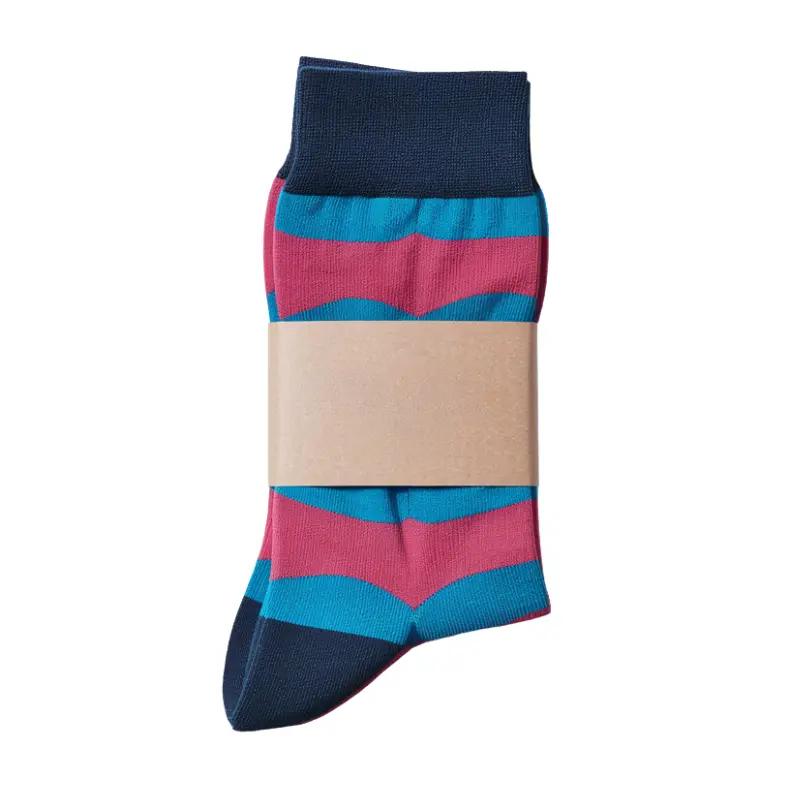
Belly Band
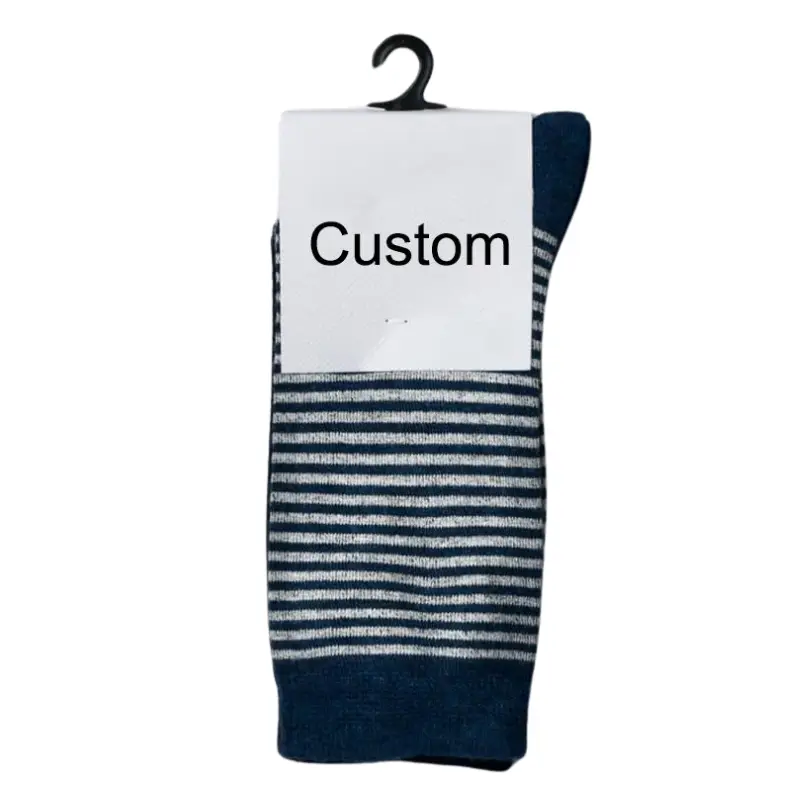
Head Card
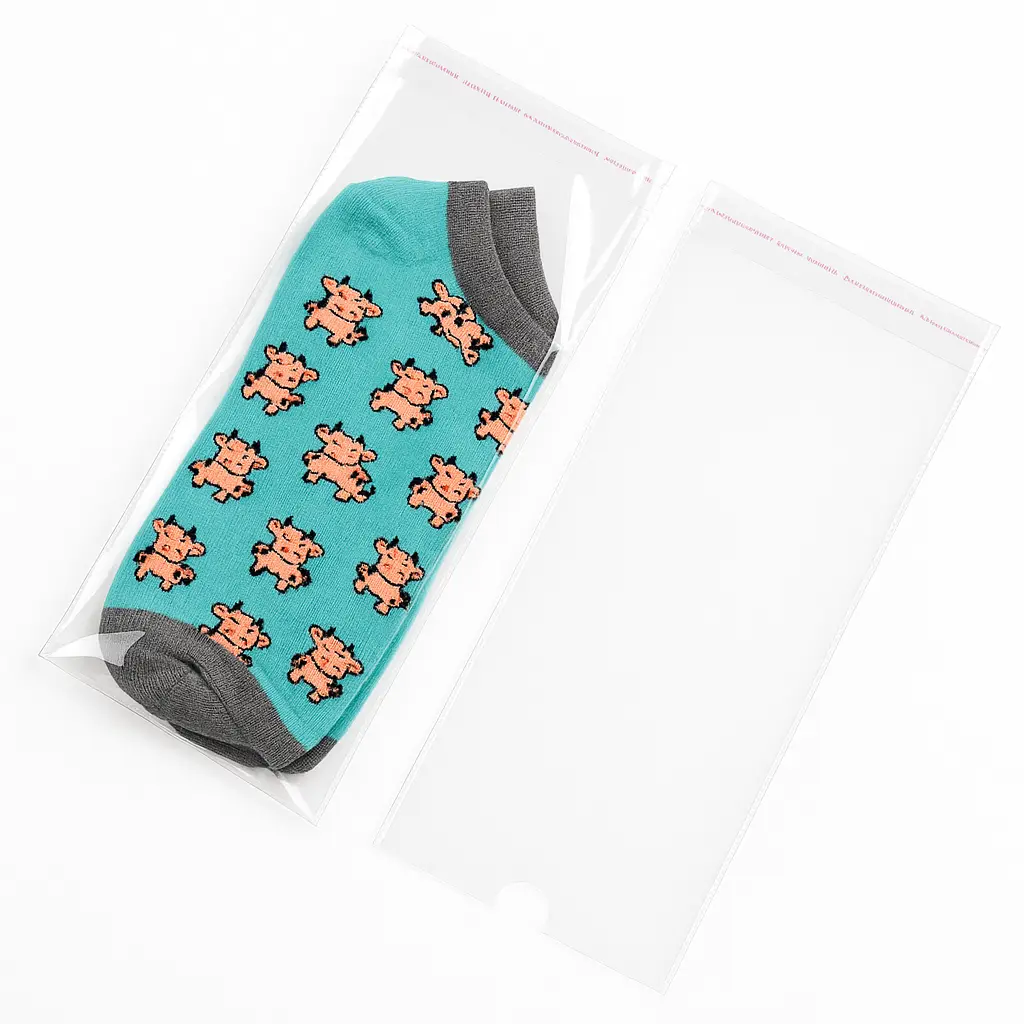
Opp Bag
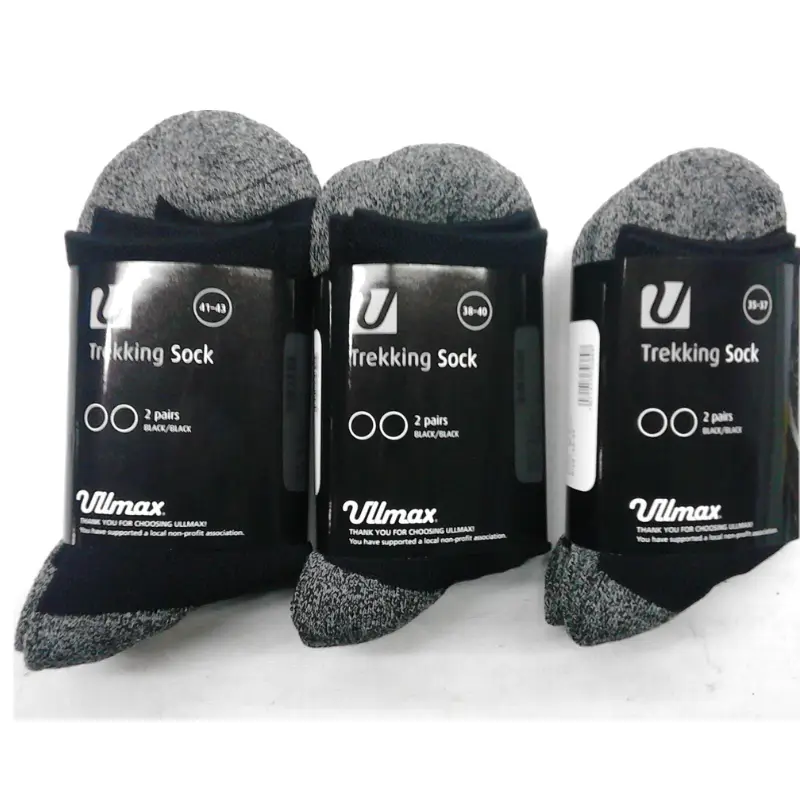
Multi-Pack
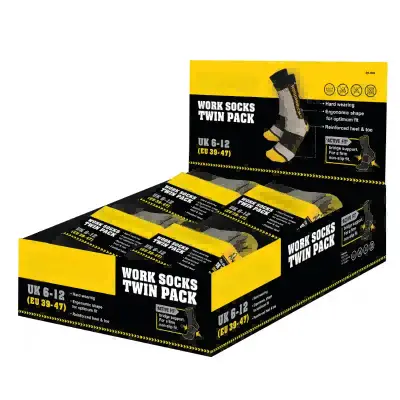
Display Box
Bulk Shipping Solutions
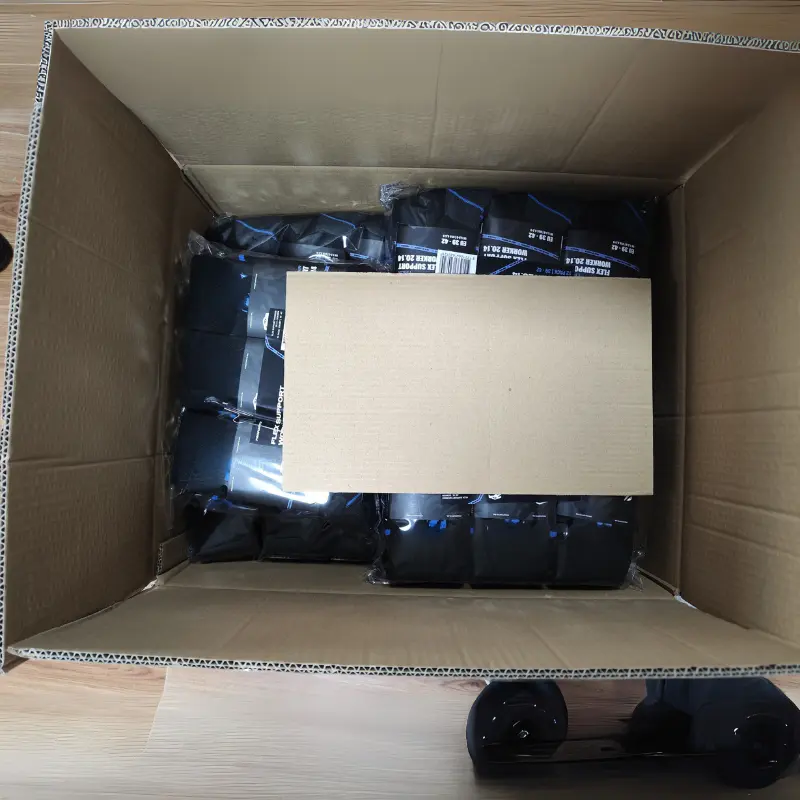
Carton Box
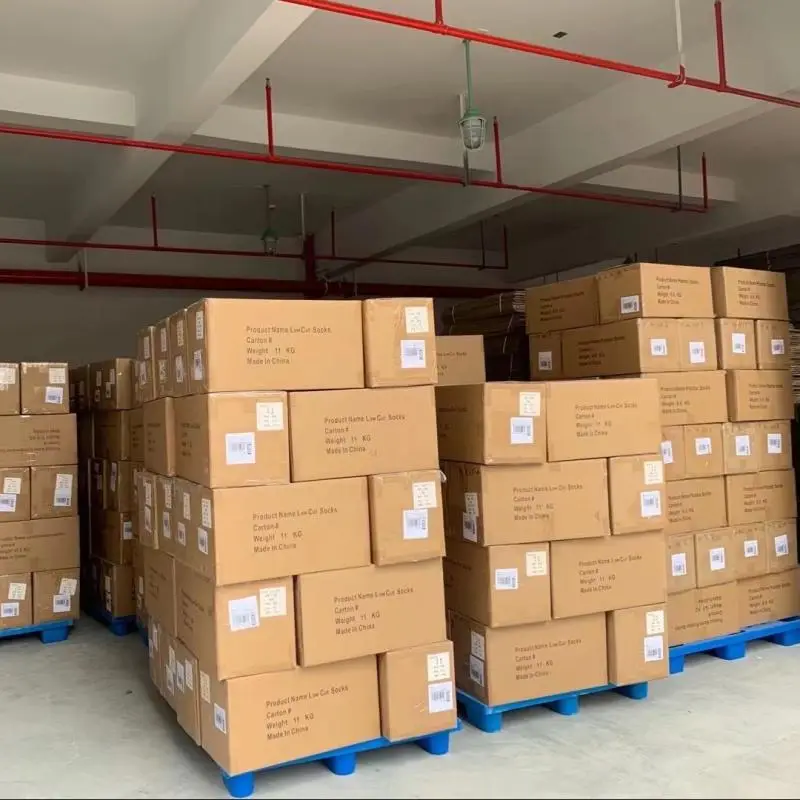
Master Carton
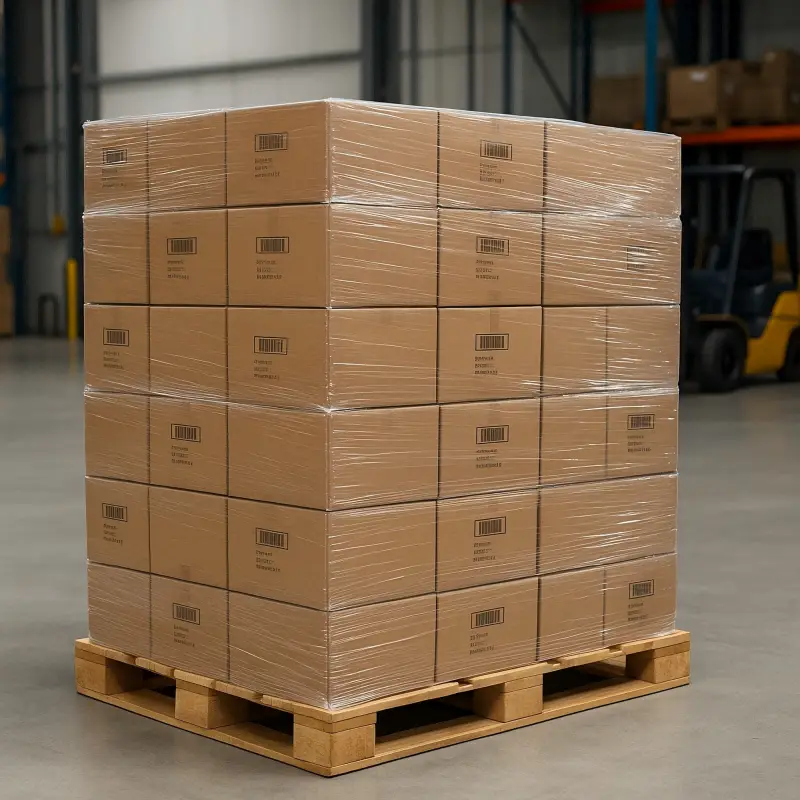
Pallet Packing
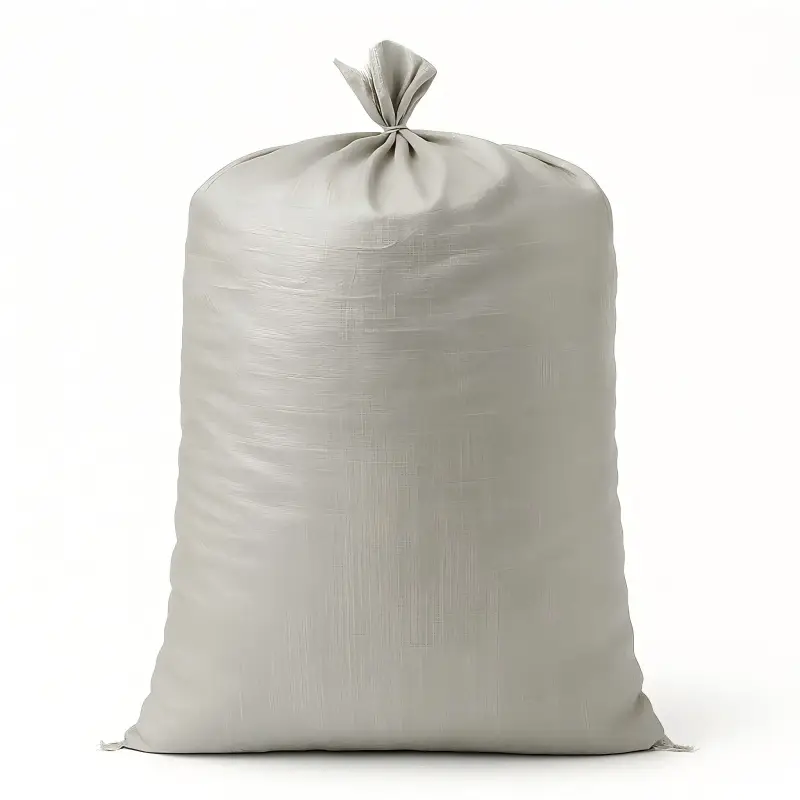
Bulk Bag Packing
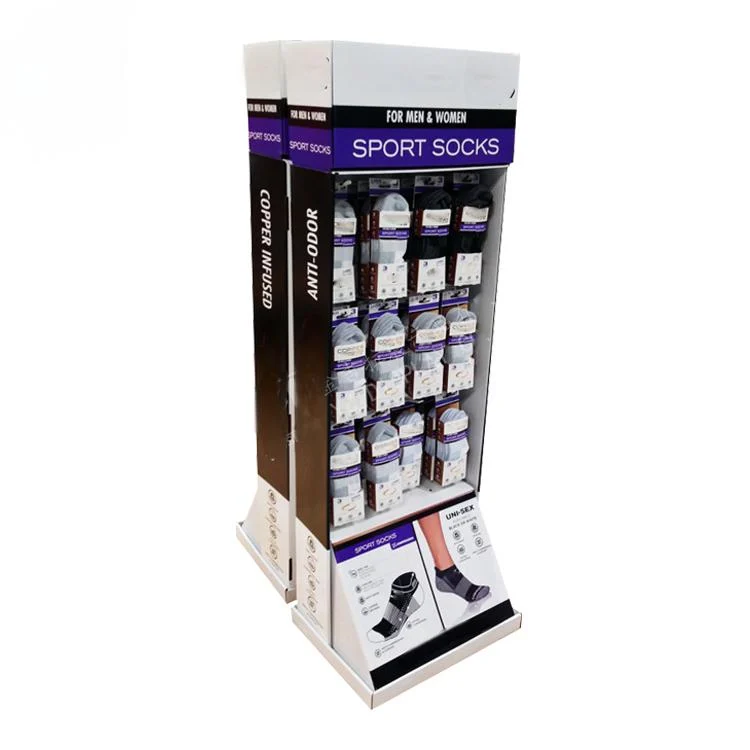
Display Shelf (PDQ)
Frequently Asked Questions
Get answers to common questions about our products and services
What types of custom work socks do you specialize in?
Our work-sock range is built for industrial and safety applications. Our expertise covers functional properties like flame resistance, anti-static, moisture-wicking, enhanced cushioning, and anti-slip grip.
Can you make heavy-duty work socks for steel-toe boots?
Yes. We can customize reinforced heel and toe zones, cushioned soles, boot-height constructions, and moisture-control yarns for steel-toe boots and work footwear.
Are work socks PPE? Do they make boots slip-resistant or puncture-proof?
No — and any supplier claiming that is over-reaching. Slip, puncture, impact and electrical protection sit in the certified footwear (ASTM F2413, EN ISO 20345 S3–S5). Our socks are the in-shoe layer: they reduce slippage, shear and hot spots, and keep a certified boot comfortable through a full shift.
Are your ESD socks certified?
ESD grounding is a system — person, sock, shoe, flooring and ground path working together. Our socks use conductive yarn at toe and heel and are built for compatibility with ESD footwear and flooring under ANSI/ESD programs, and we can provide sock and material documentation to support your own system testing. A sock on its own does not make a workplace ESD-compliant.
What materials are best for industrial work socks?
Common options include cotton-nylon-spandex blends for comfort and durability, polyester blends for moisture control, wool blends for cold-weather work, and conductive yarn options for ESD-related applications.
Can you make thermal work socks for cold-weather jobs?
Yes. We can develop wool-blend, acrylic-blend, or heavyweight terry work socks for outdoor labor, cold-storage, winter construction, utility maintenance, and fieldwork.
What is your MOQ for custom work socks?
Standard production MOQ is 1,000 pairs per design, and can be split into 500 pairs per color or per size. Specialized functions such as compression, anti-static yarns, thermal wool blends, or anti-slip grips may require different minimums.
Can you make anti-static (ESD) or flame-retardant work socks?
Yes — we can knit conductive (anti-static) yarn for path-to-ground performance with ESD footwear, and flame-retardant yarn for high-heat environments. If you require a specific industry compliance standard, let us know so we can advise.
Ready to Start Your Work Sock Project?
At Hangzhou Zhongzhi, we combine professional quality with a personalized approach. Let’s create something great together!
Inquiry & Consultation
Share your project details, and our experts will reply within 24 hours with price and solutions.
Sample Development
We craft samples to your specs and send approval photos within 3-7 days.
Sample & Order Confirmation
Confirmation Review your samples and request any refinements. Upon approval, we finalize your order details with a deposit to begin production.
Bulk Production
Production time varies by quantity; regular production time is 3-4 weeks.
Quality Inspection & Shipping
We will ship the bulk order after QC inspection. Choose between express air shipping (5-7 days) or sea freight (3-5 weeks) for most areas. Transit times are estimates and may extend for remote destinations, customs inspection, or peak-season congestion.
🔒Your information is secure. We’ll respond within 24 hours with a customized proposal.
Insights That Help You Source Smarter
Explore expert tips, industry trends, and practical guides on custom work sock sourcing, materials, and certifications. Whether you’re launching a new line or optimizing supply chains, our articles support informed decisions and better results.
Difference between merino wool & wool
Explore the key differences in performance, comfort, and applications between merino wool and traditional wool in socks.
A Complete guide to custom work socks
A practical guide to designing durable, comfortable wool work socks tailored for demanding industrial and outdoor environments.
How to achieve antimicrobial features for socks
Learn how socks can be made antimicrobial with different yarns, finishes, and technologies to enhance hygiene and odor control.
Exploring Chinas socks exhibitions and navigation tips
Get practical tips on visiting China’s major sock trade fairs, including preparation, communication, and travel advice.
A guide to choose the best packaging for your brand
Effective packaging tips for sock brands to enhance visual appeal, protection, and cost-efficiency in global shipping.
How AQL standard work for socks inspection
Understand how AQL (Acceptable Quality Level) standards are applied in quality inspections during sock manufacturing.