

Introduction
Compression socks can make a big difference in relieving leg fatigue, swelling, and poor circulation. However, if they’re not put on correctly, your customers may not experience the full benefits. For brands and retailers, teaching customers the right way to wear compression socks is key to improving their experience and building trust. When customers know how to use the product properly, they’re more likely to be satisfied and come back for more.
How to Put on Compression Stockings? Begin by turning the stocking inside out, but only down to the heel. Place your foot inside, ensuring your heel is secure in the heel pocket. Then, carefully unroll the stocking evenly up your leg. Crucially, smooth out all wrinkles or folds to ensure proper graduated pressure and avoid discomfort.
This guide will show you the simple steps to make sure your customers get the most out of their compression socks, helping them feel better and keep coming back to your brand for their needs. Let’s get started!
Compression Socks : Types, Materials, and Key Features
Length, pressure level, toe construction and material all change how a sock goes on, but they are covered elsewhere: see 7 types of compression socks.
Top Benefits of Compression Socks for Everyday Customers
What each pressure level is actually for is covered in the compression level breakdown. This page assumes the pair is already the right one and deals with getting it on.
Selecting the Right Compression Socks: A Guide for Your Customers
A sock that is genuinely the wrong size will never go on comfortably, so start from what size compression socks your customers need before troubleshooting technique.
Prepare to Put on Compression Socks
Before your customers begin, it’s important to ensure they’ve chosen the right pair for their needs. Compression socks come in various styles and pressure levels, so it’s crucial to make sure they pick the correct fit, whether for medical or athletic purposes. The right size and pressure will guarantee they get the full benefits.
To make the process easier for your customers, recommend essential tools such as compression sock aides or donning gloves. These tools help make putting on the socks quicker and easier, while also preventing any strain on the fabric.
1. Utilize Donning Aids
Incorporating tools can simplify the process:
Compression Sock Aides or Donning Gloves: These aids provide a better grip, making it easier to pull the socks on without excessive stretching or strain.
2. Apply Talcum Powder
Using talcum powder can reduce friction, allowing the socks to glide on more smoothly:
Application: Lightly dust talcum powder on your hands or legs before donning the socks. This can help in reducing friction, especially when the skin is moist or too dry.
3. Employ the Plastic Bag Method
A simple household item can serve as an effective donning aid:
Procedure:
- Prepare the Bag: Use a small plastic bag and cut a hole in the bottom, creating handles.
- Prepare the Sock: Place the compression sock over the bag, ensuring the hole aligns with the toe area, and the handles extend beyond the top of the sock.
- Donning: Insert your foot into the sock, using the bag handles to pull it up your leg. Once the sock is in place, gently remove the bag.
This method is particularly useful for individuals without specialized tools, offering a cost-effective solution to ease the application process.
4. Consider Specialized Donning Tools
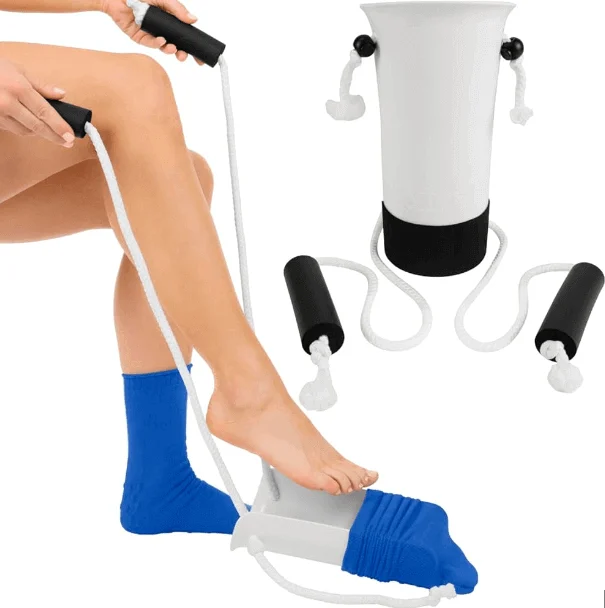
For those who require additional assistance, specialized donning tools are available:
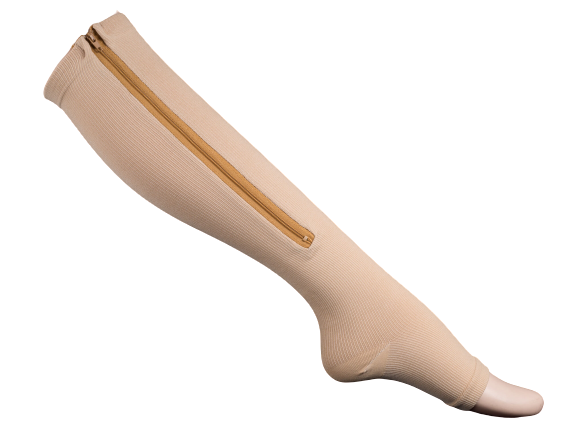
Stocking Donner: This device holds the compression sock open, allowing you to slide your foot in and pull the sock up with minimal effort. It’s especially beneficial for individuals with limited mobility. If your customers struggle with donning at all, a zipper compression socks version removes the pulling step entirely — it sits in our custom medical compression stockings range.
5. General Application Tips
- Morning Application: Don your compression socks first thing in the morning when your legs are least swollen.
- Smooth Fit: Ensure the socks are free of wrinkles and properly positioned to avoid discomfort and ensure effective compression.
- Avoid Overstretching: Do not overstretch the material during application, as this can compromise the sock’s effectiveness and lifespan.
How to Put on Compression Socks: Your Foolproof Step-by-Step Guide
Once they are on, how long to wear them each day is the next question, and it changes with travel, heat and age.
The Smooth, Safe Application Process
Step 1: Flip, Grip, and Slide – Instruct your customers to turn the sock inside out up to the heel. This makes it easier to slide the foot into the sock without causing discomfort. Once inside, they should gently grip the heel and slide it over their foot.
Step 2: Roll Up Slowly – Once the sock is over the foot, they should roll it up the leg slowly. Remind them not to tug or overstretch the fabric to avoid damaging the material or compromising the compression.
Step 3: Smooth Wrinkles – After the sock is on, customers should smooth out any wrinkles or bunching to ensure even pressure distribution. This will help the sock fit perfectly and provide the most comfort and effectiveness.
Common Compression Sock Mistakes (And How to Fix Them)
If the socks feel too tight or loose, there could be issues with the fit or how they were applied. Encourage your customers to double-check the fit and make sure the socks are applied evenly for optimal results.
Another common mistake is damaging the fabric during application. Advise them to be gentle and avoid overstretching or using sharp objects when putting on their compression socks. By following these tips, they’ll get the most out of their compression socks while ensuring long-lasting wear.
Keeping Compression Socks in Top Shape: Care & Maintenance
Proper care and maintenance are essential to ensure your compression socks remain effective and durable. By following these simple steps, you can help your customers extend the lifespan of their socks while maintaining optimal performance.
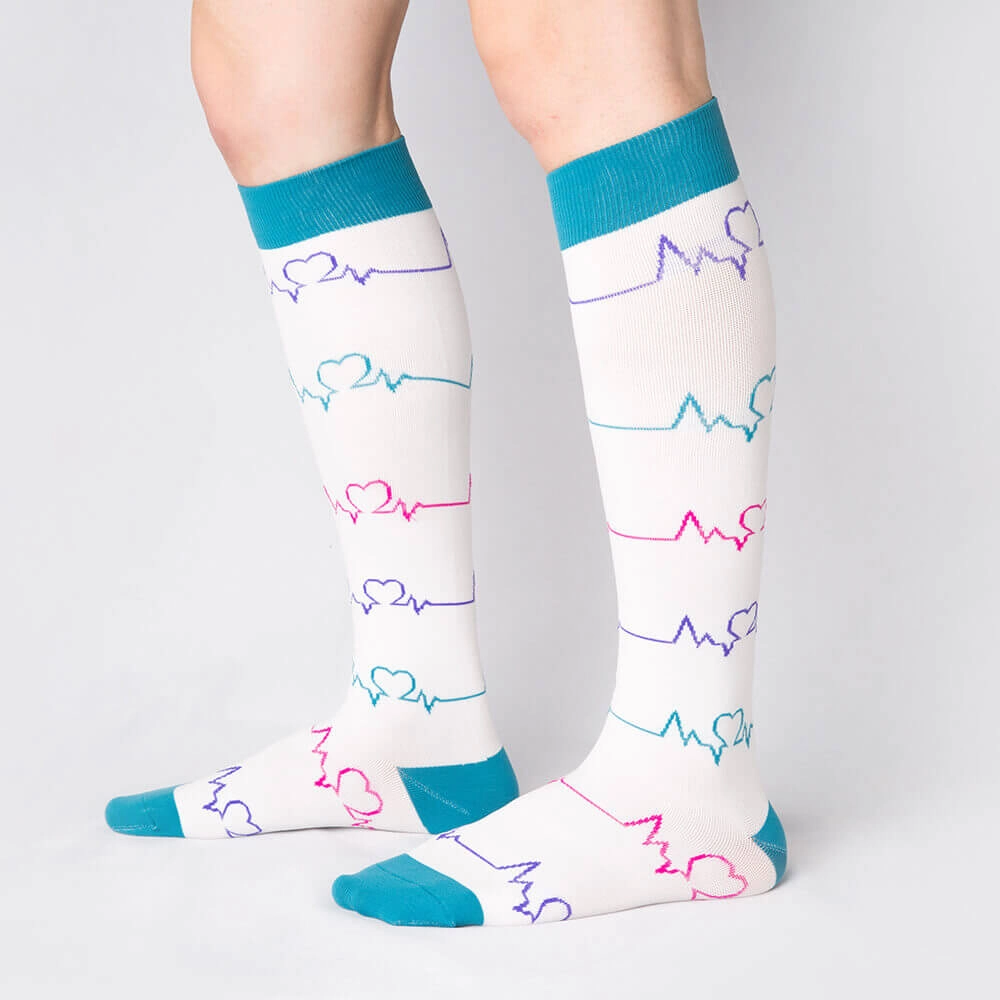
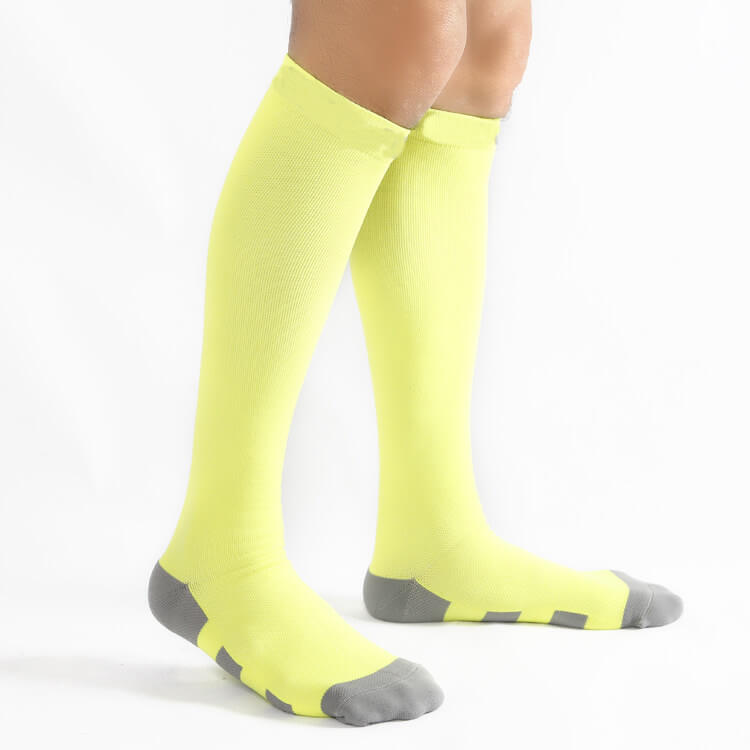
Washing Hacks: Cold Water vs. Harsh Detergents
- Washing Frequency: It’s recommended to wash compression socks daily after each use. This practice not only maintains hygiene by preventing odors and bacteria buildup but also helps the material regain its elasticity, ensuring consistent compression.
- Water Temperature: Use cold or lukewarm water when washing. Hot water can break down elastic fibers, reducing the sock’s effectiveness.
- Detergents: Choose mild detergents without additives like bleach or fabric softeners. Harsh chemicals can degrade the material and compromise the compression.
Drying and Storage: Preserve Elasticity for Long-Term Use
- Drying Method: After washing, gently press out excess water by rolling the socks in a towel. Then, air-dry them by laying them flat or hanging them over a vent. Avoid using dryers or placing them on direct heat sources, as high temperatures can damage the elastic fibers.
- Storage: Store compression socks in a cool, dry place away from direct sunlight and heat sources. Proper storage prevents material degradation and preserves elasticity.
By incorporating these care tips into your customer education, you can enhance their satisfaction and encourage repeat business. Offering high-quality, durable compression socks that retain their effectiveness will position your brand as a trusted partner in their health and wellness journey.
When to Replace Compression Socks: Signs Customers Might Overlook
Recognizing when it’s time to replace your compression socks is crucial for maintaining optimal leg health and comfort. Here are key indicators to watch for:
Loss of Compression
Over time, the elastic fibers in compression socks can stretch, leading to a loss of their snug fit. If putting them on becomes easier or they feel less supportive, it’s a sign they may no longer provide the necessary pressure.
Visible Wear and Tear
Regularly inspect your socks for signs of damage such as thinning fabric, frayed seams, or tiny holes, especially around the heel and toe areas. Visible damage compromises their effectiveness and indicates it’s time for a replacement.
Inconsistent Pressure
If you notice areas where the pressure feels uneven or diminished, it suggests that the elasticity of the socks has degraded. Consistent pressure is essential for promoting proper circulation, so any inconsistencies are a cue to invest in new ones.
How Brands Can Encourage Repurchases
To assist your customers in maintaining the benefits of compression therapy and to foster repeat business, consider the following strategies:
- Educate on Lifespan: Provide clear information about the typical lifespan of compression socks and the signs of wear. This helps customers recognize when it’s time to replace them.
- Offer Subscription Services: Implement subscription models that deliver new pairs at regular intervals, ensuring customers always have effective socks on hand.
- Provide Care Guides: Offer detailed guides on proper care and maintenance to extend the life of the socks, enhancing customer satisfaction and loyalty.
By staying attentive to these signs and proactively supporting your customers’ needs, you can ensure they continue to reap the benefits of compression therapy while strengthening their trust in your brand.
Partner with Experts: Elevate Your Brand with Tailored Solutions
Your customers expect more than generic products—they demand solutions that align with their unique lifestyles and challenges. By collaborating with our factory, you can unlock opportunities to make your brand stand out.
Why Partnering Matters for Your Business
- Cost Efficiency: Cutting out middlemen and streamlining production processes helps reduce expenses, allowing you to invest in quality materials and innovative designs.
- Seamless Customization: From targeted pressure zones for athletes to hypoallergenic fabrics for sensitive skin, tailored options solve niche problems that off-the-shelf products often ignore.
- Speed to Market: Direct collaboration ensures faster adjustments to trends, whether launching seasonal collections or integrating new sustainability standards.
Conclusion
In conclusion, ensuring that your customers know how to properly put on compression stockings is key to maximizing their benefits and enhancing satisfaction. By understanding the different types, choosing the correct fit, and applying them correctly, your customers will experience the full range of health and lifestyle benefits. As a brand or retailer, providing these insights not only improves your customers’ experience but also builds trust and encourages repeat business.
Ready to offer high-quality, custom compression socks that will make a real difference? Contact us today to discuss how our factory can help you meet your customer needs with tailored solutions and expert guidance. Let’s work together to boost customer satisfaction and grow your business!
FAQs
Do you offer sizing consultation services to ensure brands and retailers stock the right fit for their audience?
Absolutely. Our team analyzes your target demographic’s sizing data and provides size reference table for target area mixes to minimize mismatches and maximize satisfaction.
How do I ensure my customers use compression stockings correctly?
Providing clear instructions and tips on applying compression stockings, such as using donning aids and ensuring proper fit, helps your customers gain the full benefits. Recommend offering these guidelines along with your product for better customer satisfaction.
How can I help my customers select the right compression stockings for their needs?
By providing guidance on measuring for the correct size and explaining different compression levels, you can ensure that customers choose the most suitable product for their individual health or lifestyle needs. Consider offering expert consultations as part of your customer service.
Can compression stockings be used for pregnant women?
Yes, compression stockings are often recommended for pregnant women, especially those experiencing swelling or poor circulation. Mild to moderate compression helps reduce swelling in the legs and provides extra support for the veins during pregnancy.
Do compression stockings come in different styles for different uses?
Yes, compression stockings are available in various styles, such as knee-high, thigh-high, and full-leg options. There are also specialized designs for athletic, medical, and everyday use to cater to different customer needs.