Sock Options You Can Specify
Logo, color, yarn, knit structure, grip, sizing and packaging — the options available across every sock line we make, and the trade-off behind each one. Product-specific specs are covered on each product page.
Bring a sketch, a competitor sock, or a finished tech pack; we’ll tell you what’s missing.
The Options at a Glance
Every sock line we make can be specified on the points below. Pick one to jump to the detail.
Logo Techniques
From bold logos to subtle textures, our custom branding techniques help bring your design to life—without compromising comfort or performance. Choose the method that fits your market and product vision.
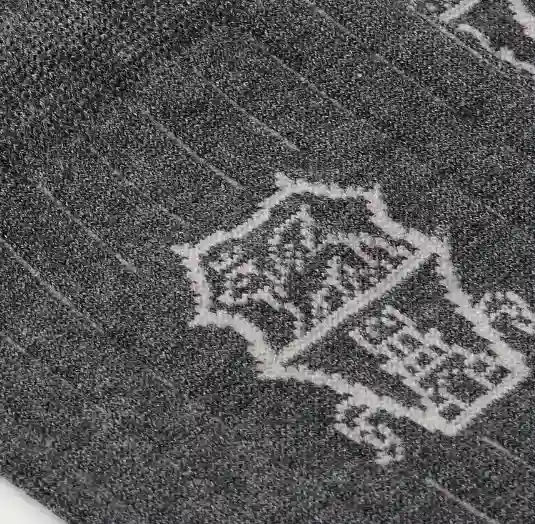
Jacquard Knitting
Seamlessly integrates your design into the sock fabric for a premium, fade-resistant look.
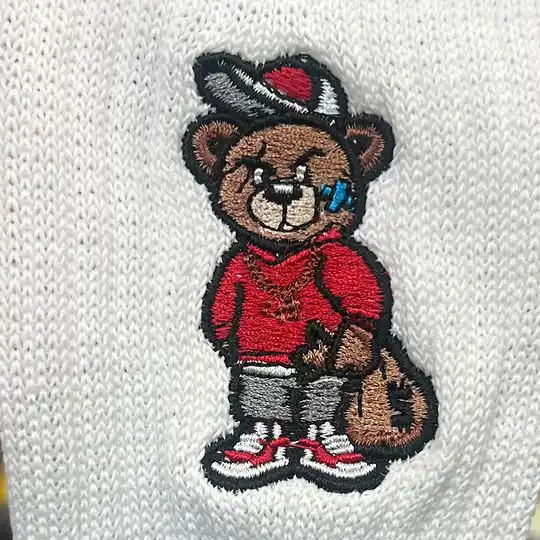
Embroidery
Adds a raised, luxurious feel—ideal for corporate gifts and high-end retail collections.
Sublimation Printing
Delivers vivid, full-color artwork that won’t crack or fade—great for detailed designs.
Woven Label
Adds branded tags directly to cuffs or packaging for a finished, retail-ready presentation.
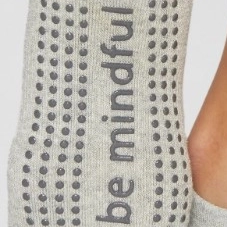
Silicone Logo
Combines anti-slip grip with your logo—popular for athletic and performance socks.
Reflective Logo
Enhances visibility in low light by reflecting light—ideal for safety, night sports, or workwear applications.
Which technique fits your product
The six above are not interchangeable. What decides between them is how much detail your logo carries, whether it can be felt against the skin, and what it costs at your volume.
| Technique | Best for | Detail it holds | Feel on skin | Cost at volume |
|---|---|---|---|---|
| Jacquard knitting | Retail sock lines, repeat SKUs | Blocky — no fine gradients | Flat, knitted in | Lowest |
| Embroidery | Corporate gifting, premium retail | Medium — clean edges | Raised, sits on top | Mid |
| Sublimation printing | Full-color artwork, photographic designs | Highest — gradients and small text | Printed, no added texture | Mid — needs a light base yarn |
| Woven label | Cuff branding, retail presentation | Fine, but small | Attached, can be felt | Low |
| Silicone logo | Grip socks, performance lines | Medium — bold shapes | Raised, adds grip | Mid |
| Reflective logo | Workwear, night sports, safety lines | Medium | Slight texture | Mid |
Techniques can be combined on one sock — a jacquard body with an embroidered cuff mark, for example. What limits it is area, not technique: a mesh vent panel or a silicone print takes away the surface a jacquard logo needs. Tell us where the logo sits and how many colors it carries, and we will tell you which route holds the detail.
Color Matching
Yarn is dyed to your Pantone code by the dyehouse, and the lab dip comes back for your approval before anything is knitted. What happens here is the check — and holding that approved standard for every run after it.
How a color is approved
Send a Pantone code for each yarn position, not one code for the sock. The yarn is dyed against it and the lab dip comes to you for sign-off before bulk starts.
Nothing goes into production on a screen match.
How it is checked before knitting
Approved dyeings are compared against your standard in a color assessment cabinet, under D65 daylight, TL84 store lighting and UV.
The reason for switching sources is metamerism: a yarn that matches your standard in daylight can shift under the lighting of the store it will be sold in. That is worth catching before the run, not after.
Where the code cannot be hit
Fluorescent shades are not dyed to code — they come from pre-dyed specialty yarn, currently fluorescent yellow, green and orange.
Metallic and lurex yarns work the same way: the color comes with the yarn, not from the dye lot.
Why one code can look like three
Cotton, polyester and nylon take dye differently. A blended sock knitted to one code across all three fibers will show a slight difference between them.
This is normal — decide on it at lab dip stage, not at delivery.
Locking the standard for the next run
Ask that the approved lab dip is recorded on the specification, so a later run is checked against the same reference rather than against a fresh sample.
Dyeing is carried out by the dyehouse, not in our knitting plant. Color fastness and other laboratory tests can be arranged through a third-party lab on request.
Yarn & Material Options
Stop guessing yarn blends. This 1-minute guide shows which fibers deliver the comfort, performance, and price your high-volume buyers expect.
Natural Comfort
Representative Fibers:
combed cotton, bamboo viscose
- Breathable
- Skin-friendly
- Eco-friendly
Typical Applications:
casual wear, business wear, beginner sports
💰 Price Tier: budget-friendly
Durable & Quick-Dry
Representative Fibers:
Polyester, Nylon, recycled polyester
- Quick-Drying
- High abrasion resistance
- Moisture-wicking
- Durable Performance
Typical Applications:
running, cycling, workwear, sports
💰💰 Price Tier: best cost-performance
Elastic Support
Representative Fibers:
Lycra® elastic
- Superb stretch
- Enhanced fit retention
- Superb rebound
- Keeps cuffs from sliding
Typical Applications:
compression socks, sports socks, athletic support, one-size lines
💰💰 Price Tier: Mid-tier
Performance Add-Ons
Representative Fibers:
silver/copper infused, Graphene, recycled nylon/polyester, organic cotton, antistatic fiber, essential oil infused, Anti-slip yarn
- Antimicrobial odor-control
- Enhanced Grip & Traction
- Thermo-regulation
- Skin-Nourishing Effects
Typical Applications:
medical rehab, outdoor adventure, premium launches
💰💰 💰 Price Tier: Premium
3 Steps to Choose Material in 60 Seconds
1. Define the Function
Decide: everyday comfort, athletic support, or advanced tech performance required.
2. Match Key Advantages
Use our matrix to shortlist fibers that meet your KPIs
3. Balance Cost vs. Retail
Balance material cost with market price to maximize gross margin.
Core Sock Structures & Performance Zones
Seven knit structures, and what each one commits you to. These are the parts of a sock that are decided before knitting starts — changing them later means a new sample, not a new setting.
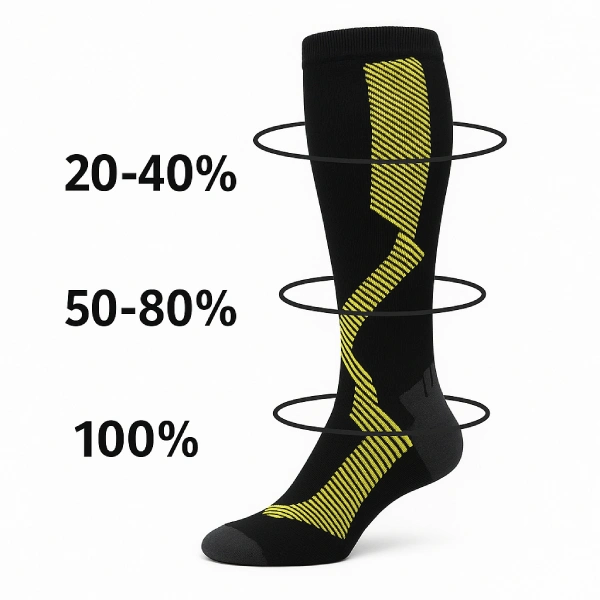
Graduated Compression
- You set the mmHg band and the length
- Knitted to spec, not applied afterwards
- Changes the fit at cuff and calf
- Used on medical, travel, maternity, recovery
Terry Cushion/ Padding
- You set the zones: full foot, heel and forefoot, or thin all-over
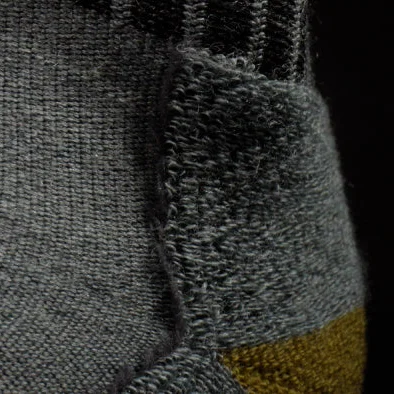
- Adds warmth and bulk
- Changes how the sock sits inside the shoe
- Used on work, hiking, running, winter
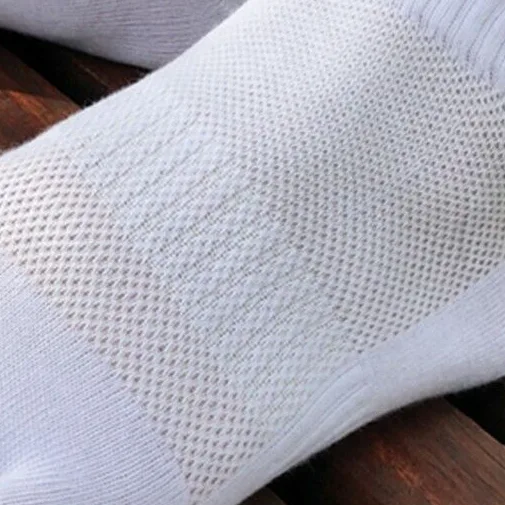
Mesh Vent Panels
- Open-structure panels over the instep
- Knitted in, not cut or added
- Reduces the area available for a jacquard logo
- Used on running, cycling, sports
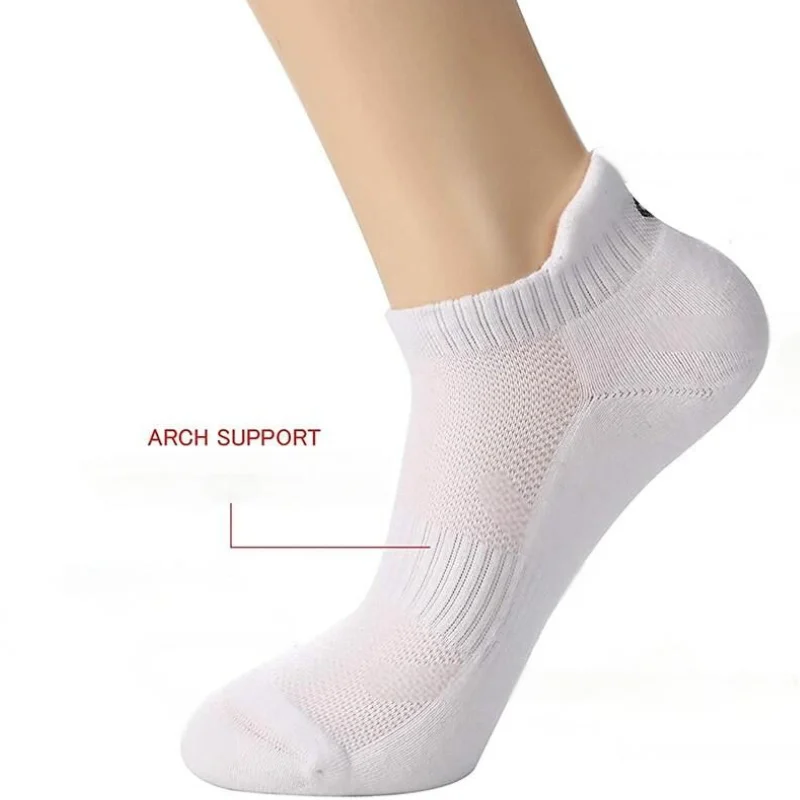
Arch-Support Band
- High-density elastic band across the midfoot
- A knit structure, not a printed marking
- You set the band width and tension
- Used on running, work, plantar fasciitis
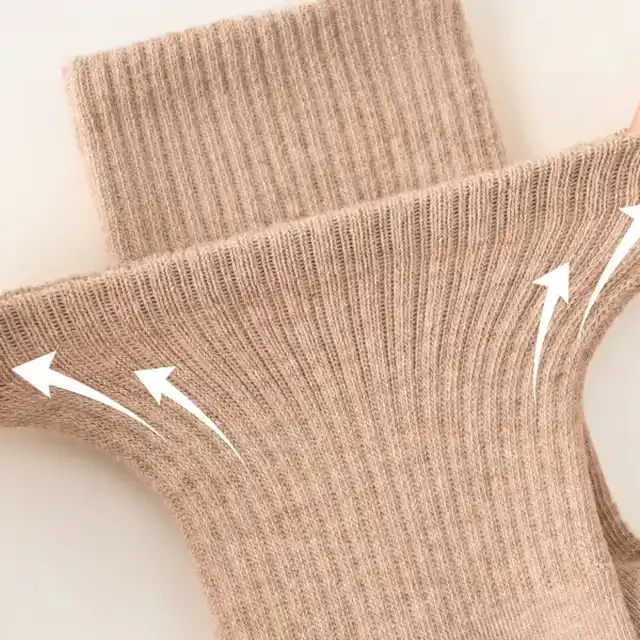
Elastic Ribs
- Cuff and leg ribbing decides whether the sock stays up
- You set rib depth and cuff height
- Affects how the sock reads on a retail shelf
- Used on everyday, dress and sports lines
Hand-Linked (Seamless) Toe
- Toe closed by hand instead of by machine
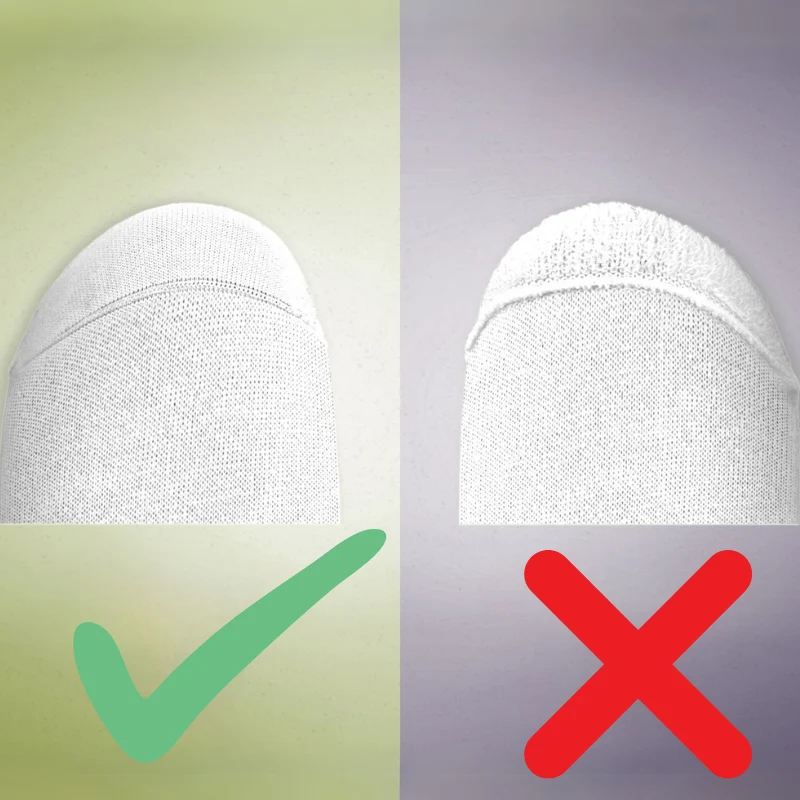
- Removes the ridge that runs across the toes
- Slower and dearer per pair
- Used on running, diabetic and toe-sensitive lines
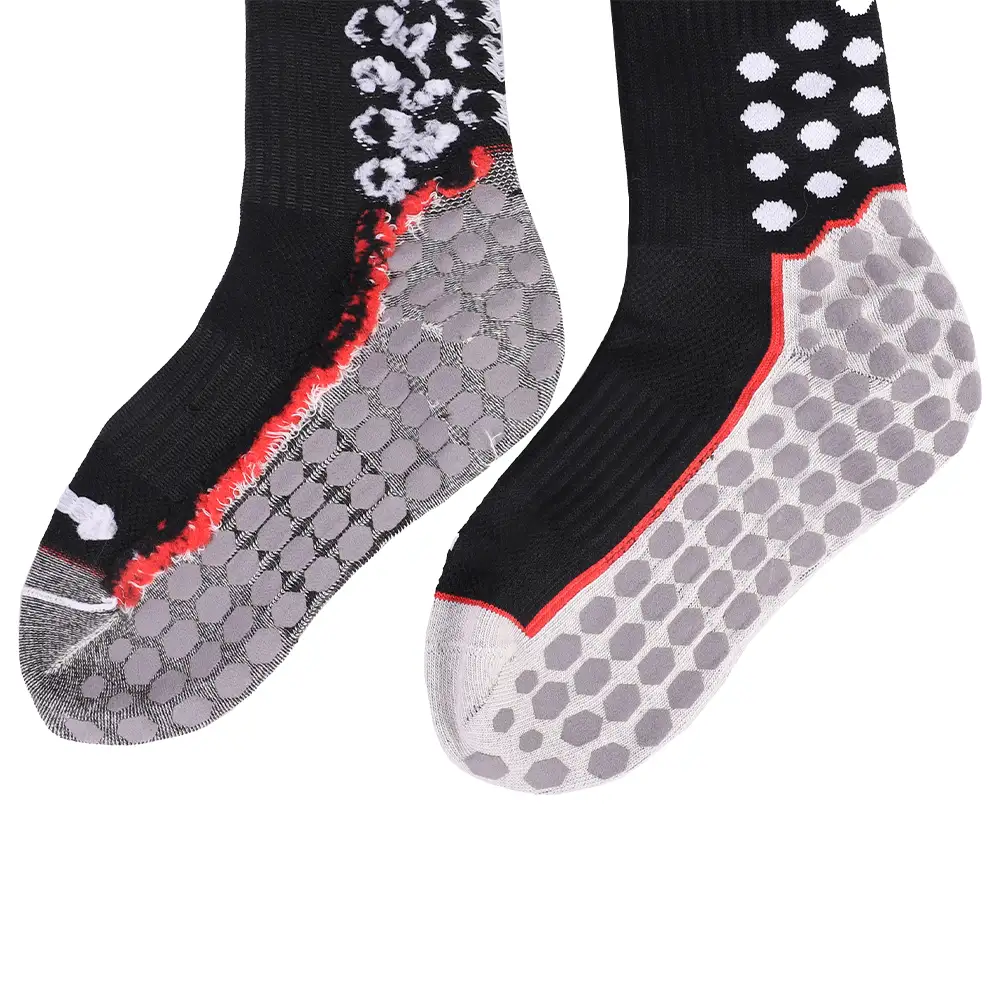
Double-Layer Silicone Grip
- Silicone on the sole for grip against the floor
- Silicone on the inside face so the sock does not rotate on the foot
- Both faces on one sock
- Used on pilates, trampoline and hospital lines
Structure Comparison by Sock Type
| Structure Feature | Athletic | Compression | Casual/Dress | Technical/Outdoor |
|---|---|---|---|---|
| Graduated Compression Zones | ★ ★ | ★ ★ ★ | ★ | ★ ★ |
| Terry Cushion / Padding | ★ ★ ★ | ★ ★ | ★ | ★ ★ ★ |
| Mesh Vent Panels | ★ ★ ★ | ★ ★ | ★ | ★ ★ ★ |
| Arch-Support Band | ★ ★ ★ | ★ ★ ★ | ★ | ★ ★ ★ |
| Ribbed Cuff / Elastic Ribs | ★ ★ | ★ ★ ★ | ★ ★ | ★ ★ |
| Hand-Linked (Seamless) Toe | ★ ★ | ★ ★ ★ | ★ ★ | ★ ★ ★ |
Size Range Options
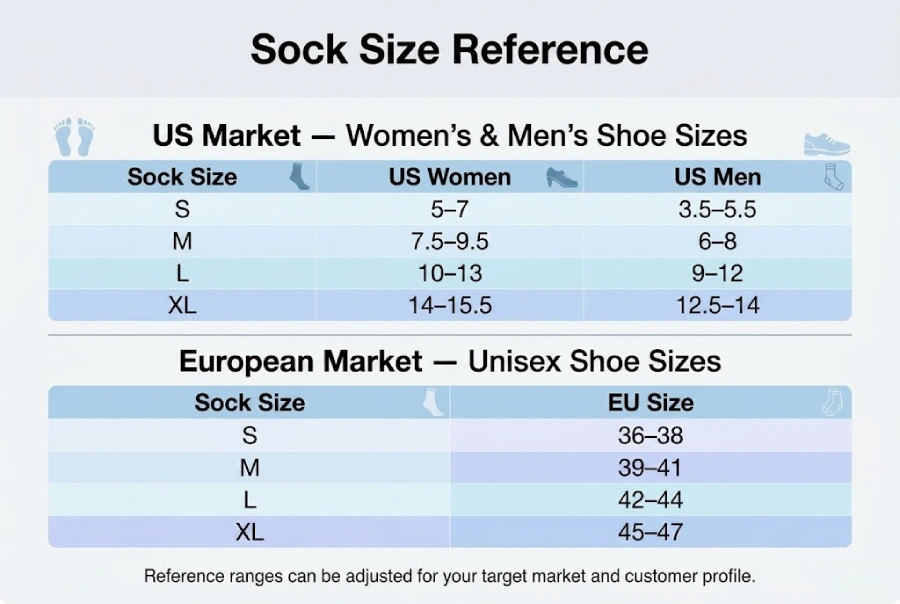
Start with your existing size chart, target market, or a physical reference sock. We can use the information you already have to define the size specifications needed for sampling.
Size Range Reference
01 New Size Range
Build a Size Range for Your Target Market
If you don't already have a size chart, share your target market, customer group, and sock type. We can use these details as the starting point for developing a practical size range.
US and European markets use different shoe-size systems, so the same sock program may require different size labels and coverage depending on where the product will be sold.
Starting from scratch? Share the market you plan to sell in and the type of sock you are developing, and we can review the size range before sampling.
02 Reference Sock
Reproduce an Existing Sock From Your Reference
Already have an approved sock or reference sample? Send us the physical sample together with your target size, construction, material, and branding requirements.
We can review the original dimensions and construction, reproduce the key specifications, and prepare a development sample for your approval before bulk production.
For knee-high and compression styles: Foot length, leg length, and cuff width are three key finished-sock measurements used when reproducing an existing size.
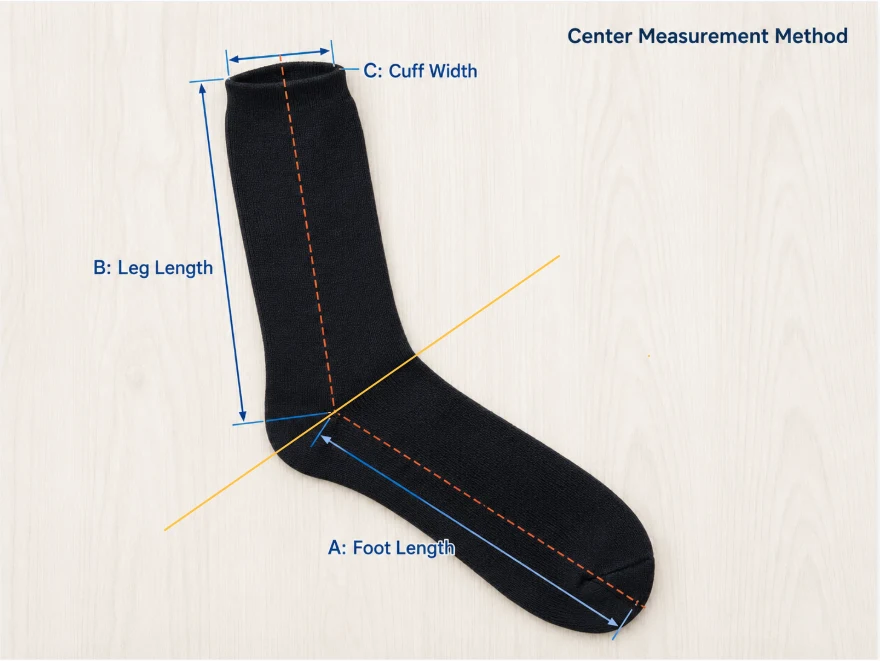
Finished-Sock Measurements
Have a size chart, tech pack, or reference sock? Send us what you already have. If you're starting from scratch, share your target market and sock type, and we'll help define the specifications needed for sampling.
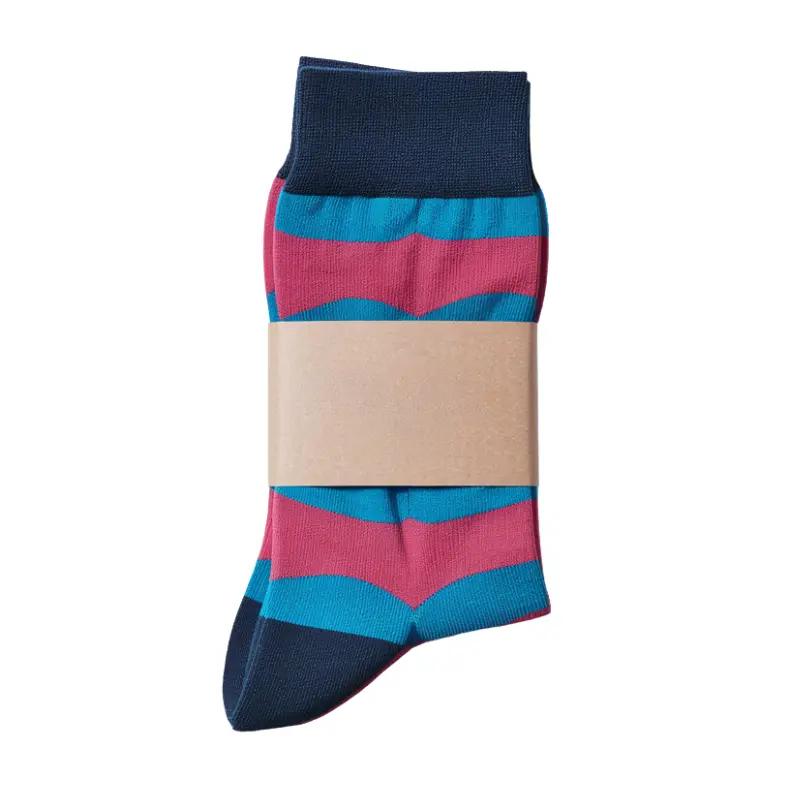
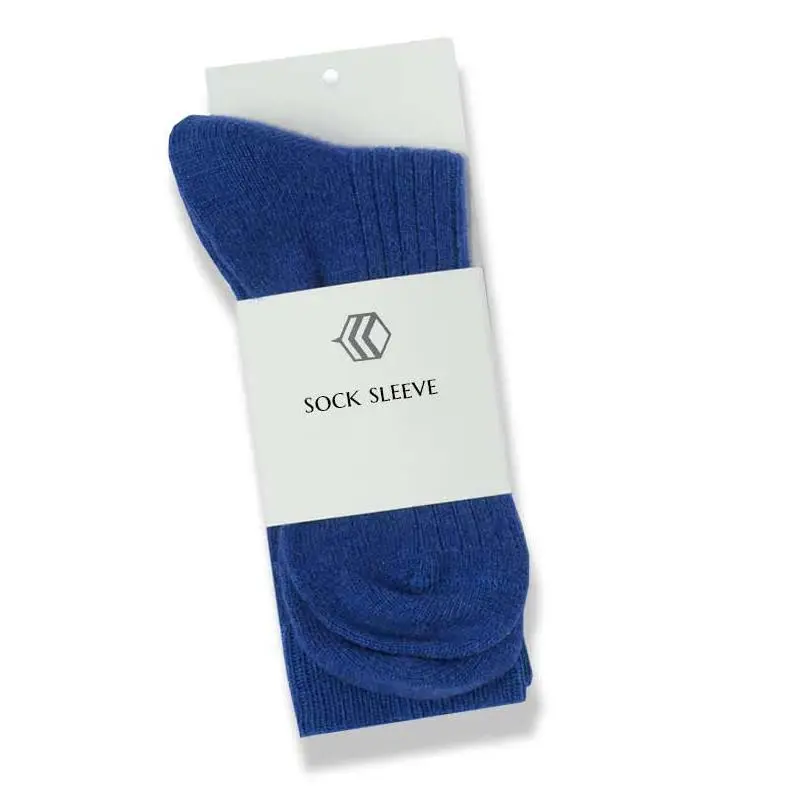
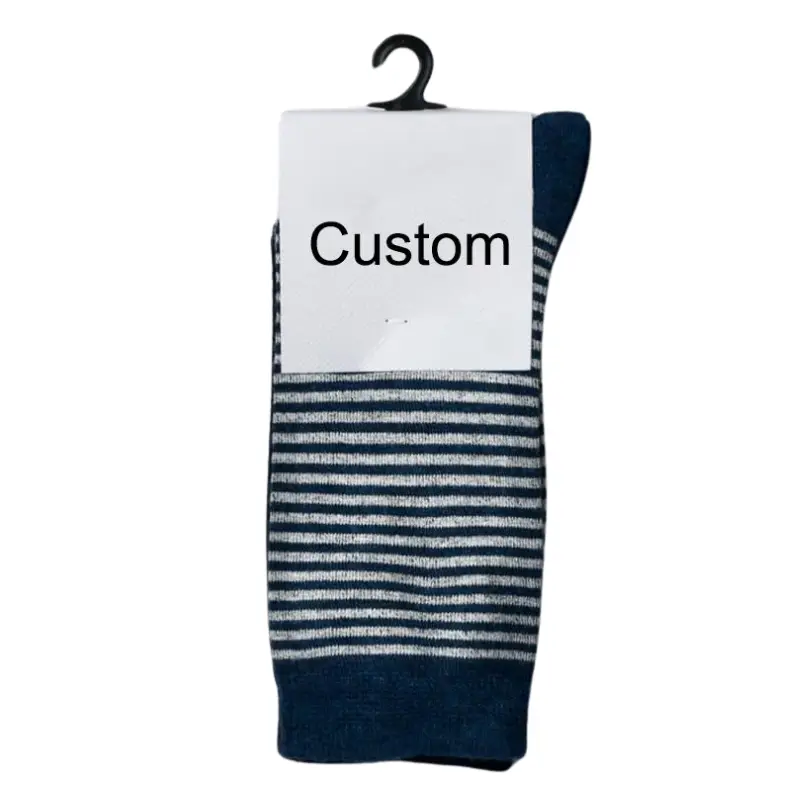
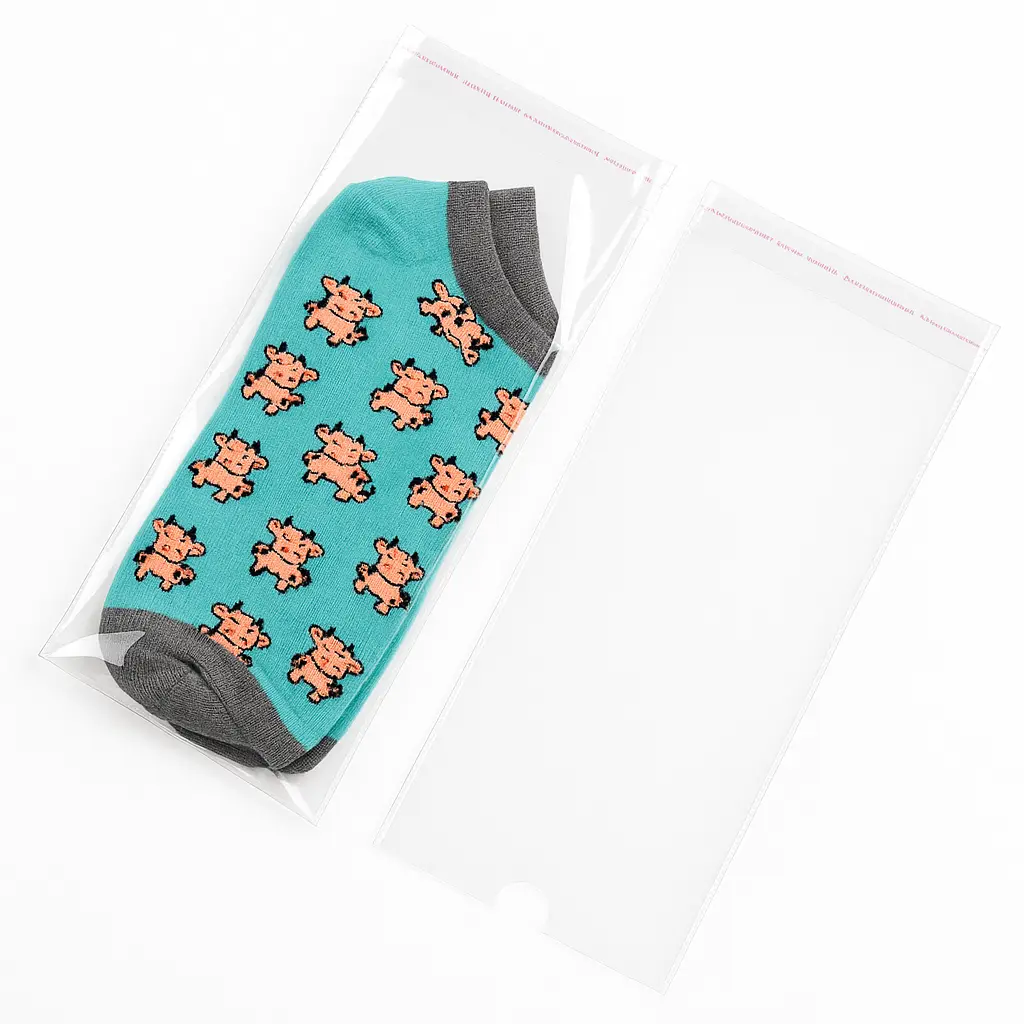
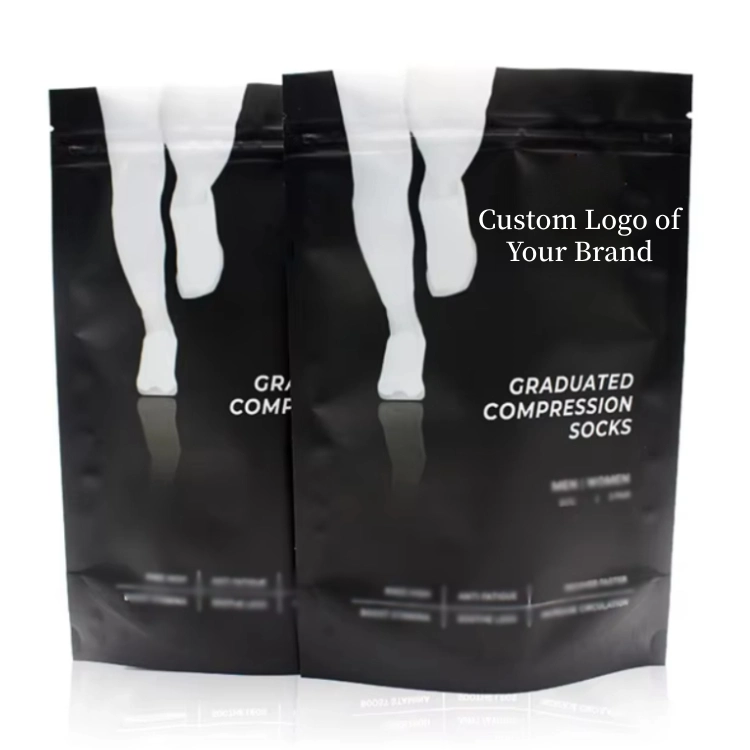
Packaging Options
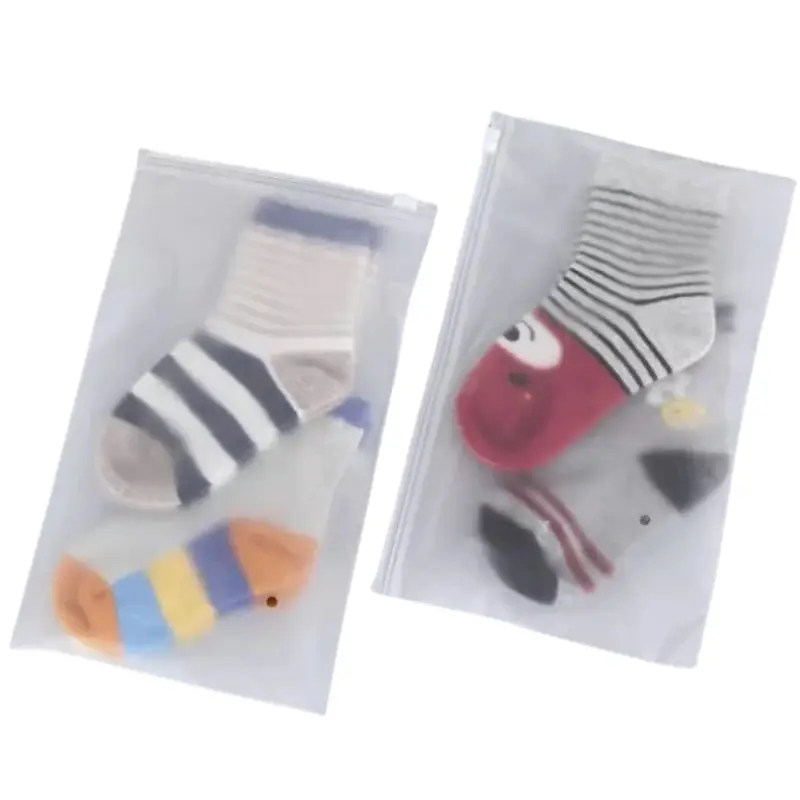
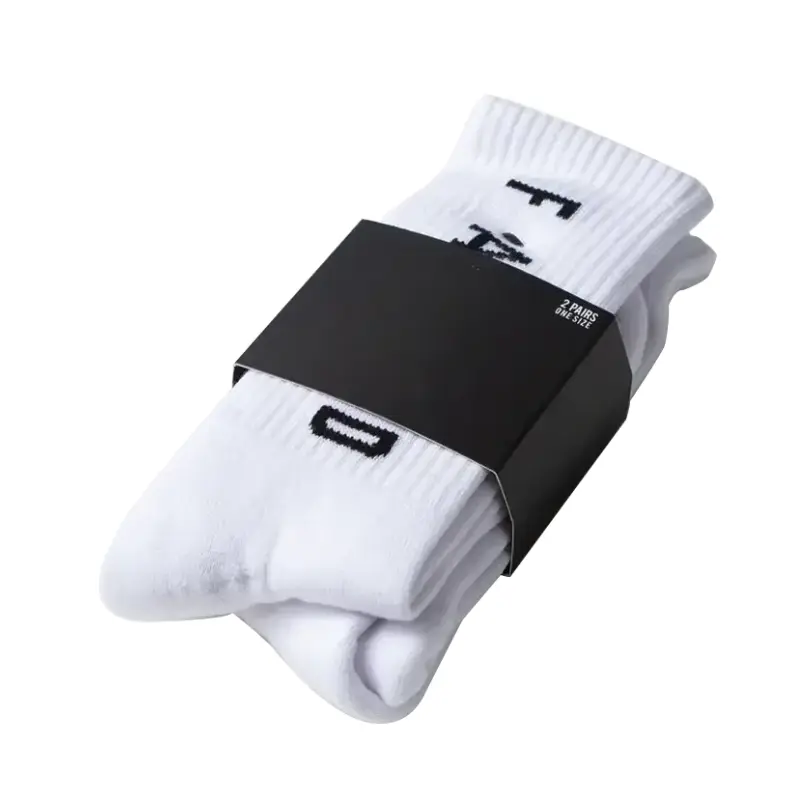
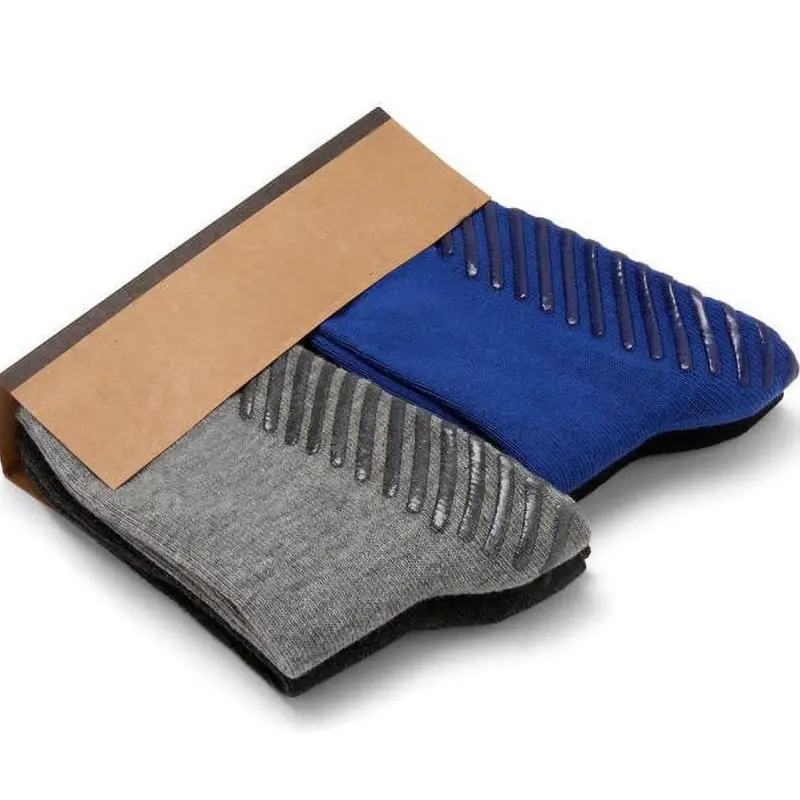
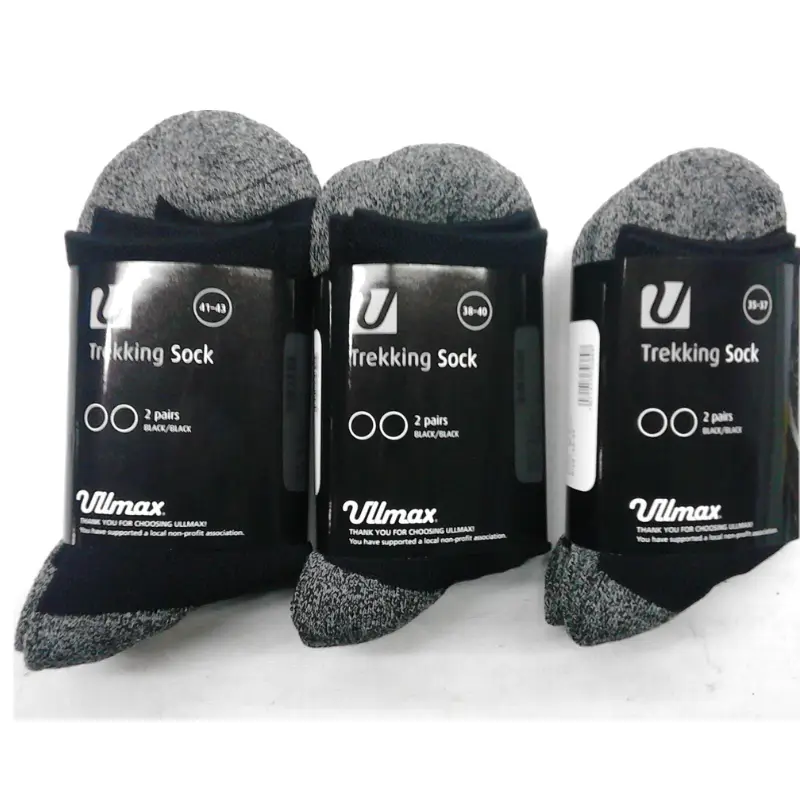
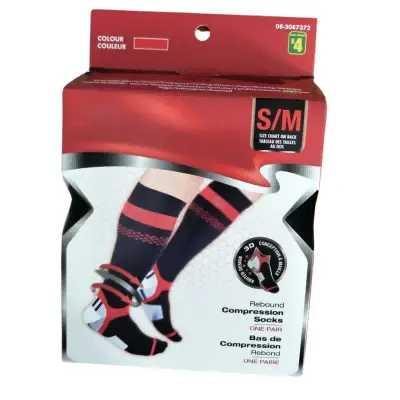
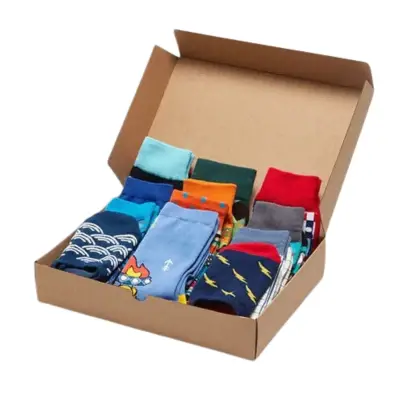
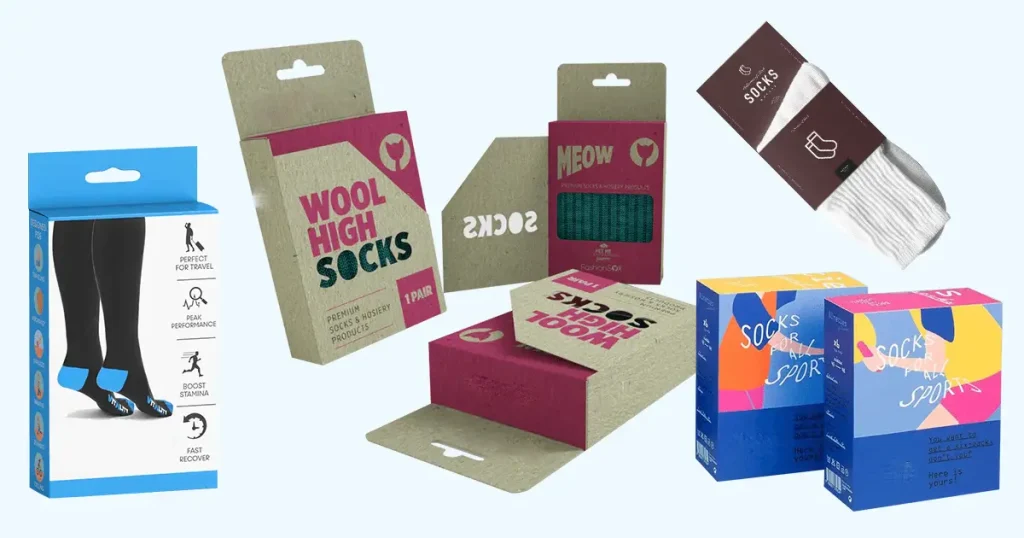
From individual retail presentation to bulk shipping solutions, we offer a comprehensive range of packaging options to meet your specific needs and enhance your brand experience.
Single Pair Packaging Options
Belly Band
Sock Sleeve
Head Card
Opp Bag
Color Bag
Zip Bag
Multi-Pair Packaging Solutions
2-Pair Pack
4-Pair Pack
3-Pair Pack
Multi-pack with Insert Card
Premium Gift Box Options
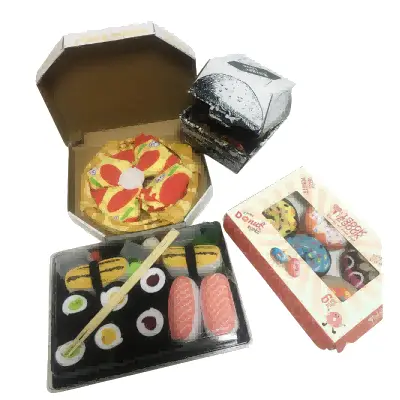
Color Box
Gift Box
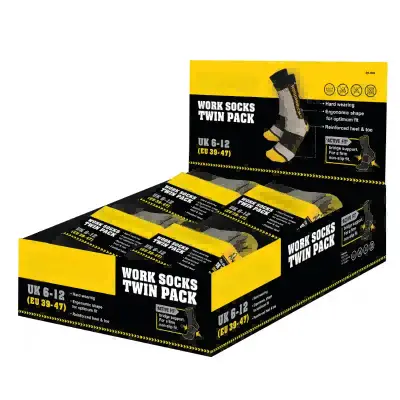
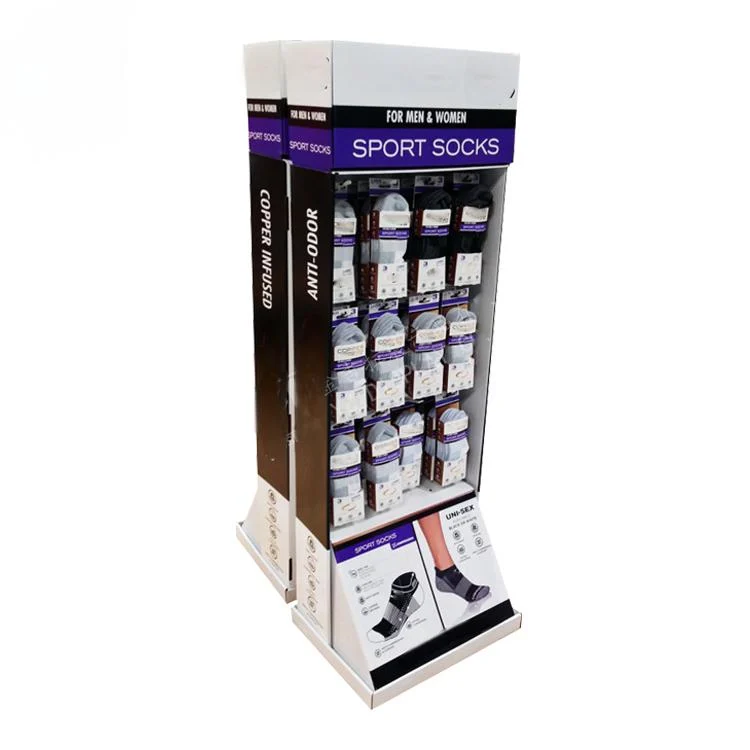
Display Box
Creative Box
Bulk Shipping Solutions
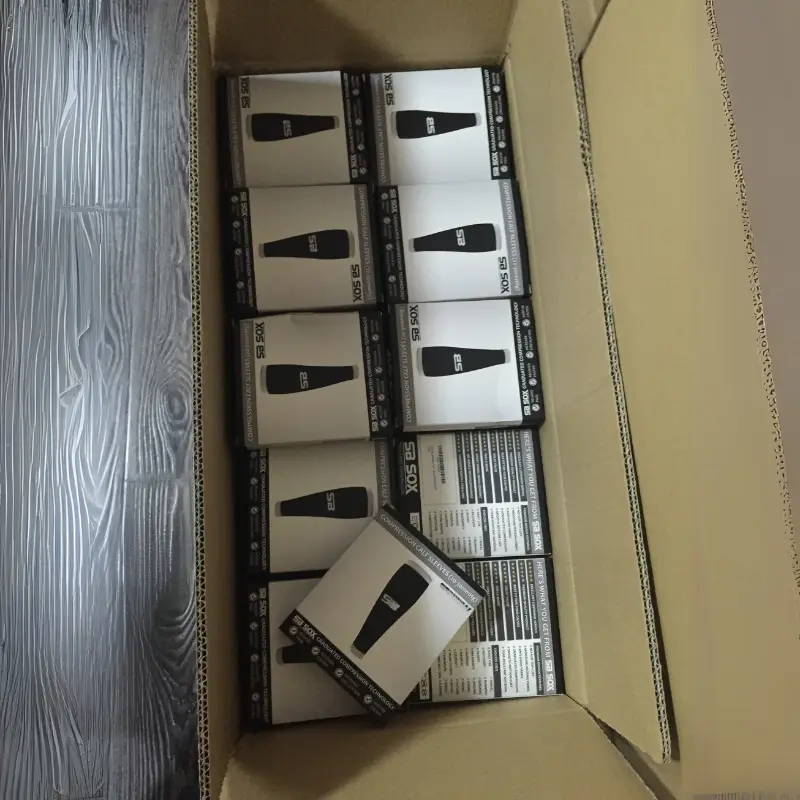
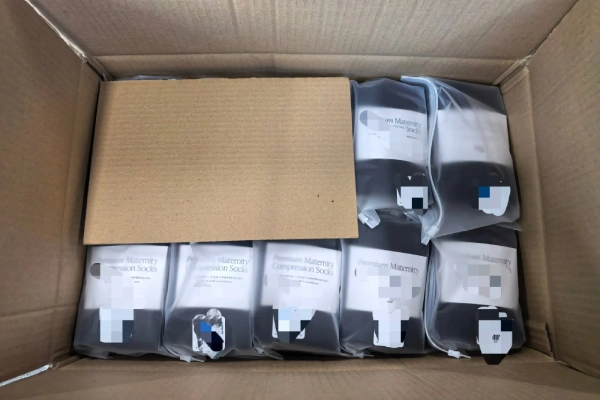
Carton Box
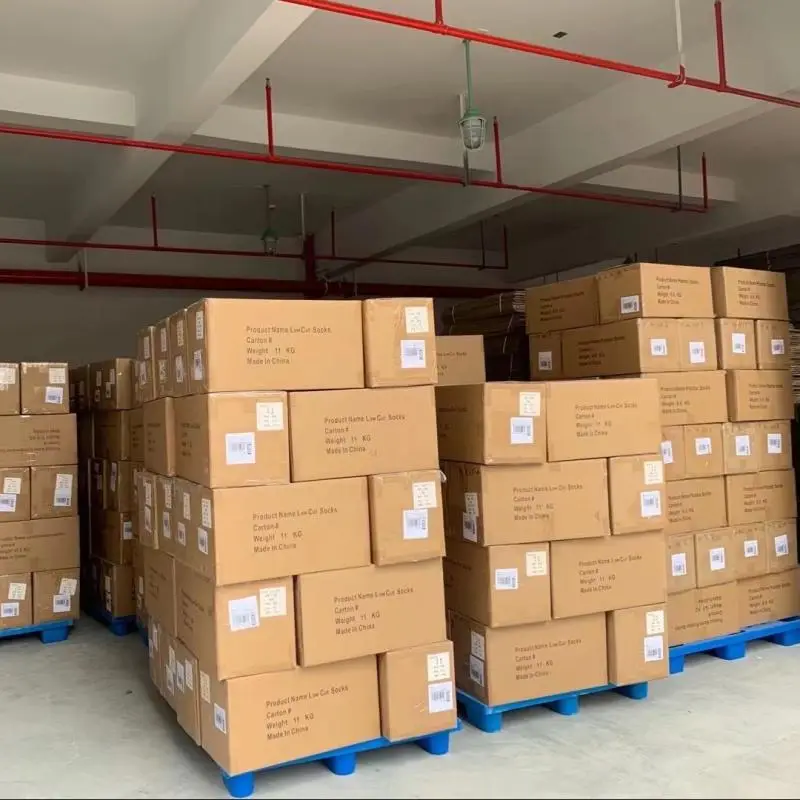
Master Carton
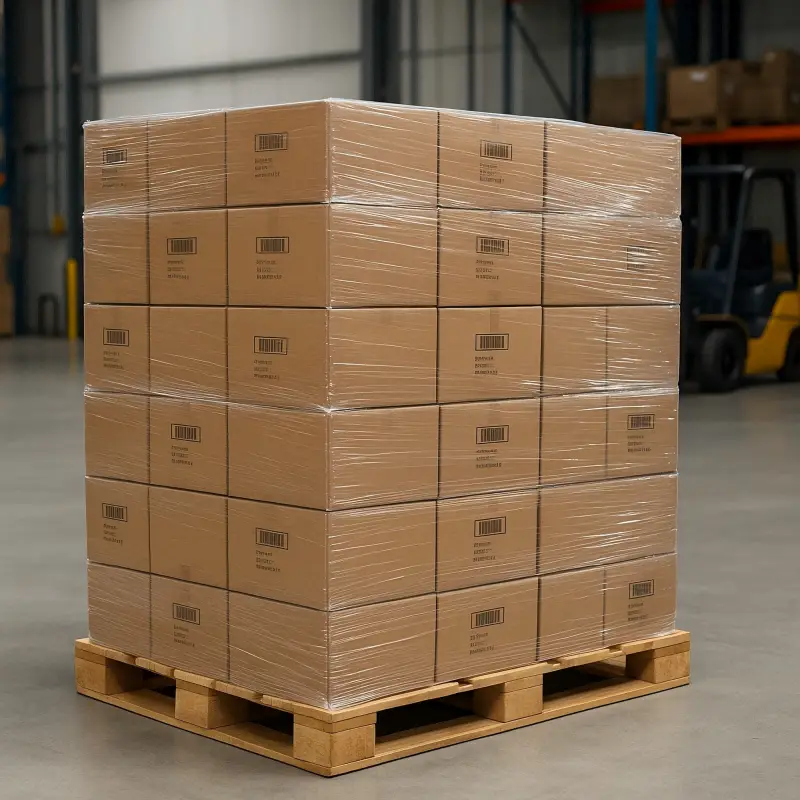
Pallet Packing
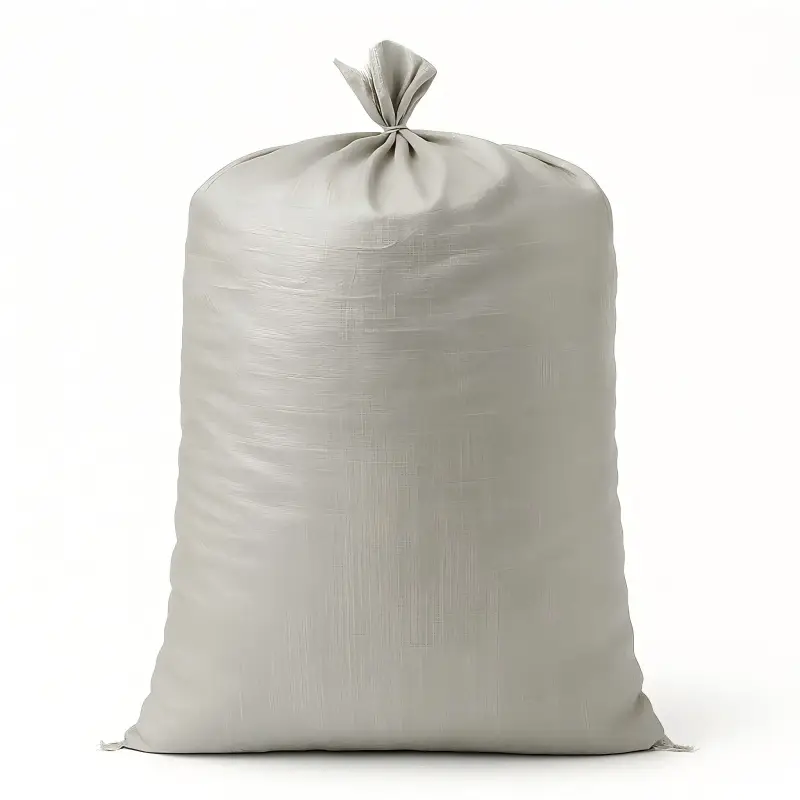
Bulk Bag Packing
Display Box
| Product | Weight / Pair (with OPP) |
Carton Size (L × W × H) |
Pairs / Carton | CBM / Carton | CBM per 1000 Pairs | 20GP (~28 CBM) |
40HQ (~68 CBM) |
|---|---|---|---|---|---|---|---|
| Trampoline Socks (Kids) | 25g | 58×39×39 cm | 600 | 0.088 | 0.15 CBM | ~190,000 pairs | ~462,000 pairs |
| Trampoline Socks (Adult) | 45g | 58×39×39 cm | 350 | 0.088 | 0.25 CBM | ~110,000 pairs | ~269,000 pairs |
| Plantar Fasciitis Socks | 40g | 58×39×39 cm | 350 | 0.088 | 0.25 CBM | ~111,000 pairs | ~270,000 pairs |
| Running / Cycling Socks | 55g | 58×39×39 cm | 250 | 0.088 | 0.35 CBM | ~79,000 pairs | ~192,000 pairs |
| Calf Sleeve (Footless) / Shin Socks (without guard) | 60g | 58×39×39 cm | 250 | 0.088 | 0.35 CBM | ~79,000 pairs | ~192,000 pairs |
| No-show Compression Socks | 65g | 45×33×45 cm | 250 | 0.067 | 0.27 CBM | ~104,000 pairs | ~254,000 pairs |
| Soccer / Pilates Grip Socks | 70g | 58×39×39 cm | 200 | 0.088 | 0.44 CBM | ~63,000 pairs | ~154,000 pairs |
| Knee-High Compression Socks | 85g | 58×39×39 cm | 150 | 0.088 | 0.59 CBM | ~47,000 pairs | ~115,000 pairs |
| Wool / Work Socks | 120g | 58×45×53 cm | 200 | 0.138 | 0.69 CBM | ~40,000 pairs | ~98,000 pairs |
| Thigh-high Soccer Grip Socks | 130g | 45×33×45 cm | 120 | 0.067 | 0.56 CBM | ~50,000 pairs | ~122,000 pairs |
Note: Figures shown are for reference only. Final packing may vary depending on yarn thickness, size range, packaging method, and customization requirements.
From Options to a Spec Sheet
Every option above becomes one line on a production specification. This is the full list of what has to be decided before we can quote — the fields you already know, and the ones we can fill in for you.
| Field | What you decide | Where it is set |
|---|---|---|
| Style & length | Crew, quarter, ankle, no-show, knee-high | Your product line page |
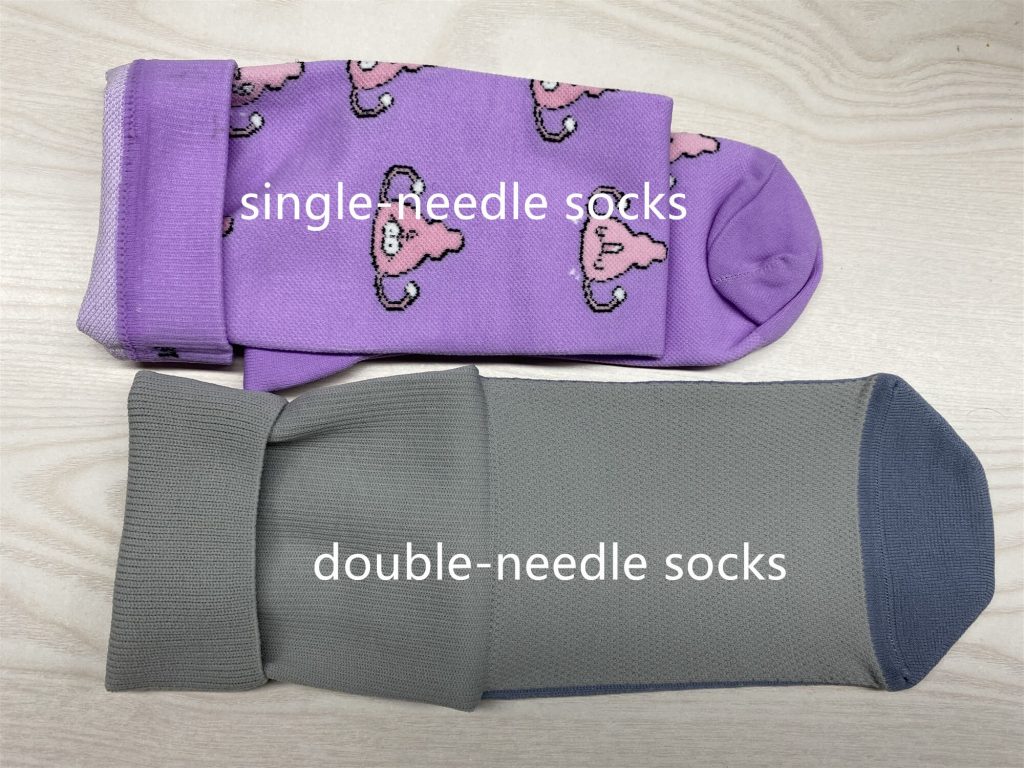
| Needle count | Coarser or finer gauge, 120N to 320N depending on the sock | Knit structures, above |
| Yarn blend | Fiber mix and percentages | Material guide, above |
| Color | A Pantone code for each yarn position — not one code for the sock | Color matching, above |
| Logo | Technique, placement, size, number of colors | Logo options, above |
| Knit zones | Cushion, mesh, arch band, toe closure, rib depth, grip | Knit structures, above |
| Size range | Your chart, your target market, or a physical reference sock | Size development, above |
| Packaging | Inner pack, outer pack, carton spec, barcode placement | Packaging, above |
| Quantity | MOQ follows the product line, not the project | Your product line page |
| Certification | Which certificate your buyer asks to see | Certification |
Send us what you have — a sketch, a competitor sock, or a finished tech pack — and we will come back with the gaps filled in.
Real brands, real production runs
From single inquiry to top US maternity brand — 100,000+ pairs annually
Won the project by shipping a material sampling kit (bamboo / polyester / cotton-nylon). Engineered soft-touch lurex for metallic stripe effect, matched Pantone Mauve Chalk & Cream, scaled from R&D to consistent mass production.
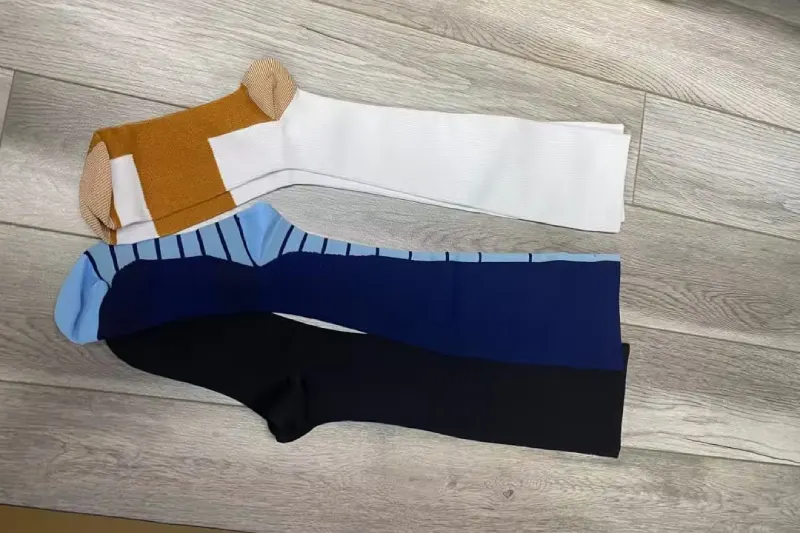
Reverse-engineered a 20–30 mmHg sock to match the original feel — and won the reorder
Client needed a new factory to reproduce the same fit and feel of their existing sock — recolored blue → black/grey, with “20-30” and size knitted on the sole. After sample approval, they bundled in matching calf compression sleeves.
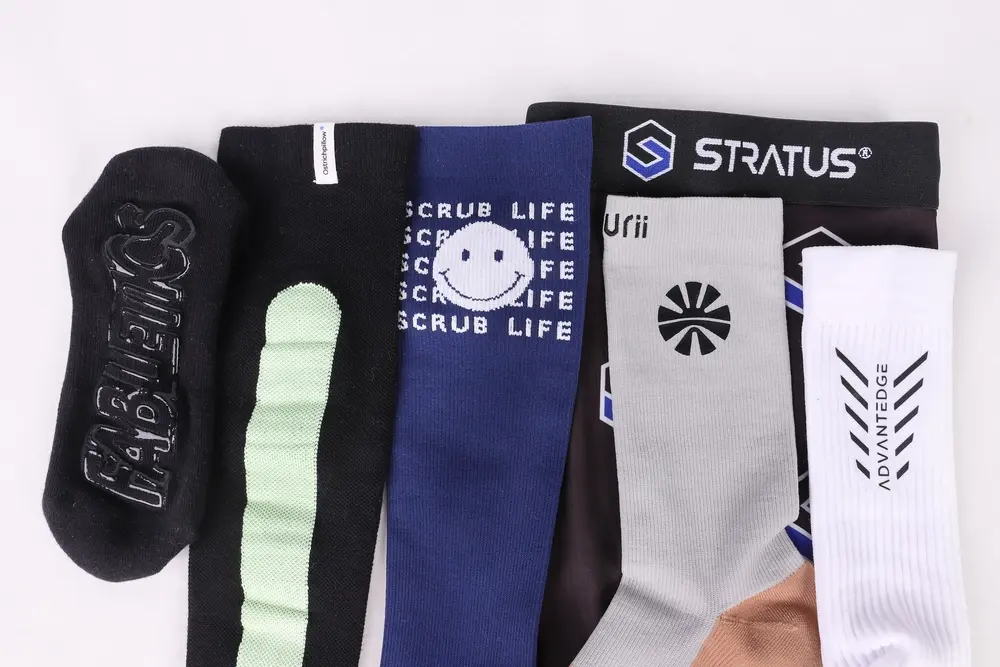
Specification Questions
The questions that come up while a specification is being built. Company, factory and delivery questions are answered on the home page.
Can you reproduce a sock we already sell?
Yes — send us a physical pair. We take it apart, count the needles, identify the yarn positions and rebuild the specification from it. This is how most moves from a previous supplier start.
What do you need from us to start?
The minimum is a sketch and a target retail price. Ideal is vector artwork (AI or EPS), a Pantone code for each yarn position, and a reference sock. If you only have a photo we can still quote — we will just be more conservative about which logo technique will hold the detail.
Can we combine more than one logo technique on one sock?
Yes. A jacquard body with an embroidered cuff mark is common. What limits it is area, not technique: a mesh vent panel or a silicone print takes away the surface a jacquard logo needs.
Do color choices change the price or the lead time?
The number of yarn colors in one knit does. Standard shades are dyed to your code by the dyehouse and confirmed on a lab dip before bulk; fluorescent and metallic yarns are sourced pre-dyed and add to the lead time. Send the code early — color is the most common cause of a re-sample.
What is the MOQ?
MOQ follows the product, not the project. Standard custom socks start at 500 pairs, one color one size. Grip, football, trampoline, work and wool lines each carry their own minimum — the figure on the product page is the one that applies to you.
Can we specify recycled or lower-impact materials?
Recycled polyester and other recycled yarns can be sourced on request, and lower-impact dye processes can be arranged through the dyehouse subject to your color and fastness requirements. Tell us the requirement and we will confirm what is achievable on your specification.
Ready to Start Your Project the Right Way?
Our experienced team guides you through every step of the process, from design to delivery, helping you avoid common pitfalls and create exceptional custom socks.
Go Deeper on the Specs
Logo technique, packaging and needle count each get a full guide below — the trade-offs, cost differences and limits that don’t fit in the tables above. Worth reading before you send us a tech pack.
Six ways to put a logo on a sock, and what each one can and cannot hold — the trade-offs behind the table above.
Retail shelf, gifting, hospital supply and e-commerce each need a different pack. What changes, and what it costs.
From 120N to 320N: how the count changes hand-feel, how fine a logo the knit can hold, and the unit price.